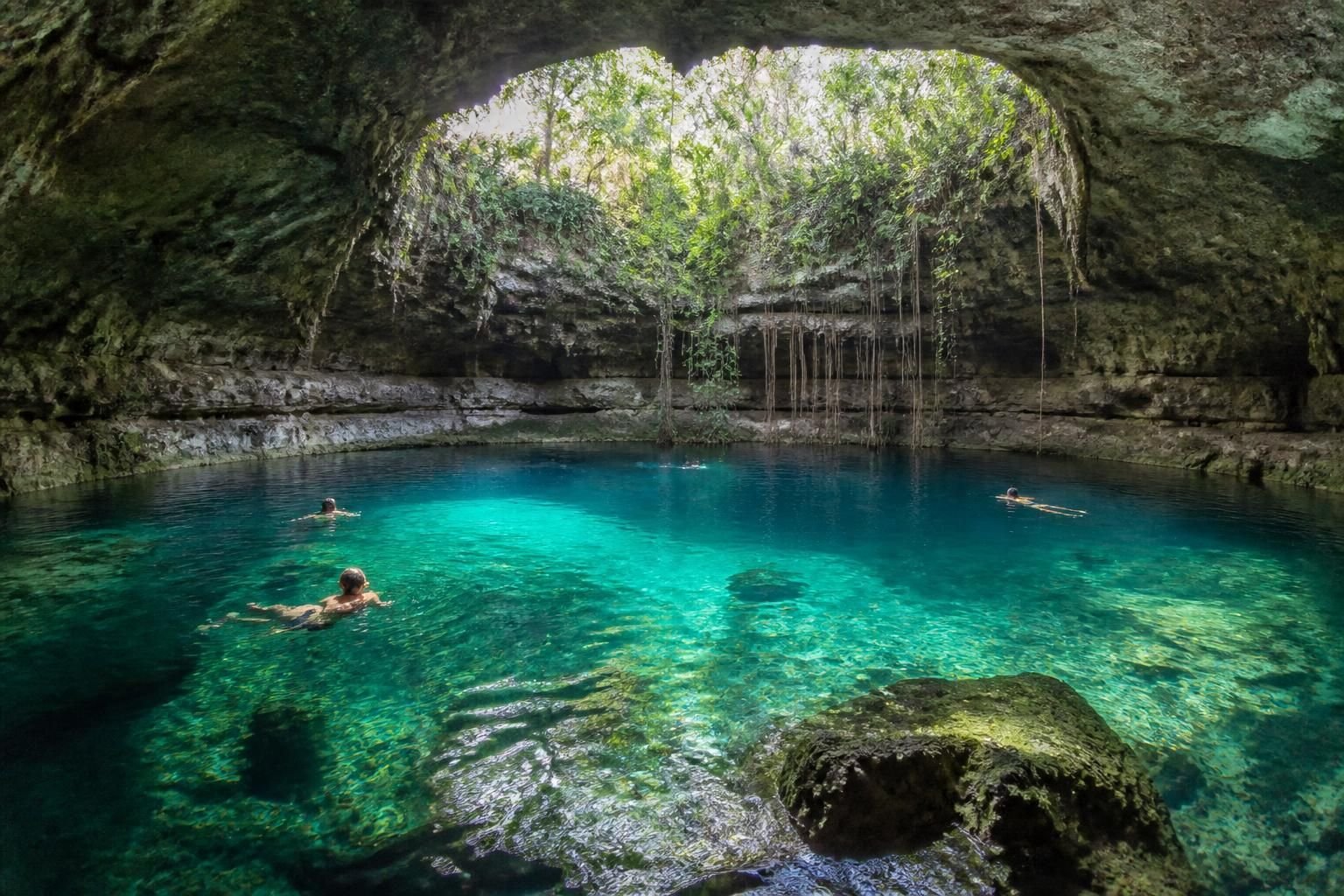

Riviera Maya’s stunning landscape is dotted with hundreds of cenotes—natural freshwater pools formed from collapsed limestone exposing underground rivers. These unique geological features provide unparalleled experiences for swimming enthusiasts, adventure seekers, and eco-tourism lovers alike. The crystal-clear waters of these natural pools invite visitors to explore underwater caves, snorkel among fascinating aquatic life, and immerse themselves in the rich cultural heritage of Mexico’s Yucatán Peninsula. This guide highlights some of the best cenotes for swimming in Riviera Maya, revealing top spots to enjoy clear water in serene settings, balancing adventure with relaxation for an unforgettable Mexico travel experience.
In brief:
- Cenotes in Riviera Maya offer a unique blend of natural beauty and swimming opportunities in crystal-clear waters.
- Visitors can explore various types of cenotes including open natural pools and dramatic underwater caves.
- Popular locations such as Cenote Suytun attract crowds, but timing your visit can ensure a peaceful experience.
- Swimming in cenotes supports eco-tourism and connects travelers to the profound Mayan history of the region.
- Accessibility varies, with some cenotes near towns like Valladolid and others nestled deep along jungle roads west of Tulum.
- Practical information including fees, safety tips, and facilities ensures visitors have a smooth and enjoyable visit.
Exploring the Natural Pools of Riviera Maya: Top Cenotes for Swimming and Snorkeling Adventures
The Riviera Maya’s cenotes present a diverse range of environments perfectly suited for swimming and snorkeling, from open-air pools to mysterious underwater caves. These natural wonders are carved over millennia by underground rivers, resulting in water that is notably clear and refreshing year-round. Each cenote offers a unique experience—whether it’s lounging in open sunlight or diving into cool subterranean waters shadowed by stalactites and formations.
Cenote Suytun, located just east of Valladolid, is renowned for its photogenic circular platform in the middle of a vast, round pool surrounded by towering stalactites and smooth limestone walls. Swimming here offers both calming serenity and the opportunity to capture stunning photos beneath the midday sun when the iconic sunbeams shine through the natural opening above. Although it tends to get crowded around noon, mornings reward visitors with tranquil waters and fewer fellow swimmers.
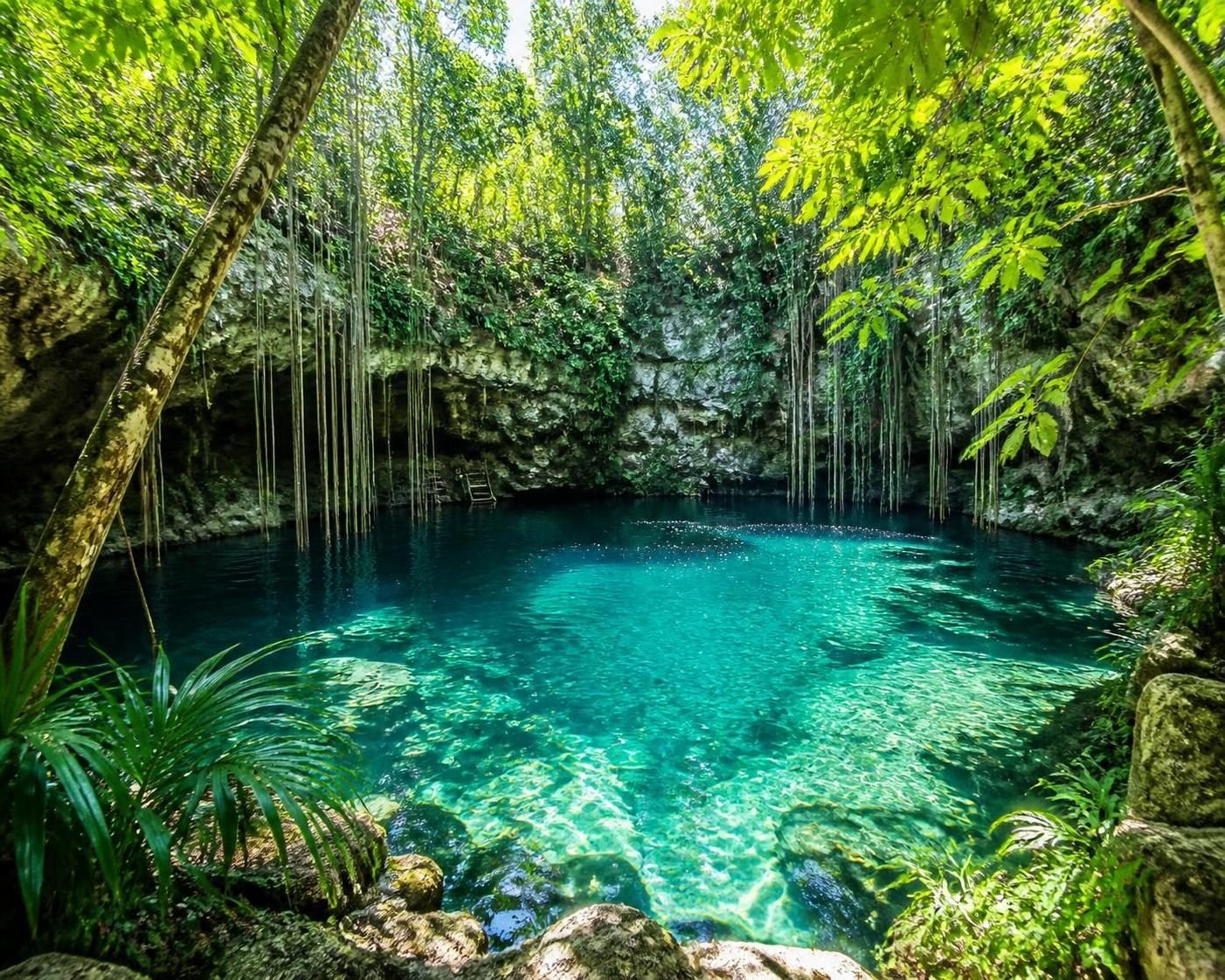
Venturing west of Tulum along the Cobá Road, numerous less-touristed cenotes offer jungle-surrounded open pools with easy access for families and swimmers of all levels. These smaller, serene spots provide pristine clear waters away from bustling crowds and integrate perfectly with eco-tourism initiatives focused on preservation and sustainable enjoyment. Snorkeling through their shallow sections reveals fascinating fish and aquatic plants indigenous to the Yucatán’s unique ecosystem, providing an added adventure to the swimming experience.
These cenotes are safe for swimming, generally equipped with life jackets, platforms, and staff to ensure visitors enjoy their natural surroundings responsibly. Remember that the cool temperatures of these freshwater pools provide welcome relief from Riviera Maya’s tropical heat, making swimming in cenotes a refreshing way to explore the area during any season. With many accessible via car or guided tours, combining multiple cenotes in one day trip has become a popular activity for Mexico travel enthusiasts.
Cenote Suytun: An Iconic Swimming Destination with a Blend of History and Luxury
Cenote Suytun stands out as one of the most popular swimming spots among the Riviera Maya cenotes, attracting visitors captivated by its picturesque beauty and cultural significance. The cenote features a paved path leading to a circular platform suspended over pristine waters, creating a surreal setting for both swimming and photography.
Entry costs for Cenote Suytun remain budget-friendly, with basic admission priced around 230-280 pesos per adult and 200 pesos per child. However, several packages offer meals and drinks, elevating the experience for those interested in dining amidst nature. Onsite amenities include a restaurant, bar, gift shop, changing rooms, and free parking, making it a convenient day trip destination for families and groups alike.
The cenote’s depth ranges from 1 to 5 meters, ideal for swimmers seeking a mix of refreshing dips and photo opportunities. Because it can accommodate up to 150 guests simultaneously, a time limit of two hours is sometimes imposed during high season to keep the experience enjoyable for everyone. Night tours featuring Mayan ceremonies and dinners offer visitors a mystical glimpse into traditional culture paired with serene midnight swims under candlelight.
Located just a short drive from Valladolid, Cenote Suytun is easily paired with a visit to the nearby colonial city or archaeological sites as part of a comprehensive day itinerary. Travelers interested in discovering more can explore best cenotes near Valladolid, extending their Riviera Maya adventure to include diverse natural and cultural attractions.
Tips for Visiting Cenote Suytun
- Arrive early, preferably before 9:00 AM, to enjoy privacy and avoid crowds.
- Plan your swim to coincide with midday for the most iconic sunbeam photography.
- Wear eco-friendly sunscreen to protect the cenote’s delicate ecosystem.
- Bring snorkeling gear to explore underwater formations and aquatic life.
- Consider booking a night tour for a unique ceremonial experience.
Riviera Maya’s Lesser-Known Cenotes: Tranquil Spots for Swimmers and Adventurers
While widely recognized cenotes like Suytun and Ik Kil draw large crowds, Riviera Maya boasts many quieter, less-developed cenotes for travelers who prefer peaceful swimming in pristine, untouched settings. These hidden gems often require a short hike down jungle paths or off-road driving, rewarding visitors with secluded pools surrounded by lush flora and abundant wildlife sounds.
Cenotes along the Cobá Road, for instance, are perfect for those looking to combine eco-tourism and adventure, with options ranging from deep cavern pools to small open-water holes inviting snorkelers and swimmers. Karst landscapes shape these cenotes with stalactites and stalagmites that create underwater caves—fascinating for exploration as well as snorkeling.
The natural pools here often have steep steps or natural rock formations providing access, demanding some physical ability but offering greater solitude and untouched ambiance. The combination of jungle immersion and swimming in clear water appeals to travelers seeking authentic Riviera Maya encounters, far from typical tourist routes.
As these spots maintain a focus on conservation, swimmers are encouraged to follow local guidelines, wear mandatory life jackets where required, and respect the natural environment by using biodegradable products. This helps preserve the cenotes’ clarity and ecosystem, supporting sustainable eco-tourism that benefits both locals and visitors.
Practical Advice for Visiting Remote Cenotes
- Use reliable navigation tools or hire local guides to access hidden cenotes safely.
- Pack essentials such as water shoes, dry bags, and biodegradable sunscreen.
- Visit early in the day to avoid heat and maximize clarity for snorkeling.
- Carry cash in pesos as many smaller cenotes do not accept cards.
- Respect rules on swimming and diving to protect fragile cave formations.
Combining Cultural Exploration and Swimming in Riviera Maya Cenotes
Riviera Maya’s cenotes not only offer refreshing swimming opportunities but also serve as portals to the region’s rich Mayan heritage. These natural pools were once sacred sites providing fresh water and hosting spiritual ceremonies for the ancient Maya civilization. Today, visiting cenotes presents the chance to connect with this history while enjoying thrilling swimming adventures.
Many tour itineraries integrate cenote visits alongside archaeological excursions like exploring the ancient ruins of Tulum or excursions to Chichen Itza, offering travelers a comprehensive glimpse into Mexico’s cultural and natural wonders. For instance, the Sacred Cenote at Chichen Itza offers a profound historical context where visitors can appreciate the cenote’s spiritual importance and cooling waters.
Accessible cenotes near cultural sites also provide excellent opportunities for relaxation and swimming after a day of exploring ruins and absorbing the local atmosphere. These dual experiences highlight Riviera Maya as a diverse destination blending adventure, eco-tourism, and cultural education.
Planning Your Day Trip: Essential Information on Cenote Access, Costs, and Safety
Visitors planning a cenote swimming day should consider practical factors including location accessibility, entrance fees, safety, and suitable visitor facilities. Cenote costs in Riviera Maya range from roughly 100 to over 600 Mexican pesos depending on the site’s size and amenities. Larger popular cenotes like Suytun often provide extra services such as restaurants, lockers, and guided tours, reflected in pricing.
The table below summarizes entry fees and key features of some top cenotes for swimming in the Riviera Maya region:
| Cenote Name | Location | Entry Fee (MXN) | Swimming Type | Facilities |
|---|---|---|---|---|
| Suytun | East of Valladolid | 230 – 280 | Cave cenote with platform | Restaurant, parking, showers, life jackets |
| Ik Kil | Near Chichen Itza | 150 – 350 | Open cenote with waterfall | Lockers, changing rooms, snack bars |
| Cenote Azul | Near Playa del Carmen | 150 | Open natural pool | Parking, restrooms, picnic area |
| Kantun-Chi | Near Playa del Carmen | 250 – 300 | Series of underground cenotes | Snorkeling equipment rental, guided tours |
| Carwash (Aktun Ha) | Near Tulum | 150 | Open cenote, shallow waters | Restrooms, parking, food stalls |
Safety measures are a priority at many larger cenotes, with staff often providing life jackets and enforcing rules to protect visitors and the environment. Water shoes can help with slippery surfaces and uneven rock formations, while biodegradable sunscreen reduces impact on delicate aquatic ecosystems.
Many travelers prefer guided tours to efficiently visit multiple cenotes while learning about their natural and cultural significance. Nonetheless, independent travelers can conveniently reach many sites by rental car or local transport.
To optimize your itinerary, consider pairing swimming adventures at cenotes with cultural day trips and historical site visits around Riviera Maya, gaining a holistic view of this multifaceted travel destination.
What is a cenote and why are they unique?
A cenote is a natural sinkhole formed when limestone collapses, revealing underground freshwater pools. They are unique because of their crystal-clear water and geological formations resulting from centuries of natural erosion.
Are cenotes safe for swimming in Riviera Maya?
Most cenotes in Riviera Maya are safe to swim in, equipped with life jackets, clear signage, and often staffed for visitor safety. However, caution is advised on slippery surfaces and in deeper underwater caves.
How can visitors best avoid crowds at popular cenotes?
Arriving early in the morning or visiting during weekdays generally ensures fewer crowds. At famous sites like Cenote Suytun, early arrival also allows peaceful swimming and better photo opportunities before tour groups arrive.
What should one bring when visiting cenotes for swimming?
Essential items include biodegradable sunscreen, water shoes, a towel, a waterproof pouch for valuables, and cash in pesos for entrance fees and amenities. Some cenotes may require life jacket rentals, so check in advance.
Can multiple cenotes be visited in one day?
Yes, many cenotes are located close to each other in regions like Cobá Road and near Tulum, allowing visitors to plan an exciting day of swimming, snorkeling, and exploring different natural pools and underwater caves.