
The Coba ruins, nestled deep within Mexico’s Yucatan Peninsula, offer an exclusive glimpse into the grandeur of the Mayan civilization through its remarkably preserved ancient architecture and expansive archaeological site. Unlike its more famous counterparts like Chichen Itza or Tulum, Coba maintains a pristine, less traversed environment where the thrill of a pyramid ascent remains intact in 2026. Visitors here can engage in a rare historical exploration by climbing the towering Nohoch Mul pyramid, one of the tallest in the region, framed by an endless horizon of lush jungle that seems to whisper stories of the past. The site’s network of stone causeways — known as sacbes or “white roads” — links the ruins like veins through the jungle, showcasing sophisticated urban planning in the ancient world. Coba remains a sanctuary for those seeking an authentic adventure, combining nature, history, and physical challenge in a uniquely immersive experience.
Brief key points for travelers and history enthusiasts:
- Climb the Nohoch Mul Pyramid: One of the few Mayan pyramids open for climbing, offering breathtaking panoramic views of the jungle canopy.
- Explore extensive sacbe networks: Over 50 sacbes connect the city’s ruins, highlighting ancient Mayan infrastructure.
- Visit nearby cenotes: Natural freshwater sinkholes such as Cenote Choo-Ha provide refreshing breaks after exploring the ruins.
- Accessible location: Coba is conveniently situated within driving distance from major tourist hubs like Tulum and Playa del Carmen.
- Less crowded environment: Compared to other sites in the Yucatan Peninsula, Coba offers a quieter and more intimate archaeological experience.
Coba Ruins: Discovering The Lost City of the Maya Through Pyramid Ascent
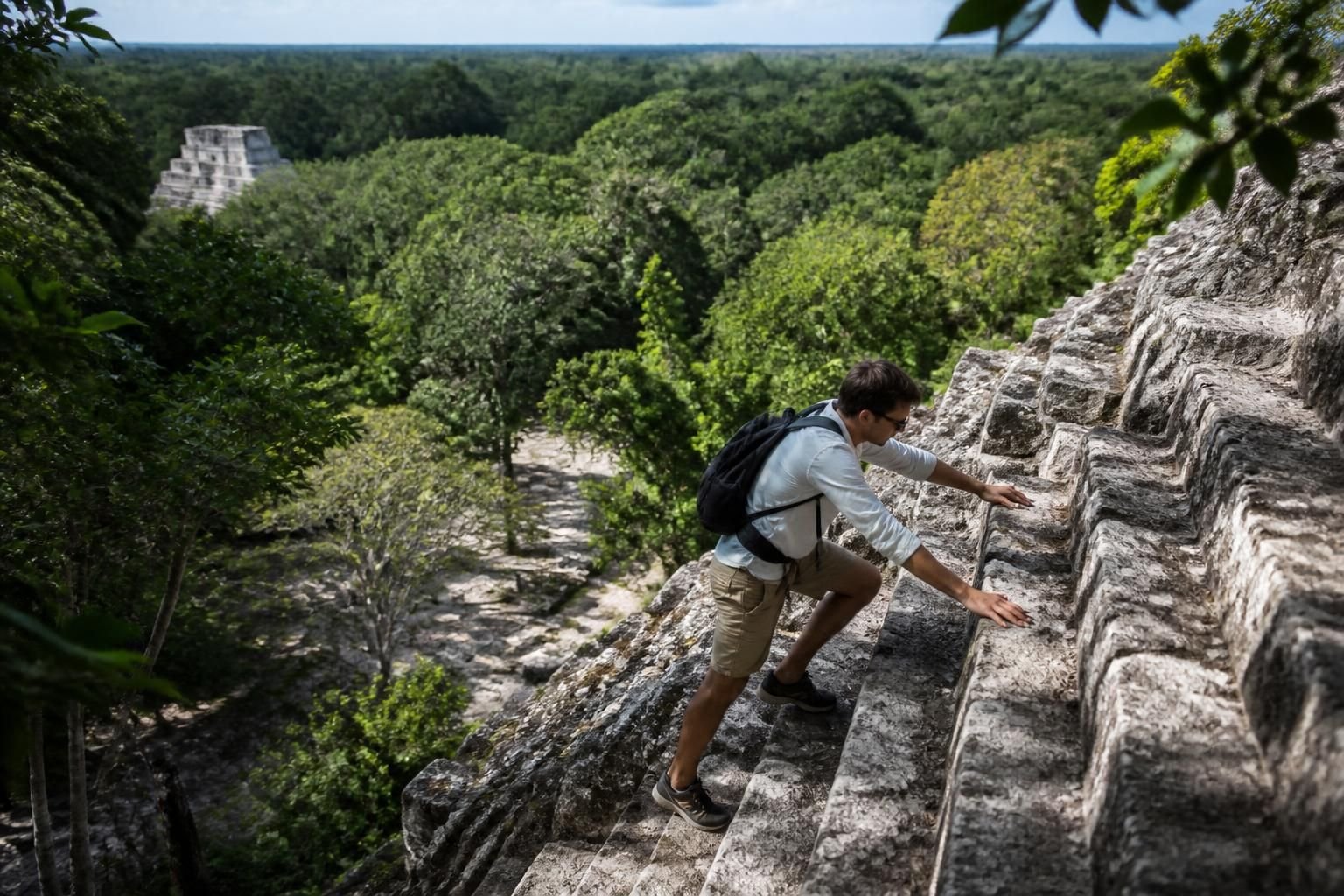
The ancient Mayan city of Coba is renowned for its extensive size and historical significance, once housing a population estimated to exceed 50,000 inhabitants. Central to this archaeological site is the Nohoch Mul pyramid, standing at an impressive 42 meters tall — a towering structure that has drawn the admiration of archaeologists and travelers alike. Climbing this pyramid is a unique adventure not commonly available at other Mayan sites due to climbing restrictions implemented elsewhere to preserve fragile ruins.
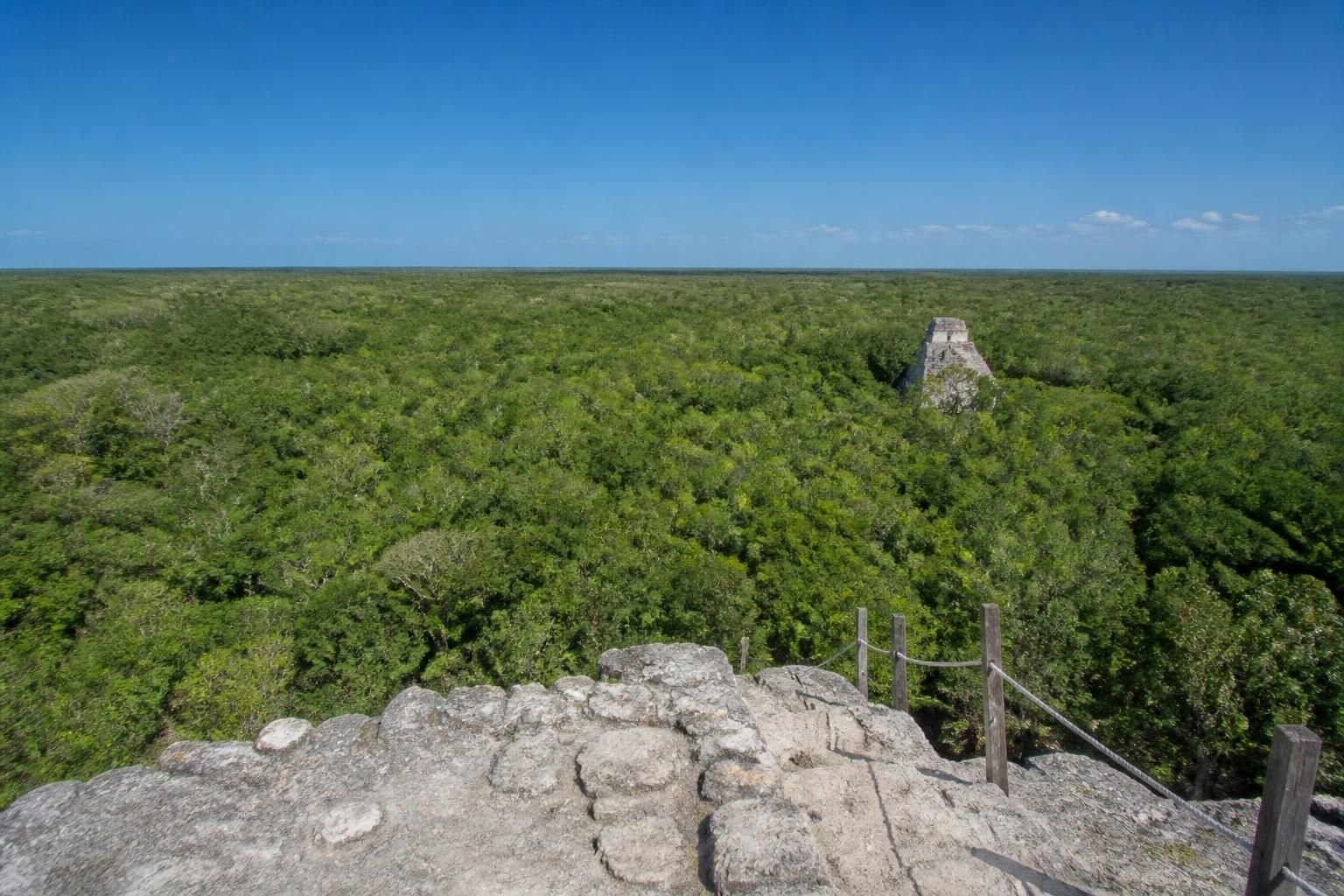
The ascent involves navigating 120 steep stone steps fitted with a sturdy rope handrail for safety, reflecting the considerable height and gradient that challenges visitors. Reaching the summit rewards adventurers with uninterrupted views of a jungle landscape sprawling endlessly beneath them, resembling a vast living green carpet. This vantage point allows visitors to appreciate how Coba’s buildings harmonized with the surrounding environment, aligned strategically along thoroughfares called sacbes, which formed a web-like network throughout the city.
These sacbes, or white roads, are raised stone causeways connecting various clusters of residential and ceremonial structures. Archaeologists have identified more than 50 sacbes at Coba, though only a portion are accessible to the public. The role of these roads extended beyond simple connectivity; they facilitated the transport of goods and ceremonial processions, embodying the sophistication of ancient urban planning practiced by the Mayan civilization.
Exploring the ruins on foot or by bicycle along these ancient pathways unfolds a layered narrative of Coba’s importance as a regional power. Its control over nearby water resources, fertile farmland, and trading routes underscores the city’s prominence in the pre-Columbian period. Visitors traversing the causeways witness how the ruins merge seamlessly into the jungle, with many structures partially shrouded by greenery, conveying the evocative atmosphere of discovery and historical exploration.
Exploring Coba’s Archaeological Site: Key Features And Practical Visitor Tips
Located approximately 45 minutes inland from Tulum, the Coba ruins stand as a remarkable testament to the ancient Mayan civilization’s architectural prowess and urban sophistication. Among the myriad attractions within the archaeological site, the Nohoch Mul pyramid offers the prized climbing pyramid experience, but the site also features ball courts, carved stelae, and various temples enveloped by the jungle.
Visitors should consider several practical aspects to maximize their historical adventure at Coba. Entry fees are modest, set at 80 MXN (roughly $4 USD), complemented by a parking fee of 50 MXN for those arriving by car. The site operates daily from 8 AM to 5 PM, with the last entries permitted around 4:30 PM, allowing roughly half a day for comprehensive exploration.
Exploration modes around Coba include walking, hiring a bici-taxi, or renting bicycles at the entrance. The latter offers an energetic and efficient way to move between distant clusters of ruins connected by the sacbes. The bicycle option especially appeals to visitors who enjoy blending physical activity with their historical pursuits.
Because the ruins lie within a humid tropical forest, carrying sufficient water is crucial to staying hydrated throughout the climb and walk. To fully appreciate the site’s historical and cultural contexts, hiring a local guide can enrich the visit, providing insights into the stelae that even portray female rulers, the ballgame courts where ancient rituals unfolded, and the indigenous fauna integrating with the archaeological landscape.
Advancing the adventure beyond Coba, the nearby cenotes—natural limestone sinkholes filled with pristine freshwater—offer refreshing respites after a day among the ruins. Cenote Choo-Ha, Tankach-Ha, and Multun-Ha are accessible within minutes of the site and provide scenic swimming spots amid stalagmites and jungle surroundings.
For those planning wider explorations of the region, combining visits to Coba with other Mayan ruins such as Chichen Itza or Ek Balam can craft a compelling itinerary. This approach offers contrasting views on the architectural styles and urban layouts of the Maya across the Yucatan Peninsula, all well-covered in various tourist guides and themed excursions.
Historical Exploration: Understanding Coba’s Role in The Mayan Civilization
The archaeology of Coba unveils a city that flourished from around 100 AD until its abandonment following Spanish colonization circa 1550. More than a mere collection of ruins, Coba was a dynamic metropolis controlling vital agricultural zones, aquatic resources, and key trade pathways, which placed it as a powerful force within the Mayan world.
The site’s numerous stelae, with intricate stone carvings, provide rare insights into its sociopolitical structure. Unique among Mayan sites, Coba’s stelae depict women in positions of authority, illustrating gender aspects of leadership often understated in ancient histories. Additionally, the presence of two well-preserved ball courts invites visitors to imagine the spiritual and competitive significance of the ancient game of ōllamaliztli, played using a heavy rubber ball and steeped in ritualistic sacrifice.
Amid the ruins, it’s visible how the jungle intertwines with the archaeological remnants—trees growing from stone walls lend a mysterious aura to the site, symbolizing nature reclaiming man-made monuments over centuries. This harmony of natural and constructed elements enhances the experience of historical exploration, fostering a deeper connection with the Maya’s enduring legacy.
Such rich history complements the adventure provided by the climb itself, offering a blend of physical challenge and intellectual curiosity. Visitors who engage with the stories behind the pyramid ascent often find it not just an adventurous feat but also a doorway into the Mayan worldview.
Logistics and Recommendations for Visiting Coba: From Transport to Accommodation
Practical planning for a visit to Coba contributes greatly to the overall enjoyment and comfort of this ancient adventure. Most travelers approach Coba from nearby tourist centers such as Tulum, Playa del Carmen, or Cancun, placing the ruins within reachable day-trip distance.
Driving remains one of the most convenient ways to access the site. Rental cars can be easily arranged through platforms like Discover Cars, offering a wide range of options suited to different budgets. The drive from Tulum requires approximately 45 minutes, Playa del Carmen around 90 minutes, and Cancun roughly 2 hours.
Public transportation options exist but require more precise scheduling. For instance, a second-class Mayab bus departs Tulum’s ADO terminal daily at 7:20 AM, taking nearly an hour to reach Coba. Alternatively, taxis provide more direct but more costly transit. These logistical choices impact the timing and experience of exploring the sprawling site.
Regarding accommodation, while Coba itself hosts limited lodging, most visitors prefer staying in nearby towns. Tulum stands out as the closest base, just a short drive from Coba, offering an array of hotels, guesthouses, and eco-resorts. Playa del Carmen and Valladolid provide alternative options boasting a richer selection of amenities and connections to other cultural excursions.
Combining a walk or bicycle tour through the ruins with visits to surrounding cenotes or nearby Mayan sites intensifies the immersion. Numerous blogs and tourist resources present detailed itineraries for those keen to explore the ancient wonders throughout the Yucatan Peninsula, allowing visitors to tailor their journey according to interests and physical capacity.
Essential Tips for An Authentic Coba Ruins Climbing Pyramid Experience
To ensure a fulfilling and comfortable journey through the Coba ruins and climb the ancient pyramid, visitors should keep in mind several essential recommendations. Starting early in the morning or late in the afternoon can help avoid peak crowds and the sweltering midday heat, maximizing comfort during the pyramid ascent and archaeological site exploration.
Wearing appropriate footwear with good grip is critical for safely navigating the steep, uneven steps of the Nohoch Mul pyramid. Hydration cannot be overstressed, particularly in the humid climate; bringing along eco-friendly reusable water bottles is advisable for sustainability and convenience.
Engaging a knowledgeable local guide transforms the visit from a simple tour into a comprehensive historical dialogue, revealing hidden tales and contextual nuances that enrich the experience. Renting a bicycle at the entrance, typically costing around 45 pesos, is both practical and invigorating, allowing guests to cover more ground across the extensive ruins.
Finally, patience and respect for the site are fundamental. The Coba ruins invite visitors to step back in time and appreciate an ancient adventure woven with natural beauty and architectural marvels. Adhering to preservation guidelines and cultural respect safeguards this treasure for future generations.
| Aspect | Details |
|---|---|
| Entry Fee | 80 MXN (~$4 USD) |
| Parking Fee | 50 MXN (~$2.50 USD) |
| Opening Hours | 8:00 AM – 5:00 PM (Last entry at 4:30 PM) |
| Distance from Tulum | 44 km (45 minutes by car) |
| Distance from Playa del Carmen | 109 km (90 minutes by car) |
| Distance from Cancun | 134 km (2 hours by car) |
| Recommended Transport | Rental car, bicycle rental onsite, biking, taxi, bus |
| Must-See Nearby Attractions | Cenote Choo-Ha, Cenote Tankach-Ha, Cenote Multun-Ha |
Is climbing the pyramid at Coba ruins safe for all ages?
Climbing the Nohoch Mul pyramid involves steep steps and requires a good level of physical fitness and caution. It may not be suitable for very young children, the elderly, or those with mobility issues, but healthy adults who take their time and use the safety ropes can generally enjoy the climb safely.
What is the best time of year to visit the Coba ruins to avoid crowds?
Visiting early in the morning or late in the afternoon during the dry season (November to April) is ideal to avoid crowds and harsh midday heat. Weekdays tend to be quieter compared to weekends and holidays.
Can visitors rent bicycles at the Coba archaeological site?
Yes, bicycle rentals are available at the entrance to the site for a reasonable fee, providing a convenient way to explore the extensive ruins and sacbe networks efficiently and enjoyably.
Are there accommodation options near the Coba ruins?
While only limited lodging options exist near the ruins themselves, the nearby town of Tulum offers a broad range of hotels, eco-resorts, and guesthouses approximately 45 minutes away, making it the preferred base for Coba visitors.
How can I combine a visit to Coba with other Mayan sites?
Many travelers combine a trip to Coba with tours of nearby archaeological sites such as Chichen Itza and Ek Balam, often available through local tour companies. Refer to comprehensive travel resources like this tourist guide for detailed itinerary options.