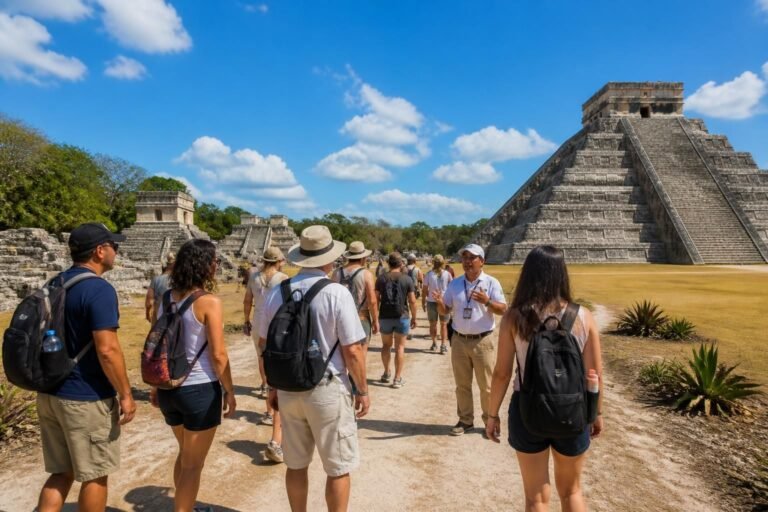

Visiting Chichen Itza offers a remarkable opportunity to immerse oneself in the rich heritage of the Mayan civilization while exploring one of Mexico’s most captivating archaeological sites. Nestled deep within the lush Yucatan jungle, Chichen Itza stands as a testament to ancient ingenuity and spiritual significance. However, the surrounding tropical environment also brings with it a unique set of challenges for travelers, not least of which is the presence of mosquitoes. Navigating the archaeological site comfortably requires strategic preparation, particularly in terms of insect protection and mosquito repellent. Understanding how to balance comfort, safety, and environmental respect is essential for any traveler looking to enjoy the site to its fullest.
The tropical safety concerns extend beyond simple comfort; mosquito bite prevention is crucial, especially considering the area’s year-round presence of mosquitoes due to its humid climate and dense vegetation. Visitors need to equip themselves with the right gear and knowledge to avoid disruptions to their experience. Travel tips tailored to Chichen Itza emphasize the importance of using effective bug spray alongside other protective measures such as suitable clothing and sun protection. Taking a proactive approach to outdoor activities at this historic site not only enhances enjoyment but also safeguards health, ensuring a memorable and worry-free adventure into Mayan culture.
Understanding the Mosquito Environment Around Chichen Itza: Why Insect Protection is Crucial
The Yucatan Peninsula’s tropical climate provides an ideal breeding ground for mosquitoes, particularly around the dense vegetation surrounding Chichen Itza. The ruins are enveloped by jungle, where humidity and shaded areas create perfect conditions for mosquito populations to thrive year-round. This environment directly impacts tourists engaging in outdoor activities, making insect protection paramount for a safe and pleasant visit.
Tourists often underestimate the persistence and density of mosquitoes in this region. Even in the dry season, pockets of moisture remain in shaded spaces and near water bodies, allowing mosquito activity to continue. As such, relying solely on casual measures can lead to frustrating bites that detract from the enjoyment of exploring the majestic pyramids and plazas.
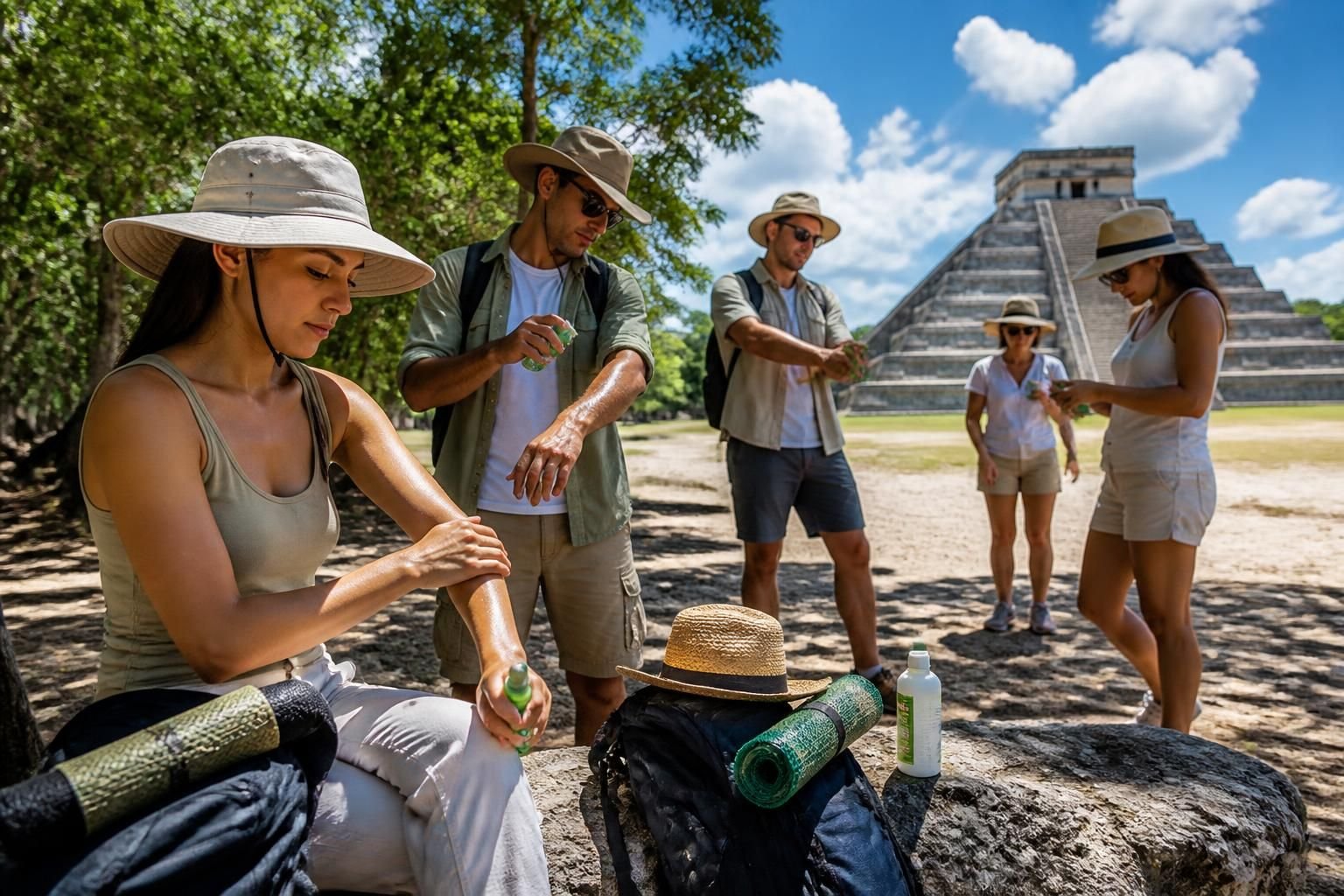
Effective mosquito repellent application is the first line of defense. It is recommended to apply the repellent thoroughly before exiting vehicles or moving into shaded areas where mosquitoes are most active. Dedicated formulas that provide long-lasting protection against a wide range of mosquitoes, including those common to tropical climates, are most effective here. Selecting repellents with DEET, picaridin, or natural alternatives like oil of lemon eucalyptus, especially those certified eco-friendly, helps balance protection and environmental consciousness.
Clothing choices also complement insect protection. Lightweight long-sleeved shirts and pants provide a physical barrier against bites, while maintaining breathability in hot temperatures. A guide on appropriate attire for Chichen Itza recommends outfits optimized for tropical safety without sacrificing comfort or respect for the cultural sites. Adding hats and sunglasses can further prevent bites in exposed areas and enhance sun protection.
Understanding these environmental aspects helps travelers prepare adequately, allowing them to enjoy their Chichen Itza excursions without the constant nuisance or health risks posed by mosquitoes. Furthermore, respecting the ecosystem by opting for biodegradable and eco-conscious mosquito repellents supports sustainability goals for ongoing preservation efforts within the Yucatan region.
Top Mosquito Repellent Recommendations and Usage Tips for Chichen Itza Visits
Choosing the right mosquito repellent and mastering its usage are pivotal to effective mosquito bite prevention during a Chichen Itza visit. With travelers often in direct sunlight and heat, the balance between comfort and protection must be carefully handled.
Among the most effective repellents are those containing DEET, which offers broad-spectrum protection and prolonged effectiveness. Products with concentrations between 20% and 30% of DEET are advised for most adults. Picaridin-based repellents serve as a potent alternative that provides similar protection with less odor and skin irritation. For those prioritizing natural options, repellents containing oil of lemon eucalyptus have gained recognition for their efficacy, although often requiring more frequent application.
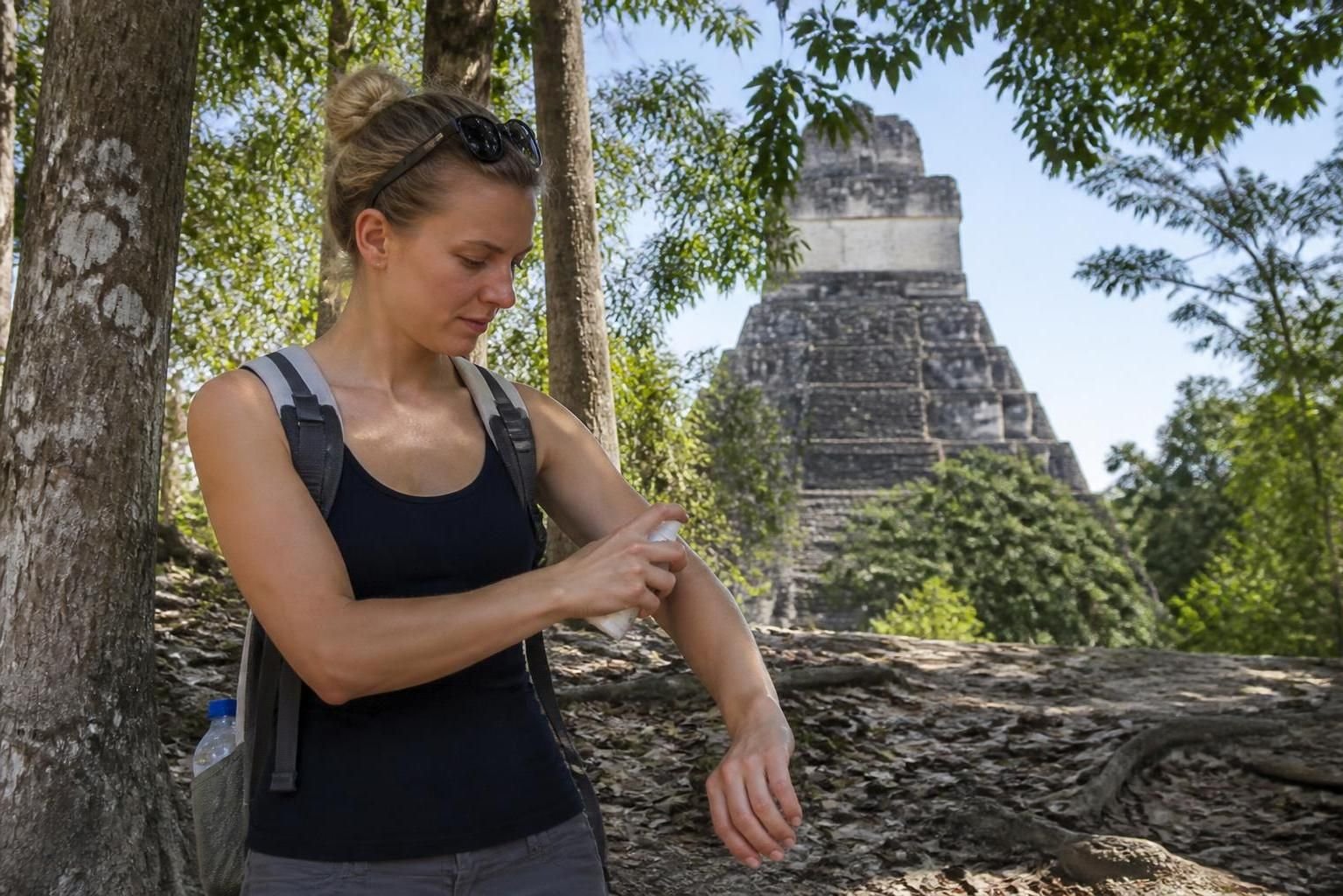
Applying mosquito repellent involves more than mere coverage. To ensure the product remains effective throughout the day, apply it evenly on all exposed skin before starting outdoor activities. Reapplication every few hours or after sweating or swimming reinforces ongoing protection, especially for those venturing beyond the main ruins into more densely vegetated or shaded areas.
Mosquito repellent can also be applied to clothing, especially on cuffs, collars, and ankles where insects often target. However, avoid direct application to the face; instead, spray repellent on hands and gently rub over the face, particularly around the eyes and mouth, taking care to avoid mucous membranes.
For families or groups, carrying compact-sized insect protection products allows on-the-go touchups during tours. Portable options such as wipes, sprays, or roll-ons cater to different preferences and scenarios.
To further support mosquito bite prevention, incorporating additional protective accessories is prudent. Wearing a wide-brimmed hat shields the neck and face from sun exposure and limits mosquito access to these areas. Lightweight but full-coverage clothing can be a strategic choice during periods of peak mosquito activity—typically dawn and dusk. Adding a rain poncho during the rainy season can protect against both weather and insects.
Awareness of the local insect environment combined with the right mosquito repellent habits significantly enhances visitor safety and comfort during Chichen Itza excursions. A detailed understanding of these travel tips ensures tourists remain prepared to enjoy the archaeological marvels without distraction.
Complementary Travel Tips to Enhance Comfort and Protection While Exploring Chichen Itza
Managing mosquito bite prevention should integrate seamlessly with broader travel safety and comfort strategies when visiting Chichen Itza. Visitors are encouraged to adopt a holistic approach, combining gear, hydration, and timing to maximize their experience.
One of the foremost concerns is dealing with Chichen Itza’s intense tropical sun. Sparse shade at the archaeological site means guests are often exposed to direct sunlight during their visits. In addition to insect protection, sunscreen application with SPF 50+ is essential to prevent sunburn and heat-related ailments. Wearing UV-blocking sunglasses and a hat can protect sensitive areas while allowing comfortable exploration.
Hydration is another crucial factor. The tropical climate can quickly dehydrate visitors, heightening fatigue and reducing focus. Drinking at least one liter of water per person during visits helps maintain energy levels. Carrying snacks such as fruits, yogurt, or sandwiches is advised to sustain blood sugar and stamina, especially for all-day tours or excursions involving cenote visits.
Visiting nearby cenotes is a popular complementary activity to Chichen Itza tours. These natural sinkholes offer refreshing swimming opportunities amid beautiful surroundings but also present additional insect challenges. Bringing a swimsuit, towel, sandals, and of course, applying mosquito repellent prior to entering surrounding shaded jungle trails enhances enjoyment without discomfort. For detailed insights on cenote visits linked to Chichen Itza, travelers can refer to recommended cenote explorations in the Riviera Maya.
Another practical feature is choosing the timing of visits strategically. Early morning tours tend to have fewer mosquitoes and cooler temperatures, promoting a more comfortable experience with less insect irritation. Midday visits require rigorous insect protection routines and sun safety measures. Tourists should consult local guidance or tour operators for optimal itineraries balancing comfort and cultural immersion.
Maintaining cash in Mexican pesos is advised to cover entrance fees, souvenirs, and food, as card facilities may be limited within park areas. Lightweight backpacks help carry essentials like mosquito repellent, water, snacks, and chargers without burden, facilitating an easy and relaxed tour experience.
Essential Packing Checklist for Mosquito Bite Prevention and Overall Chichen Itza Comfort
Travelers aiming for a seamless Chichen Itza visit should prepare their packing with a focus on both mosquito bite prevention and general comfort. The following detailed packing list highlights indispensable items:
- Comfortable walking shoes: Firm, closed shoes protect feet from rough terrain and insect contact.
- Lightweight, cool clothing: Breathable fabrics with optional long sleeves provide protection from sun and mosquitoes alike.
- Mosquito repellent: A high-quality, preferably eco-friendly spray or lotion applied diligently.
- UV-protection accessories: Hats, sunglasses, and sunscreen with SPF 50+ are vital for tropical sun safety.
- Water bottle: At least one liter per person to remain well-hydrated.
- Snacks: Portable nutrition like fruit or energy bars for sustained energy.
- Smartphone and external charger: For navigation, photos, and emergency communications.
- Rain poncho: Useful during the seasonal rains and for extra insect protection.
- Cash in Mexican pesos: For entry fees, local purchases, and tips.
- Backpack: Comfortable and spacious enough to carry all essentials without strain.
For those incorporating a cenote visit, adding a swimsuit, towel, and sandals ensures readiness for water activities while maintaining insect safety in adjoining jungle paths. It is always wiser to pack items travelers already own to avoid inflated prices at touristic spots and support sustainable travel habits.
| Item | Purpose | Notes |
|---|---|---|
| Mosquito Repellent | Prevents mosquito bites and tropical disease risk | Choose eco-friendly, long-lasting formulations |
| Comfortable shoes | Provides foot protection and comfort during long walks | Closed-toe recommended due to rough terrain |
| Lightweight clothing | Comfort and physical barrier from mosquitoes and sun | Breathable, preferably cotton or moisture-wicking fabric |
| Sunscreen SPF 50+ | Protects skin from intense UV radiation | Water-resistant types preferred during active tours |
| Water & Snacks | Maintains hydration and energy levels throughout visit | Pack light, energy-dense snacks recommended |
| Cash (Mexican Pesos) | Facilitates entry, food, and local transactions | ATMs limited at archaeological site |
Careful selection from this checklist provides a practical and comprehensive preparation framework, elevating the overall experience for visitors to Chichen Itza.
Frequently Asked Questions on Mosquito Repellent Use and Safety at Chichen Itza
Is mosquito repellent necessary year-round when visiting Chichen Itza?
Yes, due to the tropical climate and dense forest areas around Chichen Itza, mosquitoes are present throughout the year. Consistent use of mosquito repellent is always recommended to avoid bites and potential diseases.
What type of mosquito repellent is safest for the environment at Chichen Itza?
Eco-friendly repellents based on natural ingredients such as oil of lemon eucalyptus are recommended to minimize ecological impact. These repellents provide effective protection while supporting conservation efforts.
Are there specific times of day when mosquitoes are more active at Chichen Itza?
Mosquitoes are generally more active during dawn and dusk. Planning visits during mid-morning to early afternoon can reduce exposure, though protection is advised at all times.
Can mosquito bites at Chichen Itza lead to serious health problems?
While most mosquito bites result in mild irritation, some species in the Yucatan may carry diseases such as dengue or chikungunya. Proper mosquito bite prevention significantly reduces any health risks.
Is it safe to use mosquito repellent on children during Chichen Itza tours?
Yes, but parents should use repellents formulated for children or those recommended by health experts. Avoid applying repellent on infants under two months old and follow age-specific instructions carefully.