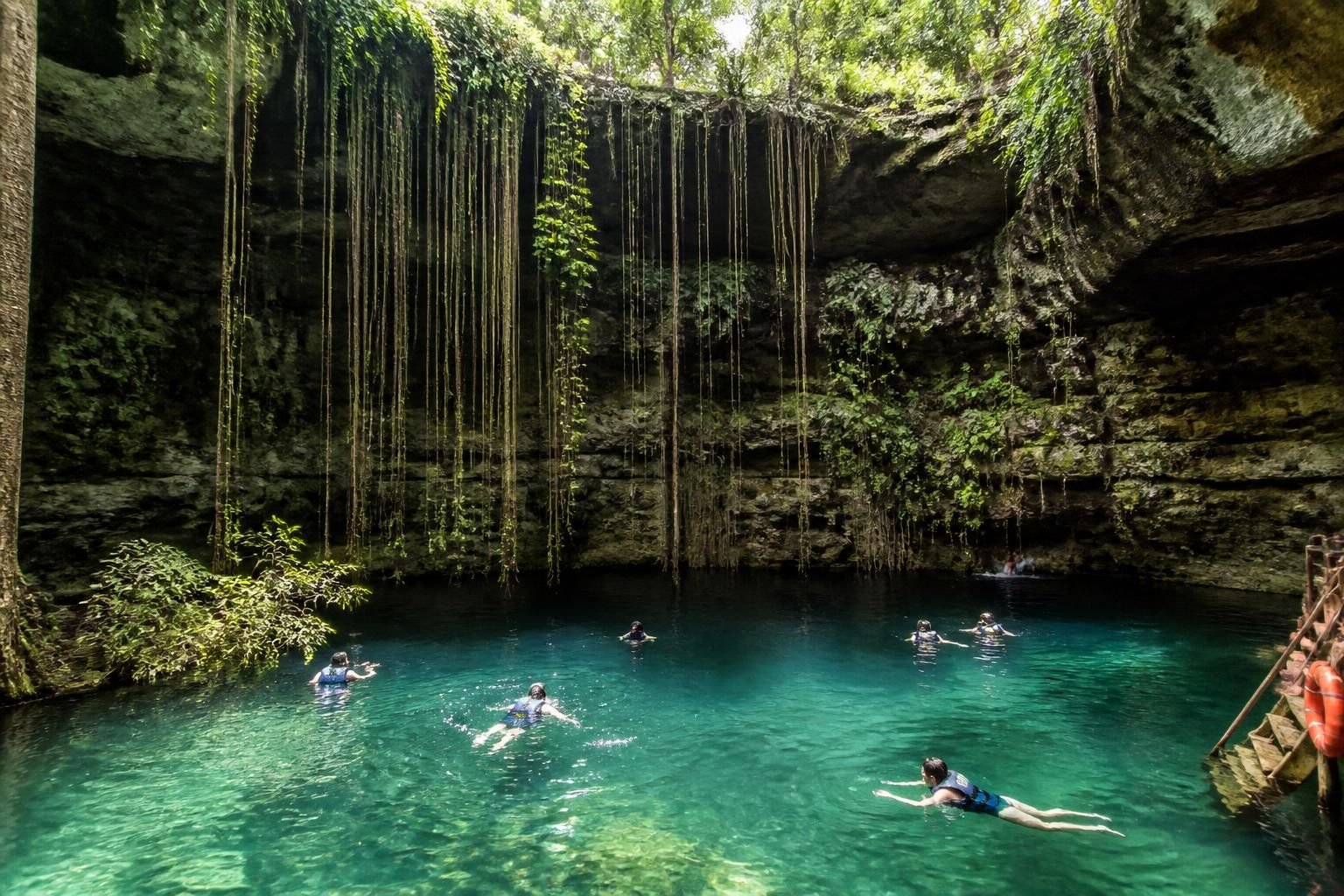

The Riviera Maya, famed for its pristine beaches and luxurious all-inclusive resorts, offers more than just sun and sand. Nestled inland and along the stunning Mexican Caribbean coastline are the region’s most enchanting natural pools, known as cenotes. These unique freshwater sinkholes, formed by the collapse of limestone bedrock, unveil mesmerizing underground caves and crystal-clear swimming spots, inviting visitors to explore a world rich in natural beauty and cultural heritage.
From the well-trodden paths near Playa del Carmen to the hidden gems surrounding Tulum, the Riviera Maya’s top 10 cenotes provide a diverse selection of adventures suitable for swimmers, snorkelers, and divers alike. Each cenote tells a story, often intertwined with Mayan history and mythology, making them invaluable for both outdoor enthusiasts and cultural explorers. With many cenotes conveniently situated along the Carretera Federal Route 307, accessing these freshwater havens is a seamless addition to any Riviera Maya itinerary.
Key highlights of Riviera Maya’s top 10 cenotes:
- Discover a spectrum of cenote types, from open swimming holes to intricate underground cave systems.
- Explore the mystical significance of these natural wonders, embedded in Mayan tradition.
- Plan visits strategically to avoid crowds, especially on weekends, for a serene experience in nature.
- Prepare for your excursion with eco-friendly essentials including sunscreen and snorkeling gear to preserve the ecosystem.
- Take advantage of guided tours available near popular cenotes such as Dos Ojos and Gran Cenote.
Exploring the Diverse Types of Cenotes in the Riviera Maya: From Open Pools to Underground Marvels
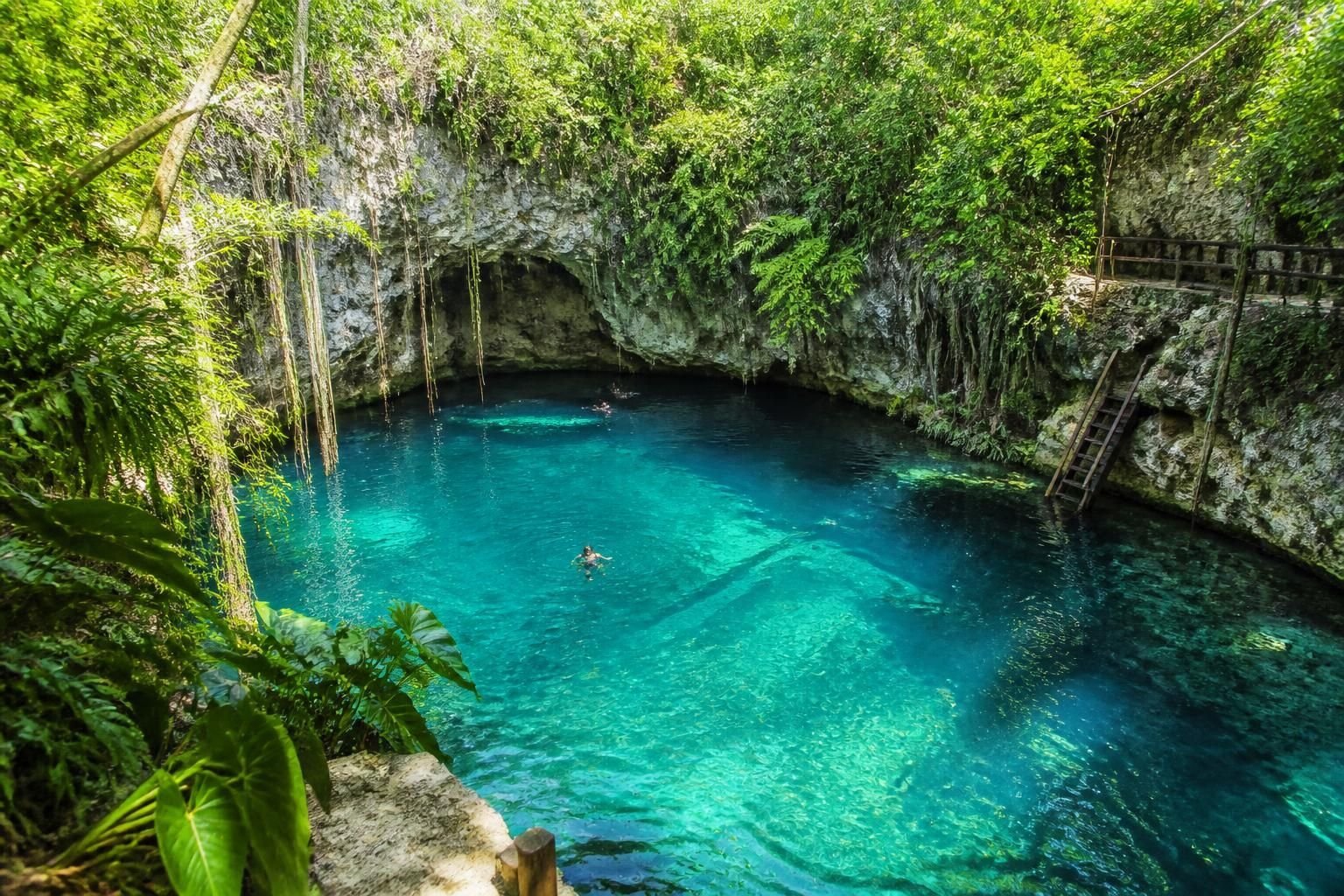
The cenotes of the Riviera Maya showcase an impressive variety of natural forms shaped over millennia. They can be broadly categorized into open cenotes, where sunlight bathes the water’s surface, and cavernous or semi-open cenotes, revealing breathtaking underground chambers studded with stalactites and stalagmites. Some, like Cenote Cristalino and Cenote Azul, are expansive open ecologies providing abundant sunlight and lush surroundings, making them perfect for families and casual swimmers.
Conversely, cenotes such as Dos Ojos and Taak Bi-Ha offer enthralling experiences for advanced snorkelers and divers, with their vast networks of underwater caves stretching for kilometers. Dos Ojos, famously known as the ‘Two Eyes’, features two large sinkholes connected beneath the surface by a complex freshwater cave system, engaging both scientific exploration and adventurous swimming. These underground marvels are part of the world’s largest subterranean freshwater network, lending an aura of mystery and exclusivity to the Riviera Maya’s natural pools.
Accessibility and activities also vary widely. Open cenotes typically offer easy swimming and jumping platforms, while the cave cenotes often require guided tours for safety and ecological protection. This diversity allows visitors to select experiences tailored to their preferences and skill levels, fostering a deeper appreciation for this natural phenomenon.
The Unique Cultural Significance of Riviera Maya Cenotes and Their Role in Mayan Heritage
Cenotes are more than just picturesque swimming spots; they hold profound cultural importance in the Mayan civilization. Traditionally, these natural pools were considered sacred gateways to the underworld, a belief that inspired rituals and offerings to the gods. Locations such as the Sacred Cenote near Chichen Itza have been archeological treasure troves, providing insight into Mayan spiritual practices and ancient ceremonies.
Many Riviera Maya cenotes still retain an atmosphere of reverence. Their serene ambiance, coupled with their geological formations, imbues them with a mystical allure that resonates with the stories shared by local guides and historians. For tourists, understanding this context enriches the exploration, transforming a mere swim into a cultural pilgrimage.
Visiting cenotes responsibly includes respecting this heritage by adhering to guidelines that prevent damage to the natural and spiritual environment. Moreover, several guided tours integrate educational components on the sacredness of these sites, offering a comprehensive understanding of how cenotes shaped ancient and modern perceptions of life, death, and nature.
For those eager to delve deeper, further reading on the topic, such as on exploring the significance of sacred cenotes in Mayan culture, provides detailed explanations and fascinating historical anecdotes.
Top Riviera Maya Cenotes for Swimming, Snorkeling, and Diving Adventures
Among the many cenotes scattered around the Riviera Maya, several stand out for their accessibility, natural beauty, and versatility for aquatic activities. Here is a refined list featuring some of the best options for travelers intending to explore these natural pools:
- Cenote Chikin-Ha: A trio of cenotes offering varied swimming environments from open clear waters to shallow symbolic spaces.
- Cenote Cristalino: Known for its crystal-clear waters and excellent snorkeling with natural jump spots.
- Cenote Azul: This sprawling open cenote features a natural stone pathway and multiple swimming areas framed by lush foliage.
- Cenote Dos Ojos: Ideal for certified divers and snorkelers interested in exploring intricate underwater cave systems.
- Cenote Taak Bi-Ha: A visually stunning cave cenote boasting dramatic stalactites, perfect for underwater photography.
- Cenote Eden: Known locally as Jardin del Eden, a tranquil pool surrounded by rainforest known for snorkeling adventures.
- Cenote Casa Cenote: Combining cenote mystique with proximity to the sea, it offers unique mangrove surroundings and opportunities to spot marine wildlife.
Planning visits with an awareness of opening hours and optimal timings can ensure avoiding large crowds and enhancing the quality of your experience. Each cenote’s entrance fee varies, often ranging between 100 MXN to 500 MXN, reflecting the accessibility and amenities offered. Rentals for snorkeling or diving gear are typically available on-site, facilitating a hassle-free day of adventure.
Swimming and Snorkeling Essentials at Cenotes
For those eager to dive into the fresh waters, certain preparations can vastly improve comfort and environmental impact. Visitors should bring a swimsuit, towel, and eco-friendly sunscreen to protect both skin and the delicate cenote ecosystem. Mosquito repellent applied only after swimming is recommended due to the surrounding wildlife habitats. Snorkeling masks and fins provide enhanced underwater visibility and quicker movement to explore the underwater caves or aquatic life.
Understanding water safety is paramount, particularly while exploring underground caves or deeper parts of cenotes. Official guidance on water-related precautions is accessible through resources like essential water safety tips for tourists visiting Mexico, ensuring a safe and enjoyable exploration of these magnificent natural pools.
How to Plan Your Trips to Riviera Maya Cenotes: Transportation, Timing, and Tour Options
Accessing the top cenotes in the Riviera Maya is facilitated by their strategic positioning along the Carretera Federal Route 307, connecting major towns like Playa del Carmen, Tulum, and beyond. This artery makes cenote exploration feasible as half-day or full-day excursions from most coastal hubs.
Transportation options include renting a car, using local taxis, or relying on ride-hailing services. Each travel choice has advantages in flexibility and cost, with further distinctions detailed in guides discussing taxi vs Uber in Playa del Carmen. Being informed allows travelers to maximize time at the natural pools by minimizing transit delays.
Many tourists opt for organized cenote tours that bundle visits to multiple cenotes with additional activities such as snorkeling, zip-lining, or rappelling. These guided experiences frequently include transportation, park entrance fees, and equipment rental, making them particularly attractive for visitors seeking convenience and safety.
Timing plays a critical role in the quality of visitation; early morning departures are advisable to benefit from tranquil waters and fewer crowds, especially on weekends or holiday periods. Awareness of cenote opening hours, typically between 8:00 AM and 5:00 PM, is essential for planning seamless excursions.
| Cenote Name | Entry Fee (MXN) | Opening Hours | Primary Activity |
|---|---|---|---|
| Cenote Chikin-Ha | 350 | 8:30 AM – 5 PM | Swimming, Photography |
| Cenote Cristalino | 200 | 8 AM – 6 PM | Swimming, Snorkeling |
| Cenote Azul | 100 | 8:30 AM – 5 PM | Swimming, Jumping |
| Cenote Dos Ojos | 350 | 8 AM – 5 PM | Diving, Snorkeling |
| Cenote Taak Bi-Ha | 500 | 9 AM – 5 PM | Diving, Photography |
| Cenote Eden | 200 | 9 AM – 5 PM | Swimming, Snorkeling |
| Cenote Casa Cenote | 500 | 9 AM – 5 PM | Swimming, Wildlife Viewing |
Respecting the Environment and Ensuring Safety While Enjoying Riviera Maya Cenotes
Preserving the natural integrity of the Riviera Maya’s cenotes is essential to maintaining their allure and ecological function. Visitors are encouraged to follow eco-friendly practices, including using non-toxic sunscreen and cleaning up all waste before leaving. The fragile limestone formations, stalactites, and stalagmites should never be touched or fragmented, as these took thousands of years to form and are vital to the cenotes’ ecosystem.
Animal inhabitants such as turtles, small fish, and bats depend on this pristine environment, making respectful behavior a must. Swimming techniques should be gentle to avoid disturbing sediments that could murk the waters.
In terms of safety, paying attention to signage, abiding by designated swimming and diving areas, and engaging professional guides when exploring underwater cave systems cannot be overemphasized. Travelers seeking a comprehensive safety briefing can review detailed water safety measures at a complete guide to swimming in cenotes in Mexico, ensuring confidence and security during their adventures.
What exactly is a cenote and why are they unique to the Yucatán Peninsula?
A cenote is a natural sinkhole formed by the collapse of limestone bedrock, revealing groundwater underneath. Unique to the Yucatán Peninsula, these formations are part of a vast underground freshwater system, acting as vital water sources historically and culturally for Mayan civilization.
Are there any safety precautions I should follow when swimming or diving in cenotes?
Yes, it is essential to wear eco-friendly sunscreen to protect the ecosystem, avoid touching rock formations, and follow local guidelines. When diving in complex underwater caves, only experienced divers with certification and guides should attempt exploration.
Which cenotes are best suited for family visits and beginner swimmers?
Open cenotes such as Cenote Azul and Cenote Eden are ideal for families and beginners due to their shallow areas, clear visibility, and easy access. They provide safe environments for swimming, snorkeling, and enjoying nature.
How early should I arrive at popular cenotes to beat the crowds?
The best strategy is to arrive right at or shortly after opening, usually around 8 AM, especially on weekdays. Early visits offer smaller crowds, calmer waters, and more enjoyable photography opportunities.
Can I visit multiple cenotes in one day?
Absolutely. Many visitors opt for guided tours that cover several cenotes, optimizing transport and entry arrangements. DIY trips are also feasible using the Carretera Federal Route 307, but planning for travel time and cenote hours is necessary.