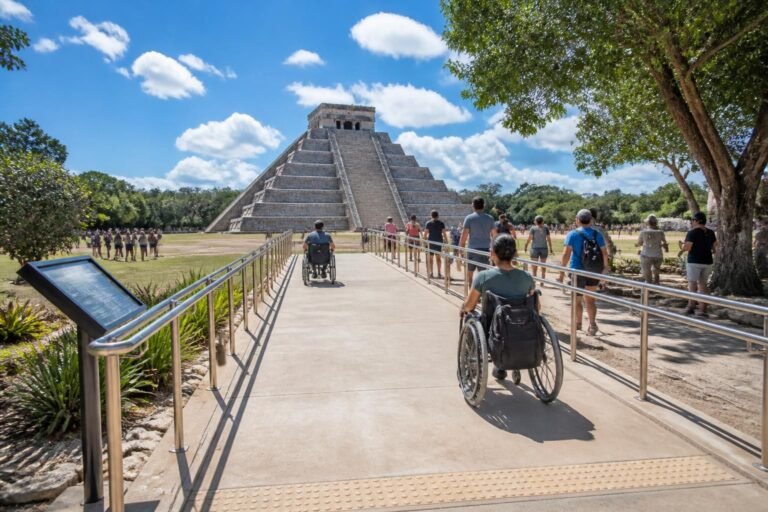
Traveling to Mexico offers vibrant culture, stunning landscapes, and ancient archaeological wonders, but ensuring health and safety while exploring is essential. Understanding Mexico travel nuances—such as regional risk levels, food and water safety, and health precautions—can significantly enhance any traveler’s experience. Adopting practical preventive measures reduces exposure to common health threats and travel safety risks, paving the way for a smoother journey across this diverse country.
Before embarking on a Mexican adventure, visitors should grasp how regional safety varies, discern trustworthy transportation options, and prioritize protective gear and travel insurance. Equally important, knowledge of vaccinations, personal hygiene practices, mosquito prevention, and emergency contacts supports both wellbeing and quick response in unexpected situations. These health tips ensure that the rich experiences—from exploring the Mayan ruins of Chichen Itza to enjoying the lively streets of Playa del Carmen—come with peace of mind and physical resilience.
Key Points for Safe Traveling and Health in Mexico:
- Assess safety advisories by region and choose accommodations in secure neighborhoods.
- Prioritize drinking safe water and maintaining food hygiene to prevent illness.
- Obtain recommended vaccinations and carry travel insurance for medical emergencies.
- Use mosquito repellents and sun protection to mitigate insect-borne diseases and UV exposure.
- Carry emergency contact information and understand how to access health services locally.
Understanding Regional Safety and Choosing Secure Accommodations in Mexico
Mexico’s safety landscape is complex and varies considerably across different regions. In 2026, travelers will find that some states experience heightened safety concerns due to organized crime and periodic unrest, which can pose genuine risks. Popular tourist destinations like Mexico City, Quintana Roo, and Baja California Sur are typically categorized under moderate risk advisories. Travelers should remain cautious, especially at night or in less frequented areas, but these locations often have robust security measures in place to protect visitors.
It is crucial to conduct thorough research on state-specific advisories before finalizing travel plans. For example, northern and western states such as Colima, Guerrero, Michoacán, Sinaloa, and Tamaulipas frequently see recommendations against nonessential travel due to safety concerns. Nevertheless, within these states, safe zones and tourist areas often exist, so understanding local dynamics is key.
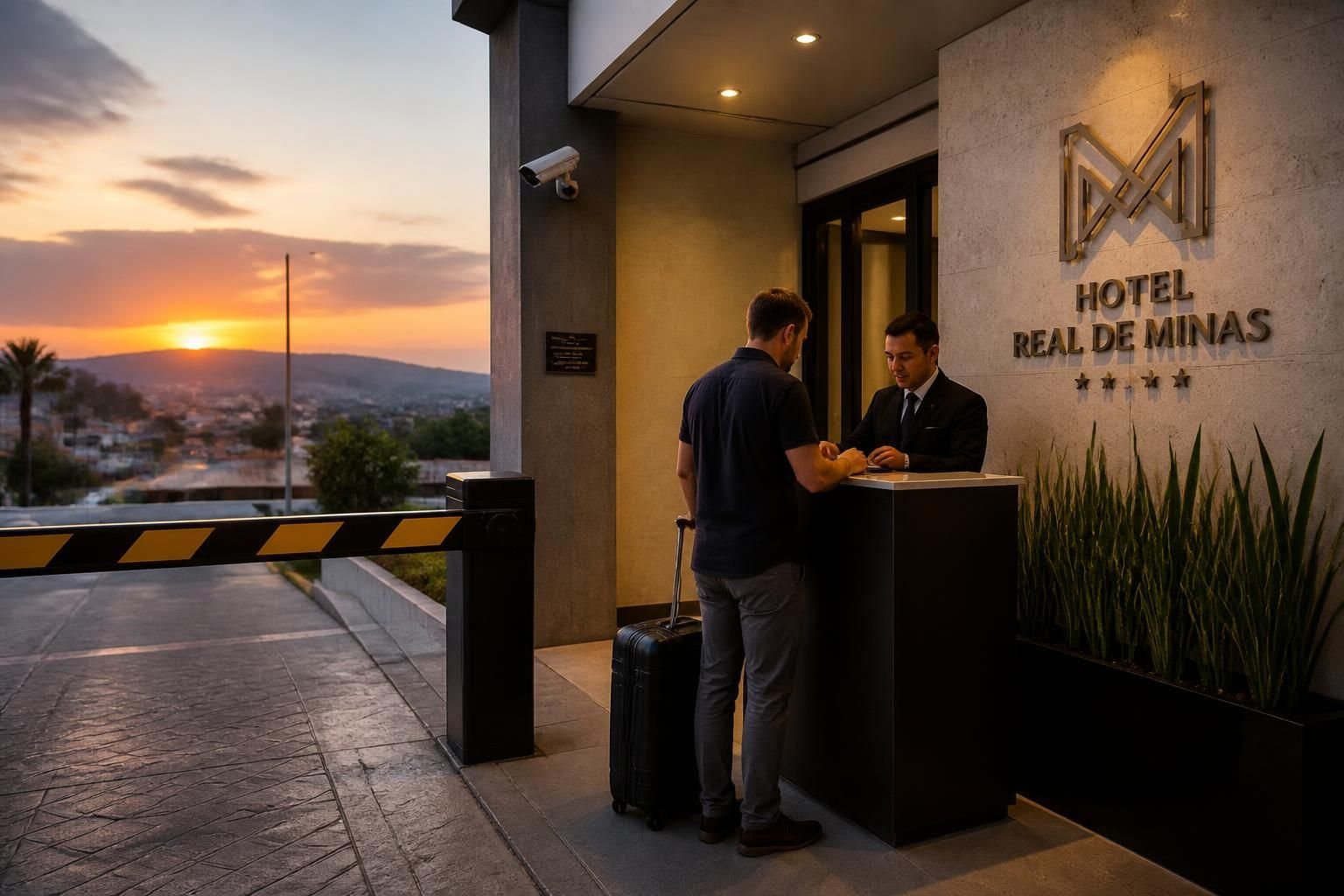
Choosing accommodations within well-reviewed, secure neighborhoods provides an additional safety net. Hotels and resorts with controlled access, security personnel, and guest screening add another layer of protection. Such properties often coordinate trusted taxi or shuttle services, beneficial for avoiding unreliable street cabs. Vacation rentals are viable but should be vetted with care, prioritizing verified hosts and properties featuring secure entry systems.
For those interested in exploring Mayan culture, staying near historic sites such as Chichen Itza requires an understanding of nearby risks and amenities. Exploring tours and accommodations is easier with guidance from trusted resources like specialized guides that highlight safety and best visiting times.
Transportation safety also integrates into regional considerations: using registered taxis, ride-share apps like Uber, or arranged transfers minimizes risks that can arise from street-hailing, especially after dark. For longer journeys, selecting bus lines with good reputations or daytime flights is preferable to nighttime driving on highways prone to incidents like roadblocks or theft.
Health Essentials: Vaccinations, Safe Drinking Water, and Food Safety Practices
Maintaining health while traveling in Mexico means taking proactive measures against preventable diseases and foodborne illnesses. Before departing, getting up-to-date on recommended vaccinations provides a critical line of defense. Mexican public health authorities, alongside the Centers for Disease Control and Prevention (CDC), advise vaccines for Hepatitis A and B, typhoid, measles, polio, influenza, rabies (depending on planned activities), and COVID-19, among others.
Safe drinking water is perhaps the simplest yet most vital precaution. Tap water in Mexico is generally unsafe to consume untreated, even in large cities. Many travelers wisely opt for sealed bottled water or use portable filtration systems that remove pathogens and contaminants. Systems like the Grayl filtration unit effectively neutralize viruses, bacteria, and some chemicals, allowing independent travelers greater autonomy and environmental responsibility than relying solely on disposable plastics.
Food safety awareness is equally important. Street vendors in Mexico offer delicious cuisine, but travellers should be selective, favoring vendors with good turnover and hygienic practices. Avoiding foods left out in the sun or prepared with questionable water quality reduces the risk of dysentery, commonly known as Montezuma’s Revenge. Complementing good choices with activated charcoal supplements can help your digestive system combat unexpected food-related illnesses. When eating at restaurants, prefer busy establishments with positive reviews.
Avoiding ice in drinks and brushing teeth with purified or bottled water are often overlooked but crucial details. For fresh produce, washing fruits and vegetables with a vinegar-water solution adds a protective layer, removing residual bacteria and pesticide traces. Good hand hygiene, facilitated by carrying hand sanitizer, reduces the risk of common gastrointestinal and respiratory infections.
- Ensure you have received all recommended vaccinations before travel.
- Drink only bottled or filtered water; avoid tap water and ice cubes.
- Choose food vendors with high turnover and hygienic preparation.
- Wash fruits and vegetables thoroughly before consumption.
- Carry hand sanitizer for frequent use, especially before meals.
Protecting Yourself Against Mosquito-Borne Illnesses and Sun-Related Risks
Mexico’s tropical climate presents ongoing health challenges from insects and sun exposure, both requiring consistent attention from travelers. Mosquitoes in the region can transmit diseases including Dengue fever, Zika virus, Chikungunya, and others. To mitigate these risks, use mosquito repellents containing effective ingredients such as DEET or picaridin, and wear mosquito-repelling wristbands and long-sleeved clothing especially during dawn and dusk when mosquitoes are most active.
In jungle areas or within cenotes—a unique part of Mayan culture where natural sinkholes often attract tourists—extra mosquito precautions are essential. It’s recommended to double up on protection and reduce time spent in dense foliage. Exploring these cenotes safely enriches your cultural experience and complements visits to archaeological sites like Chichen Itza. Learn more in the article about the sacred cenotes in Mayan culture, which also underscores health safety considerations in these sensitive environments.
Sun protection is equally paramount. UV rays are stronger near the equator, putting travelers at higher risk of sunburn, heat exhaustion, and long-term skin damage. Using reef-safe sunscreen supports not only your health but also environmental preservation, critical near coral reefs in the Riviera Maya. Sunglasses, wide-brimmed hats, and cooling towels provide additional safeguards, especially during midday outdoor excursions such as hikes or archaeological tours.
Keeping hydrated and resting during peak heat hours reduces the risk of heatstroke, with cooling towels being a popular choice to manage temperature effectively. Together, sun and mosquito protections form core pillars of health safety tailored to Mexico’s distinctive climate and ecology.
Ensuring Travel Safety: From Travel Insurance to Emergency Preparation
Travel insurance is an indispensable component of safe travel in Mexico. Many travelers underestimate this necessity until they face unexpected medical emergencies, theft, or cancellations. Providers such as Faye Travel Insurance make claims straightforward with mobile app support, covering medical expenses, theft, trip interruption, and rental car coverage—particularly important in Mexico given its variable healthcare infrastructure and risks associated with driving.
Securing travel insurance before departure protects against high out-of-pocket costs, including hospital stays for accidents or illness. Additionally, understanding and documenting your emergency contacts—such as local emergency numbers (911 in most cities), embassy or consulate information, hotel contact details, and insurance hotlines—can dramatically expedite help if needed.
Maintaining digital copies of vital documents and storing physical copies separately from originals is a practical precaution. Situational awareness, such as avoiding walking alone late at night and using authorized taxis or ride-sharing for evening activities, enhances personal safety. Using RFID-blocking wallets guards against electronic theft of credit card and passport details, a growing concern in popular urban centers.
Considerable benefits also derive from joining travel communities and following real-time local safety updates. For independent travelers or those exploring off-the-beaten-path regions, reputable guided tours provide expert knowledge and reduce risk exposure. Well-reviewed platforms offering secure group tours are ideal for ensuring authentic yet safe experiences around destinations like Playa del Carmen or Tulum, where travelers often seek insight aligned with their preferences. Compare these destinations for your trip planning through resources like Playa del Carmen vs Tulum.
| Essential Safety Item | Purpose | Additional Tips |
|---|---|---|
| Concealable Neck Wallet | Keep valuables secure and hidden | Carry passport, cards, and cash; use RFID-blocking versions |
| Travel Insurance | Medical and travel cost protection | Choose providers with easy claims and broad coverage |
| Water Filtration Device | Ensure safe drinking water | Portable units like Grayl preferred over bottled water |
| Mosquito Repellent | Prevent mosquito-borne diseases | Use DEET repellents and wearable wristbands |
| Sunscreen (Reef-safe) | UV protection and environmental safety | Reapply regularly; avoid toxic chemicals |
Smart Practices for Solo and Group Travelers to Enhance Safety
Whether traveling alone or with companions, situational awareness and precautionary habits notably increase safety. Solo women in Mexico should prioritize accommodations in well-patrolled, central locations and avoid isolated areas, especially at night. Joining local social or travel groups can provide companionship and valuable advice about current safety conditions. Always letting someone know your itinerary and sharing live location updates are simple yet effective precautions.
Group travel offers natural benefits—companions deter opportunistic crime and provide assistance if health issues develop. Group tours are often well organized, with vetted guides familiar with trickier neighborhoods and current local advisories. Communicating with hosts or fellow travelers about any recent changes in safety or health alerts can further inform travel decisions.
Behaving respectfully with modest attire away from beachy coastal towns helps reduce unwanted attention, aligning with local social customs. Drink safety warrants vigilance, so covering beverages and knowing reliable venues helps prevent sabotage or drinking-related health issues. Carrying portable phone chargers and waterproof pouches frees travelers to stay connected and capture memorable moments safely, even during outdoor water activities often enjoyed near archaeological sites.
Is it necessary to get travel insurance for a trip to Mexico?
Yes, travel insurance is highly recommended to cover unexpected medical emergencies, trip cancellations, theft, and other potential costs. It offers peace of mind and financial protection during your trip.
How can travelers avoid getting sick from food or water in Mexico?
Stick to bottled or filtered water, avoid ice from unknown sources, choose hygienic food vendors with high turnover, and wash produce thoroughly. Probiotics and activated charcoal supplements may also help maintain gut health.
What should I do if I lose my passport while traveling in Mexico?
Report the loss to local authorities, obtain a police report, and contact your embassy or consulate for assistance with emergency travel documents and guidance.
Which areas of Mexico are considered safer for tourists in 2026?
Popular destinations such as Mexico City, Cancun, Playa del Carmen, Tulum, and Baja California Sur are generally considered safer. However, travelers should avoid higher-risk states like Guerrero and Michoacán, especially in rural zones.
What precautions help prevent mosquito-borne illnesses during a Mexican trip?
Use DEET or picaridin insect repellents, wear protective clothing, sleep under mosquito nets when available, and consider mosquito-repelling wristbands to reduce bites and related health risks.