The sacred cenotes of the Yucatán Peninsula unlock a remarkable story of how nature and spirituality intertwined in the complex tapestry of the Maya civilization. These natural sinkholes, born from unique geological events millions of years ago, were not simply sources of fresh water but were venerated as powerful portals bridging the tangible world with the mysterious underworld. Enveloped in lush jungle or hidden beneath cavernous roofs, their crystal-clear waters embody the heart of ancient Maya ritual significance, cosmological beliefs, and daily survival. The exploration of these sacred cenotes reveals not only their environmental importance but also their role as epicenters of religious practices, offering a window into a civilization whose culture harmoniously blended respect for nature with profound spiritual quests.
In the landscape of modern tourism and cultural heritage preservation, cenotes are still revered sites that draw travelers and scholars alike to immerse themselves in Mesoamerican anthropology and spiritual legacies. Each cenote tells stories of ceremonial offerings, rites of passage, and interactions with deities, illuminating the Maya worldview that life, death, and rebirth are interconnected within these sacred pools of existence. As visitors navigate these spiritual wells today, it evokes a deeper appreciation for the Maya civilization’s ingenuity and the ongoing significance of sacred cenotes in understanding ancient Mesoamerican cultures.
Key highlights:
- Sacred cenotes functioned as vital water sources and ritual gateways in Maya culture.
- They symbolized connections between the earthly realm and the underworld, Xibalba.
- Ceremonial activities included offerings, sacrifices, and prayers to rain and fertility gods.
- Archaeological discoveries from cenotes illuminate ancient rituals and societal values.
- The ecological role of cenotes supported agriculture and biodiversity sustaining Maya settlements.
- Today, they continue to be spiritual sites and crucial elements in cultural tourism.
- Respect for cenotes is encouraged to preserve their sacred and ecological essence.
Geological Origins and Sacred Symbolism of Cenotes in Mayan Culture
Embedded in the limestone bedrock of the Yucatán Peninsula, cenotes are the result of extraordinary natural forces that shaped the landscape during and after a massive meteorite impact approximately 65 million years ago. This cataclysmic event fractured the region’s geology, setting the stage for rainwater to carve intricate underground caverns, which eventually collapsed to reveal the cenotes observed today. These water-filled sinkholes are nurtured by the underworld aquifer beneath the peninsula, an intricate system of subterranean rivers and caves crucial to environmental sustainability.
For the ancient Maya, this geological origin story became woven into their spiritual narrative. The cenotes were perceived as sacred points where the physical and metaphysical worlds interfaced. Their crystal-clear, often eerie waters were thought to be portals to Xibalba, the enigmatic Mayan underworld ruled by deities and spirits. This symbolism went beyond the practical need for freshwater—the cenotes embodied a cosmic axis linking the heavens above, the living world, and the shadowy depths below.
These perspectives elevated the cenotes beyond mere landscape features, imbuing them with profound spiritual beliefs and ritual value. Their presence helped articulate a unique Mayan worldview, in which environmental features were intrinsically sacred, acting as conduits for communication with divine forces. The cenotes’ liminal nature as open wells punctuating dense jungles or hidden caves made them perfect settings for religious ceremonies, fostering connections between the temporal world and supernatural dimensions.

Religious Practices and Ritual Significance of Sacred Cenotes
Throughout the Maya civilization, cenotes were central to religious observances, featuring prominently as sacred sites where offerings and sacrifices were made to appease gods, ensure agricultural prosperity, and maintain cosmic harmony. The water within these sacred wells was seen as a precious connection to supernatural elements, intertwined with appeals to deities such as Chaac, the rain god, whose favor was vital in the largely dry and drought-prone Yucatán environment.
Ceremonial practices at the cenotes were elaborate. Offerings ranged from flowers and food items to prized artifacts like jade, pottery, and finely crafted incense burners. In more intense rituals, human sacrifices also took place, believed to be essential to sustain the balance of nature and divine goodwill. These practices underscored the ritual significance of cenotes as portals through which the Maya bridged the earthly world and the underworld.
Archaeological research has unveiled a trove of artifacts in sacred cenotes that enrich understanding of Maya ceremonies. For example, the famous Sacred Cenote at Chichen Itza yielded remains linking goods such as obsidian blades, gold jewelry, and human bones to ceremonial offerings. These finds illustrate the depth and solemnity with which the Maya approached their spiritual engagements at these sites.
Moreover, cenote ceremonies were not isolated acts but woven seamlessly into community life and the cyclical patterns celebrated in Maya calendars. Special festivals timed with agricultural cycles or celestial events often culminated in prayer and offerings at cenotes, highlighting their essential role in both the communal and metaphysical spheres of Mayan life.
Cultural and Mythological Layers Embedded in Maya Cenote Beliefs
The mythological dimension of cenotes is deeply rooted in the rich storytelling traditions of the Maya. These natural wells were believed to be thresholds to Xibalba — the underworld realm characterized in Maya mythology as both a place of trial and divine interaction. According to legend, powerful deities such as Itzamnah and Chac Mool dwelled in this shadowy space, governing vital functions like rain, fertility, and death.
This belief system imparted sacred cenotes with multifaceted meanings. On one level, they were considered gateways for spirits and gods; on another, they were seen as sacred mirrors reflecting the complex relationship between life and death, continuity, and transformation. Such perspectives informed rites designed to ensure harmony between the human and divine realms by acknowledging nature’s mysteries and powers.
The Maya’s cosmological belief in a tripartite universe—comprising the heavens, the earth, and the underworld—manifested vividly in the physical and spiritual nature of cenotes. The water symbolized life-giving forces and purity, the surrounding darkness reflected the unknown spiritual depths, and the open sky connected worshippers with celestial energies vital for sustaining agricultural cycles. This intricate symbolism influenced not only rituals but also the organization of Maya cities, where sacred cenotes frequently occupied significant spatial and cultural roles.
Ecological Importance of Cenotes Enhancing Maya Civilization Sustainability
Beyond their spiritual and cultural functions, cenotes were indispensable to the Maya for practical survival and environmental sustainability. The Yucatán Peninsula lacks rivers, making cenotes the primary, reliable source of fresh water. Their waters irrigated crops crucial to Maya diets, such as maize, beans, and squash, supporting robust agricultural activities that underpinned thriving urban centers.
The ecological role of cenotes extended further: they nurtured diverse aquatic ecosystems inhabited by species adapted to the unique environmental conditions. From small fish to rare amphibians, these cenotes fostered biodiversity critical for ecological balance. Surrounding vegetation and fauna thrived in the humid microclimate cenotes created, contributing to the overall health of jungle habitats and influencing Mayan agriculture indirectly by sustaining pollinators and soil quality.
For modern travelers interested in experiencing the best cenotes near Valladolid, these natural wonders offer both breathtaking beauty and a tangible link to ancient environmental wisdom. Understanding their ecological importance elucidates why they were revered as sacred and vital not only in spiritual but also in economic and ecological terms.
| Aspect | Significance to Maya Culture | Modern Relevance |
|---|---|---|
| Water Source | Essential for drinking, bathing, and irrigation | Tourist attraction and ecological reserve |
| Religious Practices | Sites of offerings, sacrifices, and prayers | Preserved as heritage sites and pilgrimage spots |
| Mythological Importance | Portals to underworld, elements of cosmology | Inspiration for cultural education and storytelling |
| Biodiversity | Support unique aquatic and terrestrial species | Protect ecosystems and promote conservation |
Visiting Sacred Cenotes: Cultural Respect and Engaging Experiences
Today, sacred cenotes continue to be focal points for cultural tourism and spiritual reflection. Travelers visiting these sites encounter natural beauty infused with layers of history and ritual meaning. It is pivotal to approach cenotes with reverence, honoring the Maya’s spiritual heritage and the ecological fragility of these pools. Local communities often maintain ceremonies rooted in ancient traditions, inviting visitors to observe or participate with respectful openness.
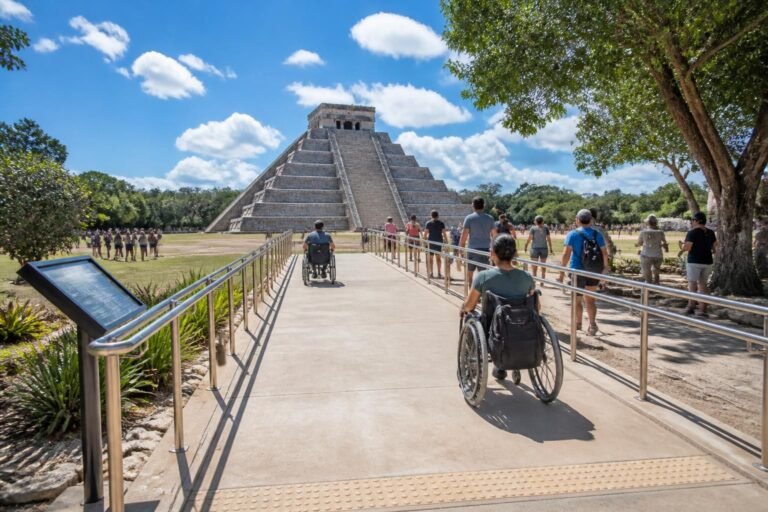
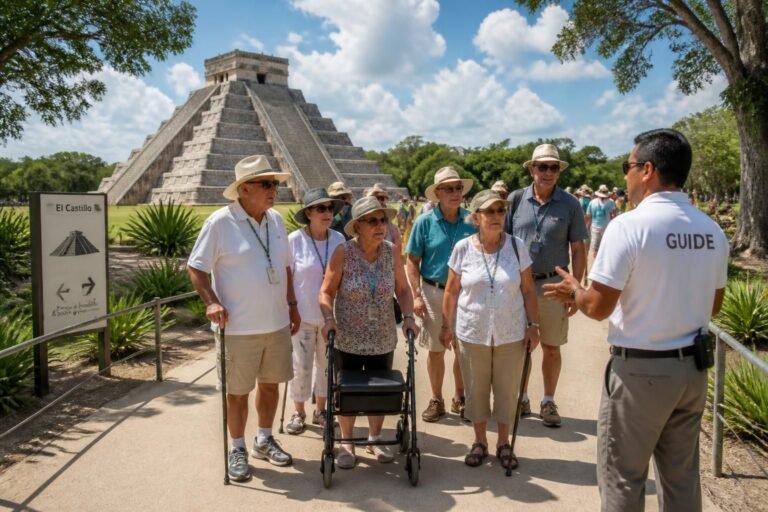
Planning a visit to a sacred cenote can be enriched by selecting tours that incorporate narratives about their ritual significance, such as the guided experiences available at Chichen Itza. Learning about the highlights of Chichen Itza tours often includes immersion into sacred cenote history, connecting travelers with both the archaeological and cultural dimensions of these sites.
For visitors interested in swimming, choosing cenotes with clear guidelines and respect for local customs is essential to preserving their purity. Engaging with cenote ceremonies or guided explorations transforms a simple swim into a profound experience of connecting with ancient Maya traditions and the enduring spiritual beliefs linked to water, life cycles, and cosmic balance.
- Avoid removing natural stones or artifacts from cenote sites.
- Respect any local rituals or cultural guidelines governing cenote access.
- Support conservation efforts by minimizing environmental impact during visits.
- Inquire about culturally sensitive tours that explain Mayan spiritual perspectives.
- Use the opportunity to learn about ancient Maya civilization through Mesoamerican anthropology resources.
What made cenotes so important to the ancient Maya?
Cenotes provided essential freshwater resources, served as sacred portals to the underworld, and were central to religious and agricultural practices in the Maya civilization.
What kinds of offerings were placed in sacred cenotes?
Offerings included pottery, jade artifacts, food items, and occasionally human sacrifices, intended to appease gods and ensure fertility and prosperity.
Are cenotes still used for rituals today?
Yes, some local communities and cultural groups continue to hold ceremonies at cenotes, honoring their spiritual heritage and maintaining traditional practices.
Can visitors swim in sacred cenotes?
Swimming is permitted in many cenotes, but it is important to respect local rules and cultural significance, choosing guided tours to ensure responsible interaction.
Where can one learn more about the history of cenotes in Mayan culture?
Detailed explorations are available through tours and articles such as those covering the Sacred Cenote at Chichen Itza or guides on cenotes near Valladolid.