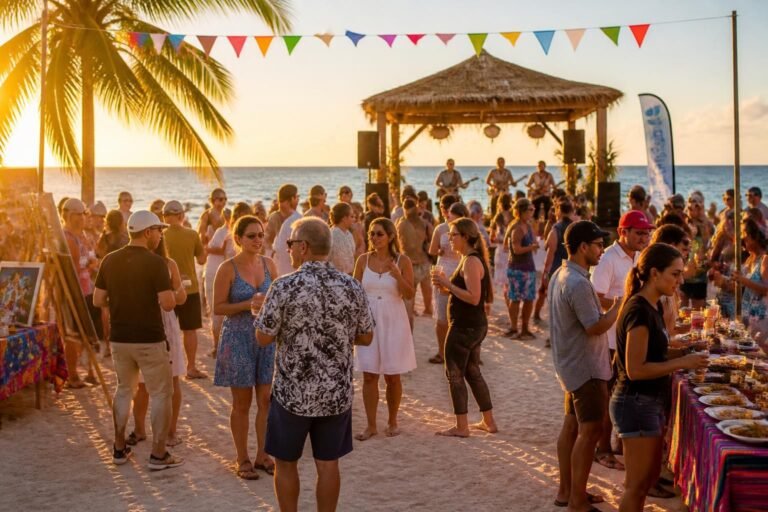
Playa del Carmen has rapidly transformed from a quaint coastal town into a thriving expatriate hub, attracting families worldwide who seek quality education for their children. The surge in international schools reflects this demand, offering diverse curricula tailored to global standards. These institutions not only promise strong academics but also embrace multiculturalism, bilingual education, and innovative teaching methods, accommodating a broad spectrum of student needs. Families relocating here in 2026 benefit from a variety of education styles, ensuring that children are well-prepared for a globalized future, whether through traditional bilingual programs or alternative educational philosophies integrated with Playa’s unique cultural environment.
In brief:
- International schools in Playa del Carmen cater especially to expat families by offering bilingual education and multicultural community integration.
- Unique educational models such as Waldorf, Montessori, and constructivist approaches enrich the local schooling landscape alongside traditional curricula.
- School rankings and facilities emphasize both academic rigor and extracurricular engagement to cultivate well-rounded students.
- Student diversity is embraced to foster social integration and global citizenship from an early age.
- Choosing the right school involves considering location, bilingual support, curriculum compatibility, and community ethos.
Comprehensive Bilingual Education: A Pillar of International Schools in Playa del Carmen
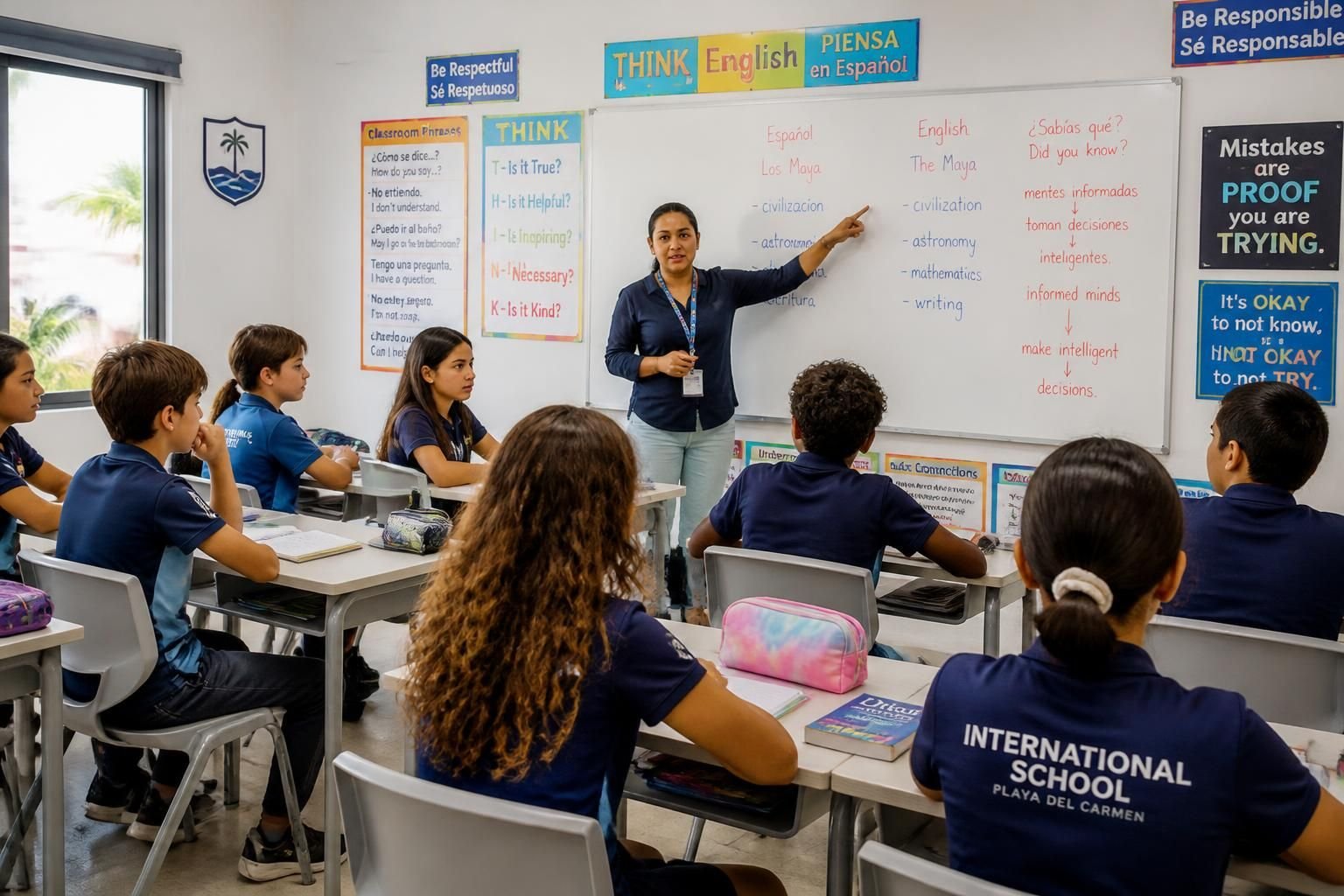
The most sought-after international schools in Playa del Carmen prioritize bilingual education as a cornerstone of their academic offerings. By seamlessly integrating English and Spanish instruction, schools ensure that students, regardless of their native language, are set on a path toward fluency in both tongues. This approach addresses an immediate challenge faced by expat families: easing language barriers for children new to the environment. For instance, Colegio Inglés, operating from preschool through high school, offers a bilingual curriculum enriched with modern facilities including sports complexes and arts programs. This environment not only elevates learning in the classroom but actively supports language acquisition through extracurricular activities like theater and team sports, where English and Spanish are used interchangeably.
Beyond language education, bilingual schools often facilitate cultural exchanges and community events that highlight the fusion of Mexican traditions and international perspectives. Such initiatives foster a welcoming atmosphere, encouraging expat families to feel part of the local culture while preserving their heritage. A bilingual curriculum does not merely prepare students academically; it cultivates empathy and global awareness essential for future leaders in an interconnected world.
Schools with bilingual education programs typically cover a broad grade scope, ensuring continuity from preschool through preparatoria. This uninterrupted academic progression simplifies educational planning for families new to the region. Additionally, many of these schools possess accreditation aligned with international standards, reinforcing the global credibility of the diplomas they issue. When selecting a bilingual international school, many parents consult rankings emphasizing curriculum quality, teacher qualifications, and student diversity. The combination of these factors creates a robust foundation that supports children’s academic success and personal growth.
Consequently, bilingual education in Playa del Carmen international schools is not only about language skills but about crafting a supportive environment where cross-cultural competencies flourish. These programs embrace the community’s linguistic duality, recognizing it as an asset rather than a hurdle.
Alternative Educational Approaches Shaping Unique School Experiences
International schools in Playa del Carmen distinguish themselves through a variety of alternative educational philosophies that cater to the diverse learning styles of expat children. Institutions like El Papalote and Ak Lu’um Waldorf School exemplify this trend, embracing progressive and holistic teaching methods that depart from traditional lecture-based approaches.
El Papalote blends Waldorf-inspired principles with bilingual instruction, emphasizing creativity, critical thinking, and social responsibility. Smaller class sizes and community-oriented atmospheres provide students personalized attention that caters to their individual developmental needs. The curriculum encourages hands-on learning, artistic expression, and outdoor activities, which resonate well with families seeking a nurturing, balanced environment.
Similarly, Ak Lu’um Waldorf School, set in a lush, nature-connected campus, focuses on integrating English and Spanish while promoting respect for the environment through its curriculum. This school is particularly attractive to families longing for an educational experience that extends beyond academics to include emotional well-being and ecological awareness. The non-profit structure of the institution encourages a community-driven model, fostering close ties among students, parents, and educators.
These alternative schools may also incorporate social-emotional learning, mindfulness, and experiential education into daily routines, supporting holistic development. For many expats, the attraction lies in these schools’ flexibility, creativity, and respect for multiple intelligences, allowing kids to thrive regardless of their native language or prior schooling background.
Incorporating such schools into negotiations when moving to Playa del Carmen provides families with options tailored to their child’s personality and learning preferences. Parents can compare traditional bilingual programs to these innovative alternatives to find the perfect fit. This diversity of educational models underscores Playa del Carmen’s appeal as a cosmopolitan city where education adapts to global and local demands alike.
School Facilities and Extracurricular Activities: Enhancing the Learning Environment
Integral to the appeal of Playa del Carmen’s international schools are their comprehensive facilities and extracurricular offerings. Schools recognize that education extends well beyond textbooks, and cultivating talents across sports, arts, and technology enriches student life and enhances academic performance.
Colegio Inglés offers state-of-the-art sports facilities including courts and a swimming pool, alongside auditoriums and studios for artistic pursuits. These resources allow students to balance intellectual growth with physical health and expressive creativity. Enrollment in such schools guarantees children diverse opportunities to participate in soccer leagues, drama clubs, music ensembles, and visual arts workshops, fostering talents and social skills.
International schools in Playa del Carmen also promote community engagement through festivals, cultural celebrations, and service projects. Students often collaborate on events enhancing their leadership abilities and social awareness. Programs may include field trips that expose students to local history and environmental conservation, deepening their connection to the Riviera Maya region.
To meet the needs of expat families, communication channels between schools and parents are often multilingual, often facilitated by English-speaking administrative staff. This eases logistics and reassures parents in unfamiliar surroundings. Furthermore, many schools implement transitional language support programs, recognizing that students arriving with limited Spanish can benefit from additional tutoring or mentoring.
Transport considerations also play a part in choosing schools, given Playa del Carmen’s growing population and occasional traffic congestion. Families weigh the advantages of premium facilities against commute times, sometimes opting for schools near expat-friendly neighborhoods like Playacar. Resources guiding families through these choices can be valuable, as can consultations on local housing, as explained in best areas to live in Playa del Carmen for expats and families.
Key Factors for Expat Families When Selecting Schools in Playa del Carmen
For families moving internationally, choosing the right school involves more than examining academic rankings—it requires considering culture, lifestyle, and future aspirations for children. Playa del Carmen’s international schools address these concerns through several key features that resonate profoundly with expat families.
First, student diversity stands as a vital factor. Schools with a mix of local Mexican students and international expats nurture an inclusive environment. This dynamic allows children to form friendships across cultures, helping them develop global citizenship skills early on. Integration activities and bilingual programs support those adapting to new languages and customs.
Second, accreditation and curriculum choices matter greatly. Many schools offer International Baccalaureate (IB), Cambridge, or American curricula, ensuring that transcripts hold value globally and facilitate smooth transfers between educational systems. Parents can select programs aligning best with their home country’s education or their long-term goals for higher education abroad.
Third, flexibility in teaching methods and class sizes typically distinguishes expat-preferred schools. Smaller class sizes allow teachers to tailor instruction and provide individualized support, critical when children adjust to new academic systems or languages. Alternative educational methods such as Montessori or constructivist are especially valued for their adaptability.
Fourth, practical considerations like location, transportation, and communication ease influence decisions. Accessibility to neighborhoods popular among expats can reduce commute stress and augment family quality of life. Administrative efficiency with English-speaking staff ensures clarity in procedures like enrollment and homologation, the latter essential for recognition of foreign academic records within Mexico’s SEP system.
Finally, a strong extracurricular program enhances the overall experience, offering children a balanced education that nurtures talents beyond academics. These well-rounded opportunities help localize students while preparing them for diverse futures. Leveraging expert advice on relocation and schooling in Playa del Carmen, as often provided by local travel and property specialists, can streamline the transition immensely.
| Factor | Description | Importance for Expat Families |
|---|---|---|
| Bilingual Education | English and Spanish integrated in daily instruction | Facilitates language acquisition and cultural integration |
| Curriculum Accreditation | Internationally recognized diplomas (IB, Cambridge, American) | Ensures global educational mobility and quality |
| Student Diversity | Mix of local and international students | Supports social integration and global citizenship |
| Alternative Education Methods | Montessori, Waldorf, constructivist options | Adapts to diverse learning styles and preferences |
| Extracurricular Activities | Wide range of sports, arts, and cultural programs | Develops well-rounded student skills and interests |
| Location and Accessibility | Proximity to expat neighborhoods and transport options | Enhances convenience and family life quality |
Understanding Enrollment Procedures and Support Systems for Expat Families
Enrolling children in Playa del Carmen’s international schools involves clear steps and documentation, often guided by the schools’ administration teams experienced in welcoming expat families. The process typically includes submission of birth certificates, immunization records, and academic transcripts, with the latter usually requiring translation and apostille for Mexican accreditation purposes. This homologation procedure ensures that academic achievements abroad are recognized within the Mexican education system, preventing disruptions in a child’s educational trajectory.
Many international schools provide guidance and support throughout this process, offering bilingual staff to facilitate communication and address any concerns. Some schools even have phased entry or transition programs to assist children settling in, particularly when Spanish proficiency is limited. Schools such as Colegio San Gabriel, located conveniently in Playacar, offer these supports within their robust English-spoken academic environment.
The financial aspect also plays an important role. Tuition fees vary but typically range between 4,000 and 18,000 MXN monthly, depending on the school’s curriculum and facilities. Additional registration and materials fees may apply. Families considering long-term residence in Playa del Carmen are advised to plan accordingly and seek transparent information about costs and payment schedules.
To aid in the relocation process, parents often explore housing options that reduce travel time to schools and fit family needs. Insights into real estate and community amenities are available through resources like the complete guide to buying property in Playa del Carmen, offering a holistic approach to settling in.
Visiting schools beforehand is strongly encouraged. Tours provide firsthand experience of campus environments, student engagement, and language use. This personal visit is invaluable, especially when weighing the balance between traditional and alternative educational methods or choosing between bilingual versus predominant English instruction.
What is the advantage of bilingual education in Playa del Carmen international schools?
Bilingual education offers students fluency in English and Spanish, facilitating cultural integration and enhancing academic opportunities globally, which is particularly beneficial for expat families.
How do international schools support expat children with limited Spanish?
Many schools provide bilingual staff, transition programs, and additional language support to help expat children adapt smoothly to a new linguistic environment.
What alternative educational models are available in Playa del Carmen’s international schools?
Schools like El Papalote and Ak Lu’um Waldorf incorporate Waldorf-inspired and constructivist approaches focusing on creativity, holistic learning, and nature-connected education.
Are there specific neighborhoods recommended for expat families seeking school proximity?
Yes, areas such as Playacar are favored for their access to reputable international schools and family-friendly amenities, helping reduce commute times and enhance quality of life.
What should parents know about the school enrollment process in Playa del Carmen?
Parents must prepare official documents like apostilled transcripts and immunization records, with many schools offering help to navigate homologation and enrollment procedures.