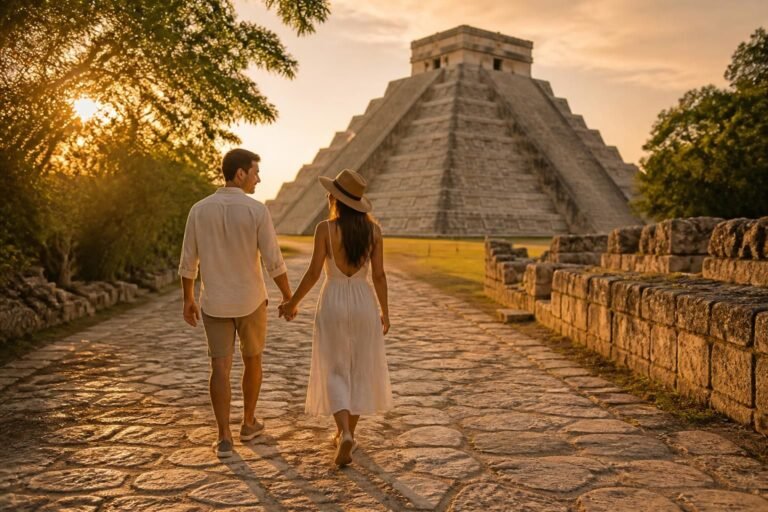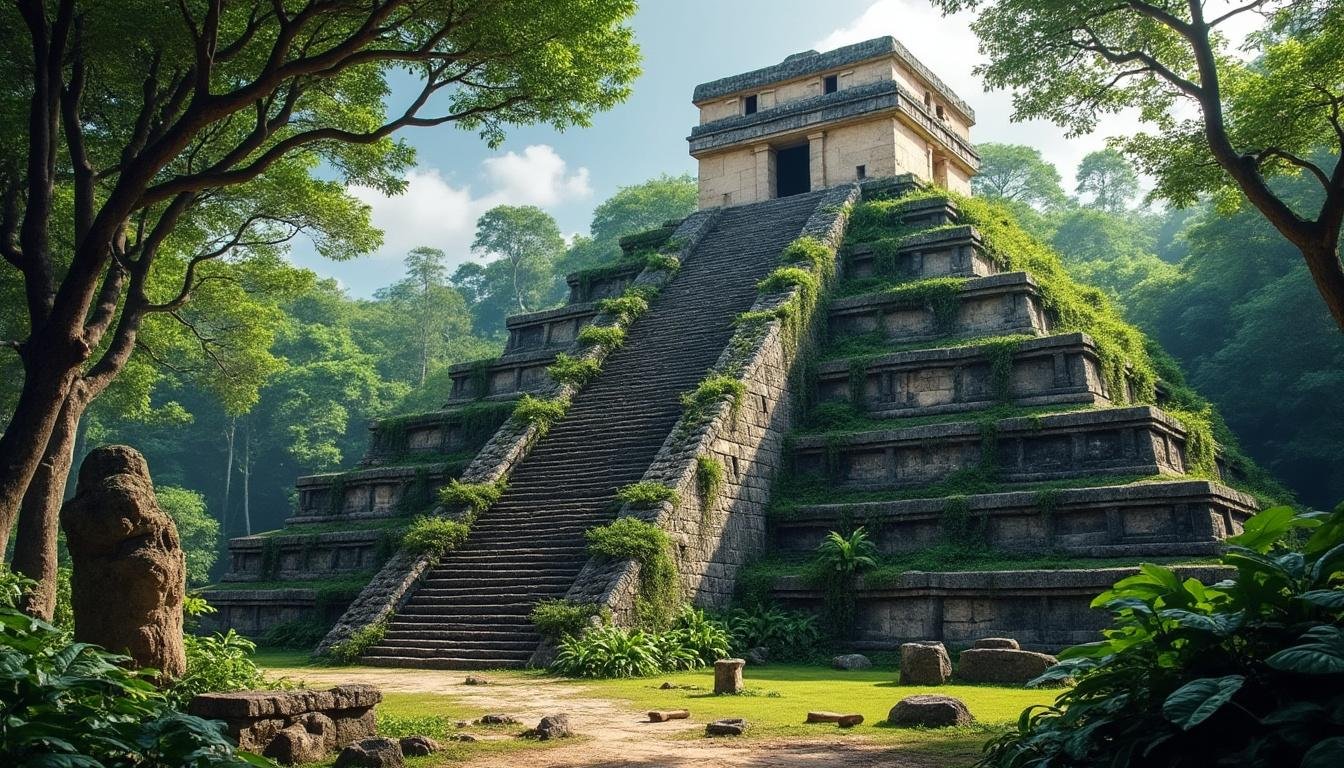
The Coba ruins, hidden deep within the lush jungles of the Yucatan Peninsula, represent a stunning window into the ancient Maya civilization. Far from the crowded tourist paths, these ruins offer an immersive journey into a lost metropolis once thriving with over 50,000 inhabitants. As one of the largest and most culturally significant sites in Mesoamerica, Coba boasts impressive pyramids, sacred white limestone roads, and a network of monuments that preserve the rich heritage of the Maya. Travelers visiting the Riviera Maya region often find the Coba ruins a compelling alternative to the more famous archaeological sites, offering both adventure and profound historical discovery amidst the forest canopy.
For those seeking to explore an ancient city marked by architectural ingenuity and spiritual depth, Coba stands as a unique destination. This extensive archaeological site, just over a two-hour drive from Cancun and a short distance from Tulum, blends history with nature, allowing visitors to bike along ancient sacbeob or climb towering pyramids to take in panoramic jungle views. The site’s distinctive layout and symbolic structures reveal much about the political, religious, and cultural life of the Maya during the Late Classic period. This guide delves into all facets of exploring Coba, offering valuable insights into its history, how to visit, and the unforgettable experiences that await.
Key Points to Remember About Coba Ruins Exploration:
- Coba was once a powerful Maya city-state with an estimated 50,000 residents during its peak.
- The site features the tallest pyramid in the Yucatán Peninsula, Nohoch Mul, which visitors can still climb.
- An extensive network of white limestone roads, or sacbeob, connected the city’s various groups and distant sites, symbolizing political unity.
- Coba’s location within dense jungle provides a serene atmosphere, contrasting with more tourist-heavy ruins.
- Visitors can explore the site by foot, bike, or bicitaxi, enabling deeper connection with the ancient pathways and structures.
- Nearby cenotes enrich the cultural and natural experience, offering chances for refreshing swims after exploration.
- Comprehensive tours and local guides are available, enhancing understanding of the site’s archaeological and spiritual legacy.
Unveiling the Historical and Archaeological Significance of the Coba Maya Ruins
The archaeological site of Coba stands as a testament to the thriving Maya civilization that shaped the Yucatán Peninsula centuries ago. Originating as early as 100 BC, Coba reached its zenith between 600 and 800 AD during the Late Classic period. It was not only one of the largest urban centers in pre-Columbian Mesoamerica but also a critical political and religious hub. With an estimated population surpassing 50,000 inhabitants, Coba was influential in regional dynamics, particularly through its networks of warfare, trade, and diplomacy.
One of Coba’s remarkable features is its sacbeob — the white limestone causesway system stretching for miles, connecting various architectural groups within the city and even linking to other distant Maya centers. These roads were more than just transportation routes; they symbolized the city’s cohesion and power. For archaeologists, these sacbeob provide invaluable evidence of Coba’s reach and organizational complexity. The roads demonstrate the city’s strategic positioning, taking advantage of fertile lands and waterways near the Cobá Lagoon.
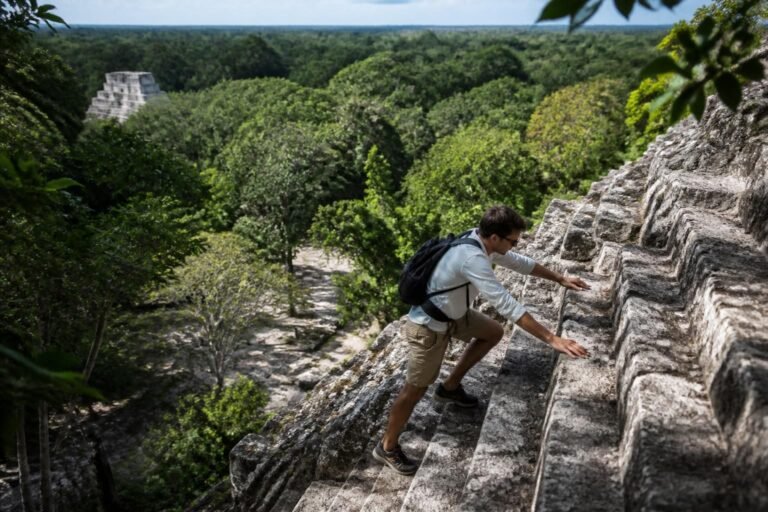
Central to Coba’s physical and spiritual identity are its towering pyramids and stelae carved with intricate hieroglyphics. The tallest pyramid, known as Nohoch Mul, rises to a height of approximately 42 meters (138 feet), making it a standout landmark on the peninsula. It is composed of nine tiers and features a commanding summit platform that offers visitors sweeping views of the surrounding jungle canopy and Lake Cobá. Such architectural achievements reflect the Maya’s sophisticated understanding of geometry, astronomy, and structural engineering.
The ruins also showcase ceremonial plazas, ball courts used for the ritualistic Pok-ta-Pok game, and groups of painted murals, like the Conjunto de Pinturas. These elements provide insights into the Maya’s cultural, religious, and social practices. The presence of numerous stelae inscribed with detailed glyphs reveals a historical record that continues to be deciphered, shedding light on rulership, cosmology, and significant events in Maya history. This makes Coba an essential site for the study of ancient Maya civilization, complementing our knowledge gained from sites like Chichen Itza and Ek Balam.
Planning Your Visit: Getting to and Around the Coba Ruins
Located within the Mexican state of Quintana Roo, approximately 47 kilometers northwest of Tulum, the Coba ruins are accessible yet maintain an aura of seclusion thanks to their jungle surroundings. The nearest modern settlement is the small village of Coba, which functions as a gateway to the archaeological park. Visitors can reach the ruins via a scenic drive from major tourist hubs including Playa del Carmen and Cancun.
Most tourists prefer private tours or guided excursions arranged through local agencies like Travel Yucatan, which specialize in enriching experiences across the Riviera Maya. Public transportation options, such as the ADO bus, connect Tulum, Playa del Carmen, and Cancun to Coba for budget travelers. After arriving at the site, guests pay a modest entrance fee that contributes to preservation efforts.
The sprawling layout of the archaeological site makes it advisable to plan your exploration thoughtfully. The main groups—Coba Group, Nohoch Mul Group, and Macanxoc Group—are separated by distances that can be challenging on foot alone. To maximize the visit, visitors can rent bicycles or hire a bicitaxi, a tricycle-operated local taxi. These modes of transport allow for efficient yet immersive travel along the ancient sacbeob. Riding the historic white roads is not just practical but deepens the connection to Maya life, recreating how the ancient city’s inhabitants moved between temples, plazas, and residential areas.
Remember to prepare adequately for the jungle environment: bring water, comfortable footwear, insect repellent, sunscreen, and perhaps a hat for sun protection. Visit early in the day to avoid the intense midday heat and consider hiring an official local guide. Qualified guides offer detailed historical context, stories behind each monument, and insight into Maya cosmology, enhancing the archaeological exploration. Avoid weekends when the site attracts local visitors and can become crowded, particularly on free-admission Sundays for Mexican citizens.
Immersing in the Coba Experience: Key Attractions and Activities
Coba offers a multitude of activities to deepen understanding and enjoyment of one of the Maya civilization’s greatest cities. At the heart of the site lies the Nohoch Mul pyramid, the tallest pyramid on the peninsula. Climbing its steep, narrow steps can be physically demanding but is highly rewarding. The summit provides panoramic views, allowing visitors to appreciate the vast jungles that once enveloped this sprawling ancient city. The pyramid’s nine tiers symbolize the Maya cosmological layers, offering a spiritual perspective as much as a historical one.
Beyond this imposing structure, visitors can explore smaller groups such as the Macanxoc Group, famous for its impressive collection of stelae. These stone monuments are inscribed with Mayan hieroglyphics and images that record the history and mythology of the city’s rulers and society. These intricate carvings have been crucial in decoding the Maya Long Calendar and understanding the cyclical perception of time central to Maya beliefs.
The Conjunto de Pinturas (Paintings Group) is another highlight, featuring remnants of ancient murals that vividly illustrate Maya ceremonies and daily life. Though the artwork has faded over centuries, the remaining pigments provide rare glimpses into Maya artistic expression. The nearby ball courts showcase where the deeply symbolic ritualistic game Pok-ta-Pok was played, an activity blending sport with religious significance that underscores the complexity of ancient Maya civilization.
Visitors can also enjoy the serenity of the jungle, cycling along the sacbeob that connect the various archaeological groups. Walking or biking through these roads helps visitors envision how the Maya city was interconnected. After a day of exploration, replenishing in one of the nearby cenotes — natural sinkholes filled with pristine water — offers a refreshing cultural and ecological experience.
- Climb Nohoch Mul pyramid for unparalleled views of the jungle landscape.
- Observe stelae inscriptions at the Macanxoc Group revealing Maya royal history.
- Visit the Conjunto de Pinturas to see remnants of ancient temple murals.
- Experience the ancient game courts illustrating ceremonial life in the city.
- Ride or walk along the network of sacbeob for authentic immersion in city layout.
- Relax and swim in nearby cenotes to connect with nature and Maya traditions.
- Engage knowledgeable local guides to enrich your archaeological understanding.
The Legacy of Coba: Cultural Insights and Archaeological Discoveries
Coba’s archaeological record is a treasure trove for understanding the sophisticated society of the ancient Maya. The site played a pivotal role in the study of Mesoamerican civilizations, particularly after initial excavations in the early 20th century by scholars such as Sir Eric Thompson. Unlike many other Maya sites abandoned and lost to the jungle, Coba’s continued habitation by local communities helped preserve valuable oral histories and artifacts.
The numerous stelae found at Coba have been instrumental in deciphering Maya hieroglyphics and calendar systems. One noteworthy find was Stele 1, whose inscriptions contain the full narrative of the Mayan creation myth, elaborating on cosmology and the interplay of time and sacred cycles. This discovery deepens connections between Coba and other prominent Maya cities such as Chichen Itza and Ek Balam, providing a broader picture of ancient political relations and cultural exchange.
Moreover, Coba’s legacy extends beyond its archaeological significance. The site embodies Maya philosophical concepts that stress the duality of existence and the cyclical nature of time. Local guides often recount how the ancient Maya viewed reality as an interplay of opposites — night and day, life and death — emphasizing harmony within this balance. This worldview is reflected in the architecture, art, and ritual practices found throughout the ruins.
Protecting this heritage for future generations is paramount. Responsible tourism and conservation efforts target minimizing impact on the fragile ruins, especially given rising visitor numbers in 2026. There are ongoing discussions about restricting pyramid climbing to preserve these magnificent structures. Embracing this stewardship allows travelers to appreciate Coba not only as a destination for exploration but as a sacred site with enduring cultural importance.
Essential Travel Tips and Practical Information for Visiting Coba Ruins
Maximizing the visit to Coba requires some preparation and awareness. The ruins are best experienced in the cooler morning hours to avoid tropical heat and crowds. Comfortable clothing and sturdy shoes or sandals are vital, especially for pyramid climbing. The site’s location in dense jungle means insect repellent is strongly recommended. Carry plenty of water and sun protection to stay hydrated and safe during long walks or bike rides.
Below is a practical comparison table highlighting key considerations for exploring the Coba ruins:
| Aspect | Details and Tips | Recommendations |
|---|---|---|
| Transportation | Accessible by car, public bus, or guided tours from Cancun, Tulum, Playa del Carmen | Book through local agencies like Travel Yucatan for ease |
| Site Access | Entrance fee required; available daily except holidays | Arrive early to beat crowds, especially on weekends |
| Site Exploration | Extensive area; large walking distances between groups | Rent bicycles or bicitaxis for efficient exploration |
| Pyramid Climbing | Steep and narrow steps; climbing at own risk | Wear proper footwear, take it slow, use side-step techniques |
| Guided Tours | Available on-site; knowledgeable local guides enhance experience | Hire guides with official lanyards for authenticity and insight |
| Cultural Sites Nearby | Natural cenotes and small villages offer refreshing stops | Include a visit to cenotes after ruins exploration for cultural balance |
For travelers planning their itinerary, pairing a Coba visit with trips to other iconic sites like Chichen Itza enhances understanding of Maya civilization’s breadth. To navigate Chichen Itza’s wonders, consult resources such as this detailed guide for an unforgettable experience.
Ultimately, Coba offers a rich and engaging adventure for those eager to delve into the mysteries of Mesoamerica’s past. Meticulously exploring its ruins rewards visitors with insights into an ancient world shaped by astronomy, complex politics, and profound spiritual traditions.
What is the best time of year to visit the Coba ruins?
The optimal time to visit is during the dry season, from November to April, when the weather is cooler and rainfall is minimal. Early mornings are recommended to avoid heat and crowds.
Is it safe to climb the Nohoch Mul pyramid?
Yes, climbing is allowed but it is steep with narrow steps. Visitors should wear suitable footwear, take their time, and use the rope provided for support. However, those with fear of heights should consider admiring it from the base.
How can I get to Coba from Cancun or Tulum?
Coba is accessible by car, bus, or guided tours. The ADO bus service connects from Cancun and Tulum, while many travelers prefer private tours that include transportation and expert guides.
Are there facilities available at the ruins?
Basic facilities including restrooms and small restaurants are located near the parking area. Bringing water and snacks is advisable as amenities within the park are limited.
Can I visit other Mayan sites in the same trip?
Yes, it is convenient to combine Coba with other well-known sites such as Chichen Itza or Tulum. Planning guided tours through providers like Travel Yucatan ensures smooth logistics and rich cultural context, as detailed in resources like the guide to Chichen Itza visits.