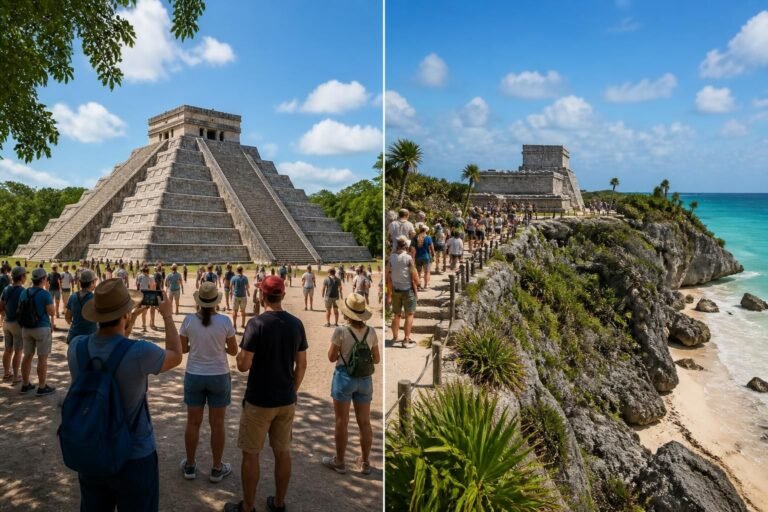

Chichen Itza remains one of Mexico’s most captivating archaeological sites, drawing millions with its rich history and architectural marvels. Yet, understanding the best time to visit can transform the experience from a hectic scramble among tourists into a serene exploration of Mayan culture. Balancing climatic conditions with crowd patterns is crucial, especially in 2026 when tourism continues to rebound. Visitors hoping to avoid throngs while enjoying comfortable weather will find that timing their trip carefully unlocks unique opportunities to immerse themselves deeply in the ruins’ mysteries.
From the interplay of sunlight during equinox phenomena to the gentle morning breezes that ebb away the region’s persistent humidity, choosing the right moment means far more than just convenience. It translates into memorable photography, peaceful contemplation, and authentic cultural engagement, spotlighting why timing matters at Chichen Itza amid the bustling Riviera Maya.
Understanding Seasonal Weather Patterns to Plan the Best Time to Visit Chichen Itza
The Yucatán Peninsula experiences two main climatic seasons that heavily influence visitors’ comfort and site accessibility around Chichen Itza. The dry season, stretching from November through April, offers the most favorable conditions for an enjoyable visit. Temperatures during this interval hover between 70°F and 85°F (21°C to 29°C), accompanied by clear skies and minimal rainfall. This period also coincides with the peak tourist season, especially from December to March, reflecting travelers’ preference for pleasant climate and activities under less oppressive heat.
In contrast, the rainy season from May through October brings significantly higher temperatures, soaring up to 95°F (35°C), combined with increased humidity. Expect brief afternoon rain showers lasting typically 30 to 60 minutes which cool the air and refresh the surroundings. While less popular with tourists, this time attracts visitors seeking fewer crowds and affordable rates with discount packages 15-20% lower than in peak months.
Notably, shoulder months such as May and October present a valuable compromise. These months feature reduced visitor volumes, moderate rainfall that rarely hinders morning explorations, and attractive pricing. This balance is particularly ideal for those prioritizing solitude and budget considerations while capturing the photogenic aspects of Chichen Itza, including vibrant green landscapes rejuvenated by seasonal rains.
Reflecting on weather conditions alongside crowd dynamics reveals why dry season remains the preferred choice for travelers, despite higher costs. The clarity of early mornings and late afternoons during this season allows for intimate encounters with the ruins’ shadows and light—extraordinary for both cultural appreciation and photography.
Strategic Timing During the Day to Avoid Crowds and Beat the Heat
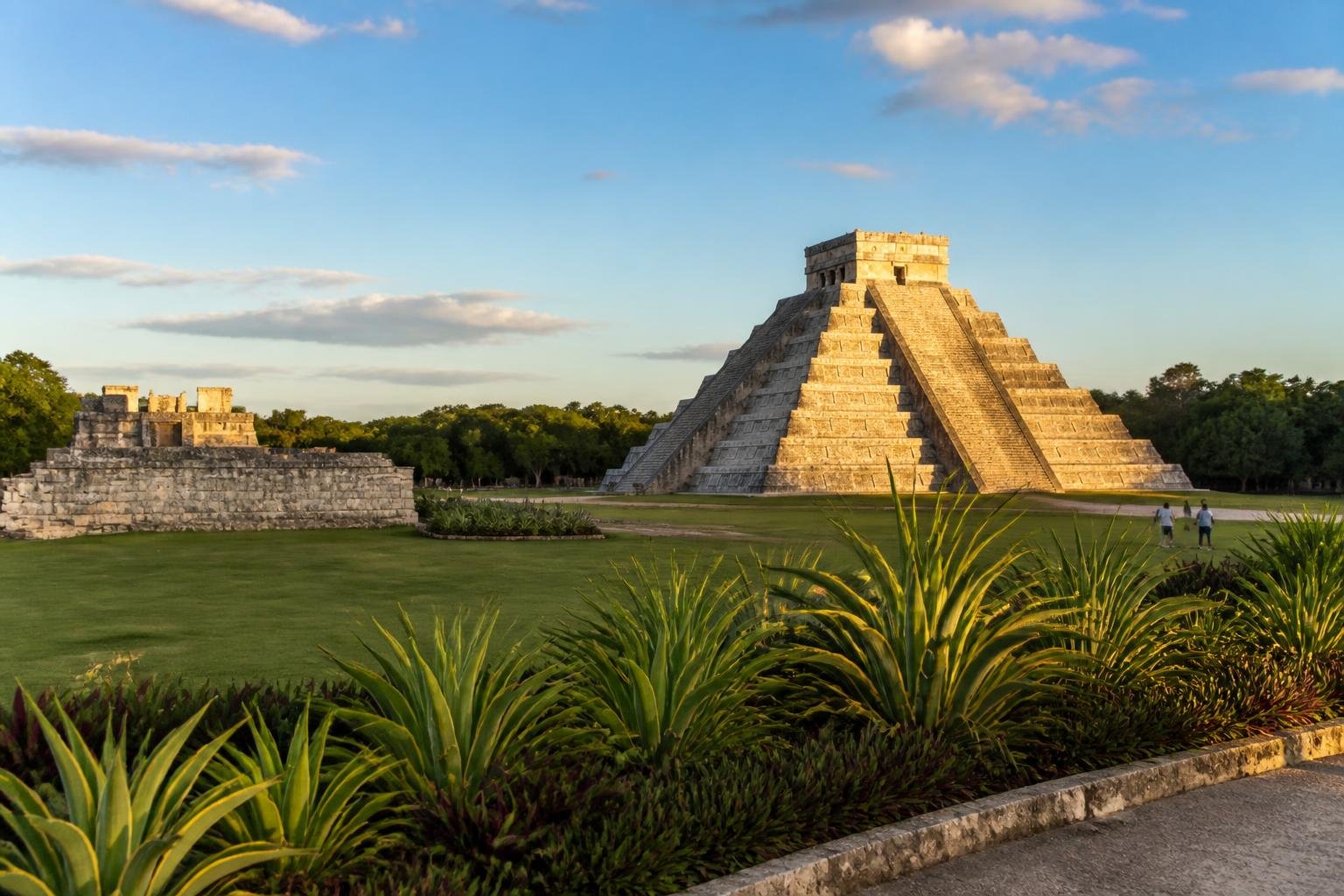
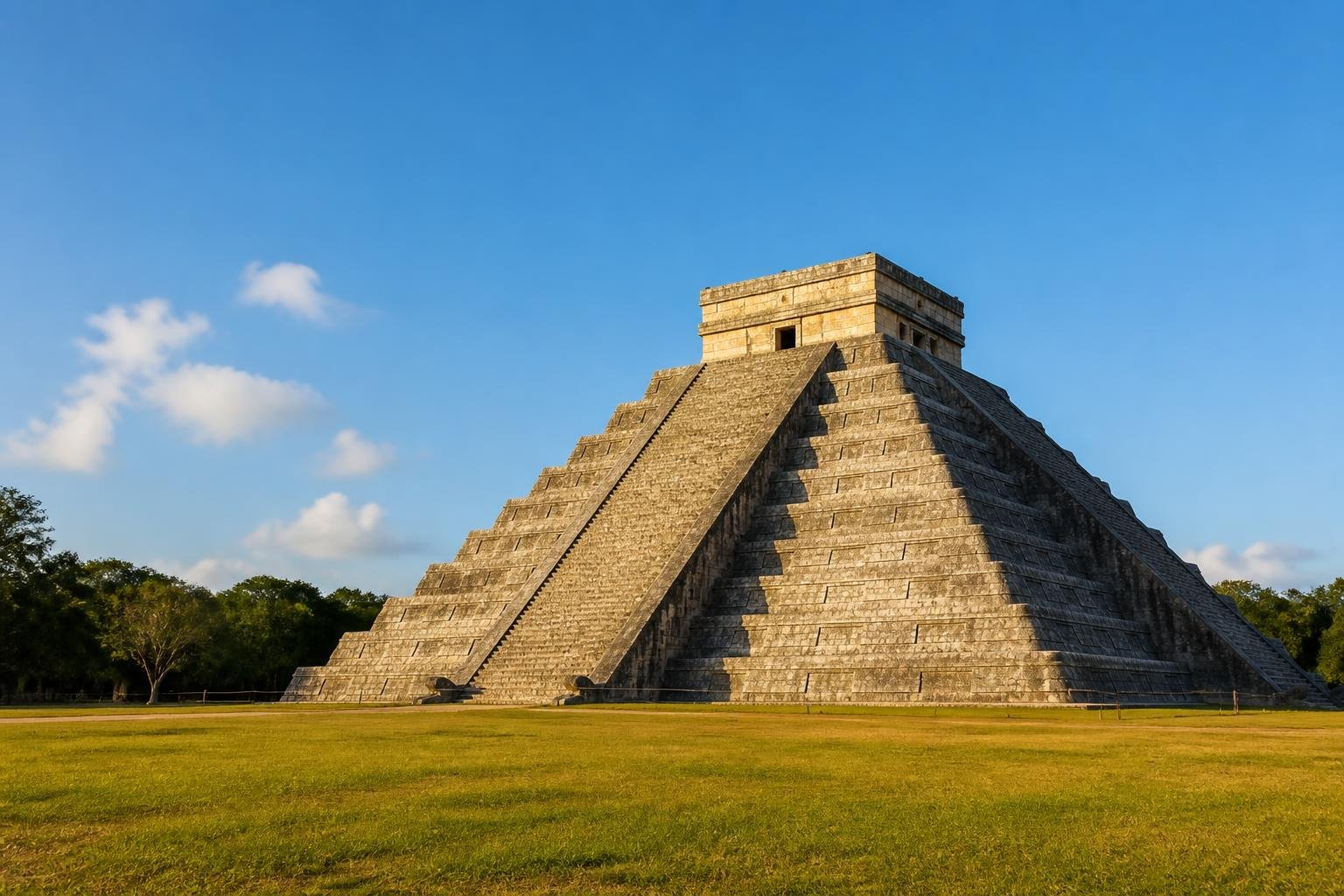
Beyond seasonal considerations, timing your visit on a daily scale profoundly shapes the experience at Chichen Itza. The morning visit window from 7:00 AM to 9:00 AM stands out as the optimal period, with temperatures ranging from 70°F to 75°F, significantly cooler than midday’s harsh heat. During this time, the site welcomes fewer tourists, especially ahead of the arrival of tour buses which typically dock between 10:00 and 10:30 AM. Early explorers capitalize on peaceful surroundings, fewer vendors, and soft golden light perfect for capturing iconic images of El Castillo and other structures.
Conversely, the period between 10:00 AM and 2:00 PM marks the peak tourist influx, with crowds potentially surpassing 5,000 visitors. Simultaneously, temperatures often climb above 90°F, intensifying heat discomfort and making outdoor exploration challenging. The intense sun casts harsh shadows, complicating photography and outdoor enjoyment. For visitors seeking refuge from both crowds and heat, midday is generally advised to be avoided.
Late afternoon, from 3:00 PM until closing time at 5:00 PM, provides a resurgence of appeal. As crowds dwindle and temperatures fall, the site bathes in warm, golden hour light. However, given that the park closes at 5 PM, this interval offers limited exploration time, best suited for a relaxed stroll or returning to favorite spots without the earlier hassle.
For those planning ahead, securing early morning access frequently entails staying in nearby towns such as Valladolid the previous night. This strategy enhances the chance to enjoy a private atmosphere and witness the ruins in near solitude. Private tours often start earlier than group buses, maximizing that crucial early window for a personal, undisturbed experience.
Tips for Optimal Timing During the Day
- Arrive before 8 AM to avoid incoming tour buses.
- Use sun protection such as hats and sunscreen to handle UV exposure.
- Stay hydrated by carrying water, especially during the dry season when the sun is strongest.
- Plan rest stops to manage energy levels amid the expansive archaeological site.
The Impact of Special Events and Festivals on Visitor Patterns & Weather
Chichen Itza’s allure extends beyond just the spectacular Mayan ruins; it also includes celestial events that draw enthusiasts worldwide. The Spring Equinox (March 20-21) represents the pinnacle of such phenomena, where the setting sun creates a remarkable “serpent shadow” effect on El Castillo’s northern staircase. This iconic display attracts upwards of 50,000 visitors, turning the site into one of the year’s most crowded moments. Visitors aiming to experience this event must book tours well in advance, typically 2-3 months ahead, and arrive early (before 8 AM) to secure a vantage point.
The Autumn Equinox (September 21-22) offers a near-identical visual spectacle with significantly fewer crowds, as it falls within the rainy season’s less popular months. Although afternoon showers may occasionally occur, the opportunity to witness the serpent shadow effect amongst smaller crowds appeals to photographers and cultural enthusiasts prioritizing intimacy.
Other cultural events such as Día de los Muertos (November 1-2) provide visitors with rich experiences in nearby towns like Valladolid, featuring vibrant altars, traditional cuisine, and parades. These festivities complement the archaeological visit and enrich the understanding of modern Mayan heritage.
Despite the extraordinary draw of equinox phenomena, the increased tourism demand means some sacrifice in comfort due to mass crowding and higher prices. Those who prefer serene exploration may choose to visit just before or after peak festival dates or opt for off-season times to appreciate Chichen Itza without the hubbub.
Month-by-Month Practical Guide to Picking the Best Time to Visit Chichen Itza
Assessing each month’s specific traits helps travelers customize their visit around weather, crowds, and special events. December and January rank among the best due to reliably pleasant conditions and moderate visitation outside major holidays. While Christmas week does gather sizeable crowds, visitors who plan on weekdays experience balanced temperatures and low humidity.
February shines as the “sweet spot” within the dry season—offering idyllic climate and exceptional morning light on El Castillo for photographers. March, while still comfortable, can begin to warm up noticeably, signaling the approach of April’s increased heat.
During the rainy season, August stands out as the hottest month with intense humidity, but also offers the lowest tourist attendance and deeply discounted rates. Visitors on a budget or those seeking a more private tour might prefer this month despite weather challenges.
May and October act as transition months providing a hospitable climate with fewer tourists than the dry season but with less rain than the heart of the wet season. These months are perfect for travelers wanting a balance between comfort, cost, and crowd size.
| Month | Average Temperature (°F) | Humidity Level | Tourist Crowd Level | Best Visit Reason |
|---|---|---|---|---|
| December | 70-80 | Low | High | Clear skies and festive atmosphere |
| January | 70-85 | Low | Moderate | Optimal weather and fewer crowds |
| February | 70-85 | Low | Moderate | Photography and comfort |
| May | 80-90 | Moderate | Low | Off-peak prices and fewer visitors |
| August | 85-95 | High | Very Low | Budget-friendly and quiet visits |
| October | 80-90 | Moderate | Low | Good balance of crowd and weather |
Pairing a Chichen Itza visit with excursions to nearby natural wonders such as Cenote Ik Kil or exploring charming colonial towns enriches the overall experience. Visitors can discover curated day-trip itineraries that blend cultural insights with natural exploration for a comprehensive Yucatán adventure.
How Choosing the Right Tour Enhances Your Visit During Low Season and Peak Periods
Navigating the massive crowds and planning around weather fluctuations is simplified when leveraging expert guides and tailored tours. Several companies specialize in offering visits that maximize comfort and cultural depth depending on the season and timing. For instance, small group tours allow more personalized exploration with early entry options, ensuring visitors beat the midday rush and harsh heat while gaining detailed historical context.
Choosing a private tour package with an English-speaking guide ensures that questions are answered thoroughly, and the itinerary is adaptive to weather changes. These tours commonly include logistics that facilitate optimal arrival times, either just when the park opens or during special event windows, augmenting the likelihood of a peaceful visit.
For travelers based in Cancún or Playa del Carmen, tours structured as day trips often incorporate convenient hotel pickups and a blend of Chichen Itza with local cultural sites, making it viable to explore multiple highlights within a single day. The convenience of such packages alleviates logistical burdens, enabling guests to focus solely on the experience.
In 2026, tour providers continuously refine offerings to address evolving traveler preferences, emphasizing low crowd density and climate-conscious scheduling. Those seeking deeper immersion may pinpoint off-peak months to enjoy discounted rates and superior weather, while others might target equinox dates for historic spectacle despite larger crowds.
- Book tours at least 2-3 weeks ahead for dry season visits to ensure availability.
- Opt for morning departures to avoid mass arrivals and midday heat.
- Consider combined tours with nearby cenotes and towns for a broader experience.
- Communicate preferences to guides regarding weather tolerance and crowd aversion.
- Utilize hotel pickups to optimize time and comfort during travel.
When is the absolute best time of day to visit Chichen Itza to avoid crowds?
The period from 7:00 AM to 9:00 AM is ideal as it offers the coolest temperatures and fewer tourists before the arrival of large tour groups around 10:00 AM.
What months have the most comfortable weather for visiting Chichen Itza?
November through April are the best months for comfortable weather, featuring lower humidity, minimal rainfall, and moderate temperatures generally between 70°F and 85°F.
Are there any special events to consider when planning a visit to Chichen Itza?
Yes, the Spring and Autumn Equinoxes attract huge crowds eager to witness the serpent shadow phenomenon. Visiting just before or after these dates can provide similar experiences with fewer visitors.
Can visiting during the rainy season be worthwhile?
Absolutely. The rainy season offers fewer crowds, discounts on tours, and lush scenery. Morning visits are typically dry, and rain usually falls in short afternoon bursts, allowing plenty of exploration time.
Where can I find reliable tours that optimize my visit to Chichen Itza?
Numerous tour companies offer themed and small group tours tailored to guests’ timing and preferences. For example, exploring the best small group tours can be done through trusted guides like those listed on this site.