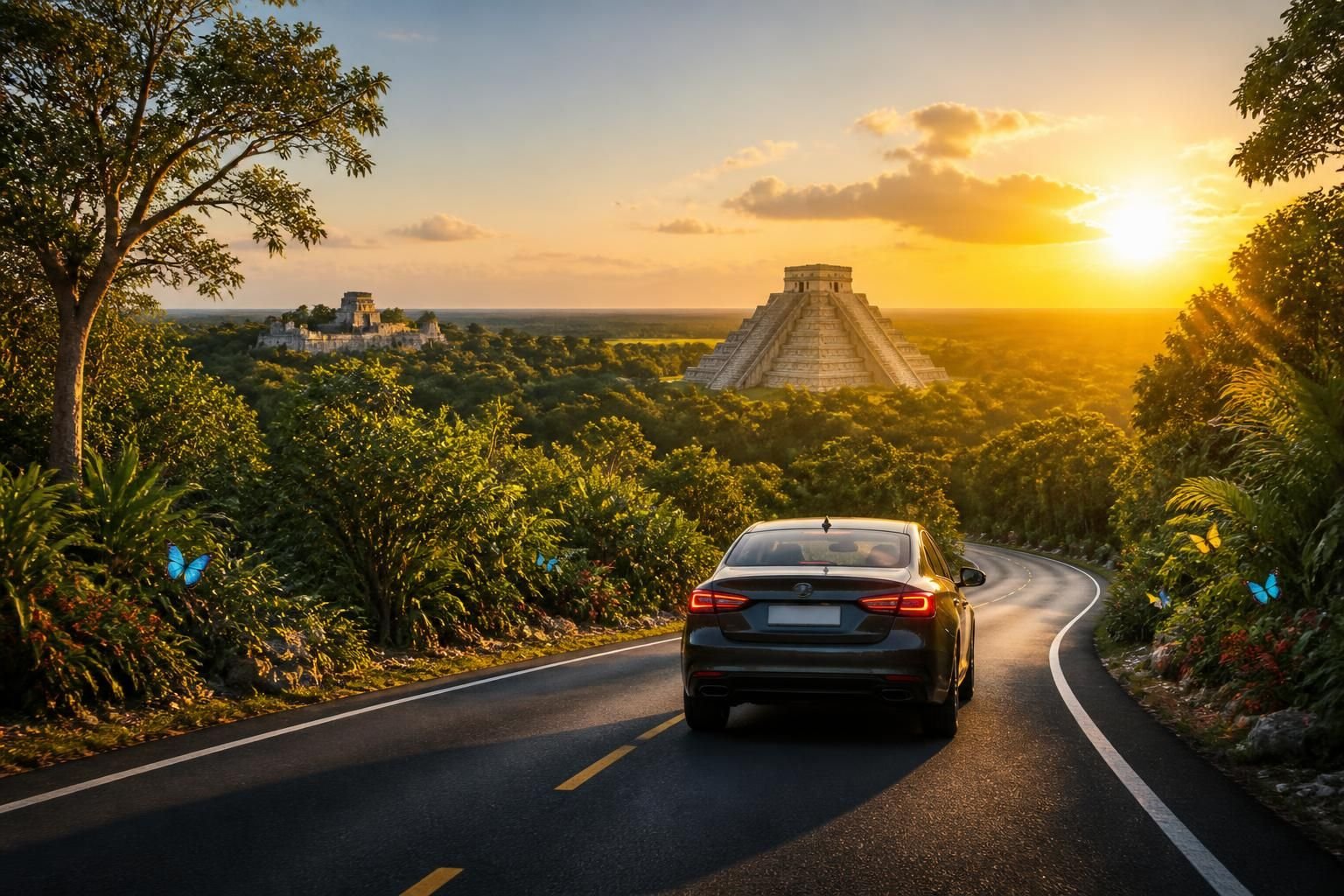

Embarking on a Yucatan self drive to Chichen Itza promises a vibrant adventure through the heart of Mayan culture, rich historical sites, and untamed natural beauty. This route offers unparalleled freedom to explore at one’s own pace, from ancient Mexican ruins to hidden cenotes, vibrant towns, and stunning lagoon views. Ideal for those craving an immersive road trip experience, the journey reveals the full spectrum of the Yucatan Peninsula’s gems while allowing travelers to engage authentically with local traditions and landscapes.
Choosing to navigate the Yucatan by car rental creates an open invitation to discover secluded archaeological sites, lively markets, and serene beaches far from crowded tours. The strategic self-drive itinerary highlights the captivating allure of Chichen Itza, positioning it as the crown jewel of the exploration. Additionally, driving permits detours to less-visited ruins, colorful colonial cities, and awe-inspiring natural wonders such as the famed cenotes, all while enjoying the vibrant rhythms of Mexican culture throughout the peninsula.
Optimizing your Yucatan self drive: safety and navigation essentials
Driving across the Yucatan Peninsula in Mexico offers an advantageous way to cover vast cultural and natural terrain conveniently while granting travelers the autonomy required for true exploration. Most roads are well-maintained and safe, especially compared with other regions of Mexico, making them suitable for self-drive adventures. Coupling this with proper car rental arrangements prepares travelers for a smooth journey enriched by surprise stops and detailed site exploration.
A vital consideration for anyone on this Yucatan self drive is securing liability insurance through the car rental agency. This coverage is mandatory and separate from travel insurance, as it provides protection against legal complications in the case of accidents. In such incidents, one must wait for local authorities and insurance representatives to handle the situation, thus avoiding unnecessary risks or delays.
Road conditions favor a courteous and steady driving style, but beware of numerous topes—speed bumps randomly placed across towns and highways. These can be harsher than anticipated, so slowing down to cross each is crucial to avoid damage to the vehicle. Relying on offline downloaded maps via Google Maps also streamlines navigating cities with unexpectedly complex street patterns such as Valladolid or Merida, minimizing confusion and time loss.
Furthermore, emergency services like Ángeles Verdes (“Green Angels”) provide roadside assistance free of charge along highways, reachable by dialing 078. This support adds an extra layer of security, allowing drivers to feel confident about their journey. Meanwhile, it’s prudent to remain cautious of potential fuel station scams near major tourist hubs such as Cancun and Playa del Carmen, preparing in advance by consulting recent travel advisories and local guides.
Key safety and navigation tips for Yucatan road trips:
- Always purchase mandatory liability insurance with car rental.
- Drive cautiously through speed bumps and unfamiliar roads.
- Use offline navigation tools to manage one-way streets and detours.
- Keep emergency numbers like Ángeles Verdes handy during travel.
- Watch out for and avoid common scams, especially at petrol stations.

Unveiling the cultural riches: towns and ruins along the ultimate Yucatan journey
The Yucatan self-drive experience to Chichen Itza is much more than a visit to one iconic archaeological site—it’s a comprehensive immersion into Mayan culture and Mexico’s colonial heritage, framed by vibrant towns and breathtaking ruins nestled in lush landscapes. Cities like Valladolid and Merida provide rich cultural contexts for understanding the significance of the ancient sites and offer charming street life to unwind after a day of exploration.
Beginning in Valladolid, a colonial city with colorful narrow streets and a lively main square called the Zócalo, travelers find a perfect gateway to nearby cenotes such as Cenote Oxman, famous for its rope swing, and Cenote Suytun, widely photographed for its ethereal surface platform. Staying overnight here positions explorers to reach Chichen Itza early, avoiding crowds and fully absorbing the mystical atmosphere of one of Mexico’s most celebrated historical sites.
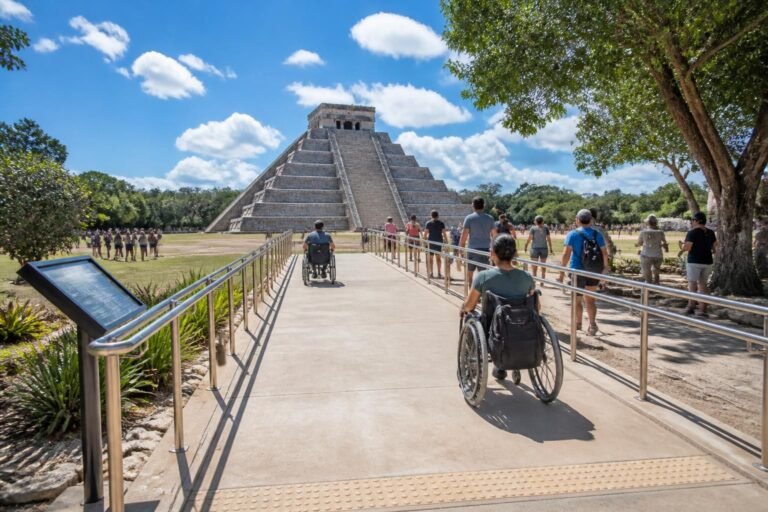
Deep within the archaeological wonder, the towering El Castillo pyramid dominates the scene, a quintessential symbol of Mayan architectural genius. Early morning visits enhance this spiritual experience, offering moments of serenity before the influx of visitors. Complementing Chichen Itza is Ek Balam, a less-touristed site where visitors can climb the Acropolis pyramid and admire detailed stucco friezes depicting Mayan mythologies, granting a quieter but equally profound connection to the region’s heritage.
Winding from the ruins, the yellow city of Izamal invites a different pace. Known as the “Yellow City” due to its uniformly painted ochre buildings, it boasts colonial and pre-Hispanic influences, centering around the massive Franciscan monastery constructed atop a Mayan pyramid base. Horse-drawn carriage rides allow visitors to soak up the tranquil ambiance and learn about the town’s spiritual ties and colonial history.
Heading west, the bustling city of Merida contrasts with the quietude of Izamal but offers its own historical and cultural treasures. Merida’s markets, colonial architecture, and museums provide insight into contemporary Yucatan life and longstanding traditions. This city also serves as a base for discovering more remote luscent cenotes and exploring vibrant Mayan crafts and culinary arts.
Adding depth to the trip are stops like Campeche, famed for its colorful historic center with preserved fortifications and a commitment to showcasing Mexico’s coastal colonial past. The city’s walkable walls and museums underscore the region’s defense against pirates and colonial conflicts, enriching the historical context of the road trip beyond the Mayan ruins.
Suggested cultural sites and ruins itinerary highlights:
| Location | Main Attraction | Experience |
|---|---|---|
| Valladolid | Cenote Oxman, Cenote Suytun | Cenote swimming, colonial town exploration |
| Chichen Itza | El Castillo, Great Ball Court | Early morning archaeological site access |
| Ek Balam | Acropolis pyramid | Climbing, detailed Mayan frescos viewing |
| Izamal | Franciscan monastery | Horse carriage tours, colonial architecture |
| Merida | Markets, museums, salsa bars | Cultural immersion, crafts shopping |
| Campeche | Historic walls, museums | Walking tours, colonial history |
Those interested in in-depth archaeological tours can consider guided options departing from Playa del Carmen, complementing their self-drive itinerary with expert insight into the region’s most significant historical sites. For perspectives on cultural richness beyond the central Yucatan, a visit to archaeology tours around Playa del Carmen enhances understanding of coastal Mayan legacies.
Exploring natural wonders along the Yucatan self drive route
The Yucatan Peninsula is characterized by its extraordinary karst landscape, featuring countless cenotes – natural freshwater sinkholes unique to the area. These provide refreshing opportunities to swim, snorkel, or dive amidst tranquil, crystal-clear waters that are often shaded by lush jungle canopies. Among them, some of the most remarkable cenotes are easily accessible during a self-drive journey and offer reprieve after immersing in historical sites.
Cenote Oxman near Valladolid is a must-visit for its versatility and beautiful setting, featuring a rope swing for the adventurous and gentle steps for a relaxed swim. This cenote embodies the adventure travel spirit prevalent in the Yucatan self drive experience.
Some cenotes, like Cenote Suytun, are photogenic marvels popular on social media for their spectral lighting and water reflection, created by a piercing natural skylight and stone platform in the center. Though less ideal for swimming due to shallow waters, they still provide unique photographic opportunities to capture the natural beauty intertwined with cultural heritage.
More secluded cenotes such as Canunchen and Tres Oches, found close to Merida, present a darker, cavernous environment with varied depth and exploration opportunities such as rope swings, platforms for diving, and stunning stalactites. For diving enthusiasts, the Yucatan is a well-known destination, featuring spots like the nearby island of Cozumel famed for vibrant coral reefs and marine life, ideal for combining historical exploration with aquatic adventure.
Beyond cenotes, the Yucatan offers significant natural highlights, such as the Bacalar Lagoon, known as the Lagoon of Seven Colors for its wondrous blue hues. Sailing or kayaking here complements the road trip by blending relaxation with stunning scenery. Visitors are encouraged to partake in local boat tours that navigate lagoons, uncovering aquatic flora and fauna typical of the region while embracing the tranquility of the surroundings.
Adventurers and history lovers alike cherish that the route integrates these natural havens alongside Mexican ruins and lively urban centers, crafting an unparalleled exploration experience. Combining cultural depth with natural beauty ensures the Yucatan self drive to Chichen Itza is more than a sightseeing tour – it is a journey into Mexico’s beating heart.
Insider recommendations for an unforgettable car rental and road trip adventure in Yucatan
Embarking on a self-drive tour through Yucatan begins with selecting the right car rental and crafting a methodical itinerary tailored to individual interests and timing. Notably, starting the journey in Cancun is common due to its major international airport and accessibility to rental services, setting off travelers either east toward Riviera Maya or south to the archaeological heartland.
When choosing a vehicle, factors such as climate, road type, and group size influence the choice – compact cars offer fuel efficiency on paved highways, while mid-sized SUVs offer better comfort for shoulder travel and detours to remote and rugged sites. Always confirm that insurance includes liability and roadside assistance for stress-free travel.
Well-designed itineraries incorporate key stops and highlight options for day trips or extended stays at cultural and natural destinations. For example, spending nights in Valladolid enables early morning access to Chichen Itza, while Merida and Campeche provide dynamic urban experiences with markets, museums, and nightlife embedded in Mayan culture.
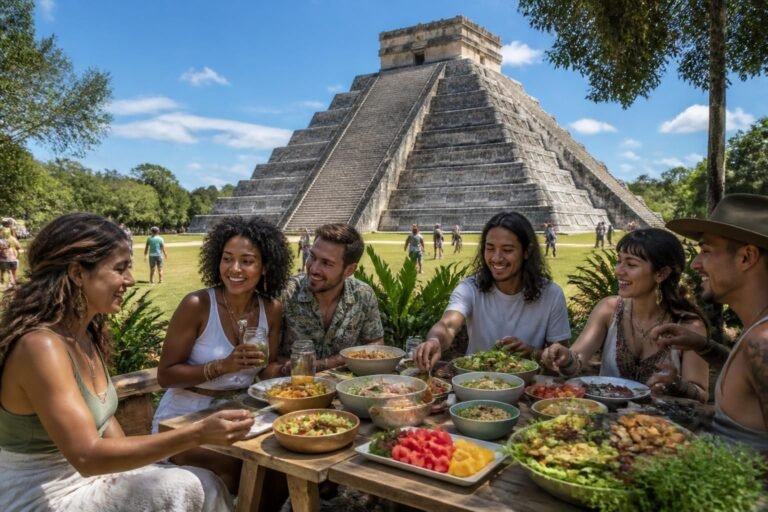
Local food exploration enriches the road trip, featuring specialties such as “cochinita pibil”, a slow-roasted, seasoned pork delicacy integral to Yucatan cuisine. Sampling regional dishes at small-town eateries or vibrant public markets rewards those who embrace culinary adventure. Evenings in Merida’s lively bars and plazas offer a chance to enjoy mezcal, salsa music, and warm hospitality, fully embracing Mexican cultural values.
Finally, combining the road trip with boat excursions, like those on Bacalar Lagoon or snorkeling trips off Cozumel, diversifies the adventure travel experience. Strategic planning optimizes driving times to avoid peak heat and traffic, with a rule of thumb: visit ancient ruins early in the morning and cool off in cenotes during the afternoon.
Essential summary of the ultimate Yucatan self drive highlights to Chichen Itza
- Freedom of exploration: A self-drive allows stopping at hidden gems unavailable to group tours, for an authentic experience.
- Early access advantage: Staying overnight near Chichen Itza allows arrival at opening time, discovering ruins before crowds arrive.
- Safety and preparation: Mandatory liability insurance, understanding road signs, and local assistance services ensure secure travel.
- Cultural depth: Visits to colonial towns like Valladolid, Izamal, and Merida add layers of historical and modern Mayan culture.
- Natural wonders: Multiple cenotes, the Bacalar Lagoon, and coastal diving offer unforgettable scenic and aquatic experiences.
- Food & nightlife: Sampling local dishes and enjoying vibrant evening entertainment enriches the overall travel experience.
Is driving in the Yucatan Peninsula safe for tourists?
Yes, driving in the Yucatan is generally safe, especially on the main highways and popular tourist routes. Renters must ensure they purchase liability insurance and are cautious around speed bumps (topes) and local driving customs.
How many days are ideal for a Yucatan self drive to fully enjoy Chichen Itza and nearby sites?
A 7-day itinerary covers principal historical sites and key towns comfortably, though 14 to 21 days provide an in-depth and leisurely exploration of cultural and natural highlights across the peninsula.
What are some must-visit cenotes along the Yucatan self drive route?
Cenote Oxman near Valladolid, Cenote Suytun for photography, and Cenote Canunchen near Merida are highly recommended for their unique features ranging from rope swings to atmospheric caverns.
Where is the best place to book a car rental for a Yucatan self drive?
Cancun is the most convenient location to pick up car rentals due to its international airport and diverse vehicle options. Booking ahead guarantees availability and better pricing.
Are there guided tours available if I want to complement my self drive experience?
Absolutely. Many guided tours are offered from Playa del Carmen and other hubs, focusing on Chichen Itza and surrounding ruins, combining historical insight with convenience.