
Exploring the archaeological wonders near Playa del Carmen offers travelers a unique opportunity to immerse themselves in the cultural heritage of the ancient Maya civilization. This vibrant coastal city is far more than a gateway to beautiful beaches; it serves as a hub for historical exploration, welcoming visitors to engage deeply with excavation sites and ancient ruins that narrate the story of a remarkable people whose legacy remains alive through the land. The Yucatán Peninsula, where Playa del Carmen is located, is peppered with stunning sites that showcase the Maya’s architectural ingenuity and their profound connection to nature and astronomy. Each site tells a story of power, spirituality, and community that once thrived in this lush region.
For travelers in search of immersive tours, the region provides countless options that blend archaeological adventure with cultural enrichment. From the iconic ruins perched above the shimmering Caribbean Sea to the hidden pyramids nestled within dense jungle, these tours invite visitors to walk the paths once traveled by Maya priests, rulers, and artisans. Engaging with these archaeological sites not only reveals ancient construction marvels but also offers insights into the rituals and social structures that shaped a civilization renowned for its scientific advancements. Understanding this history enriches any visit and sparks a deeper appreciation for both the past and the present of Playa del Carmen.
Key highlights of archaeological tours around Playa del Carmen:
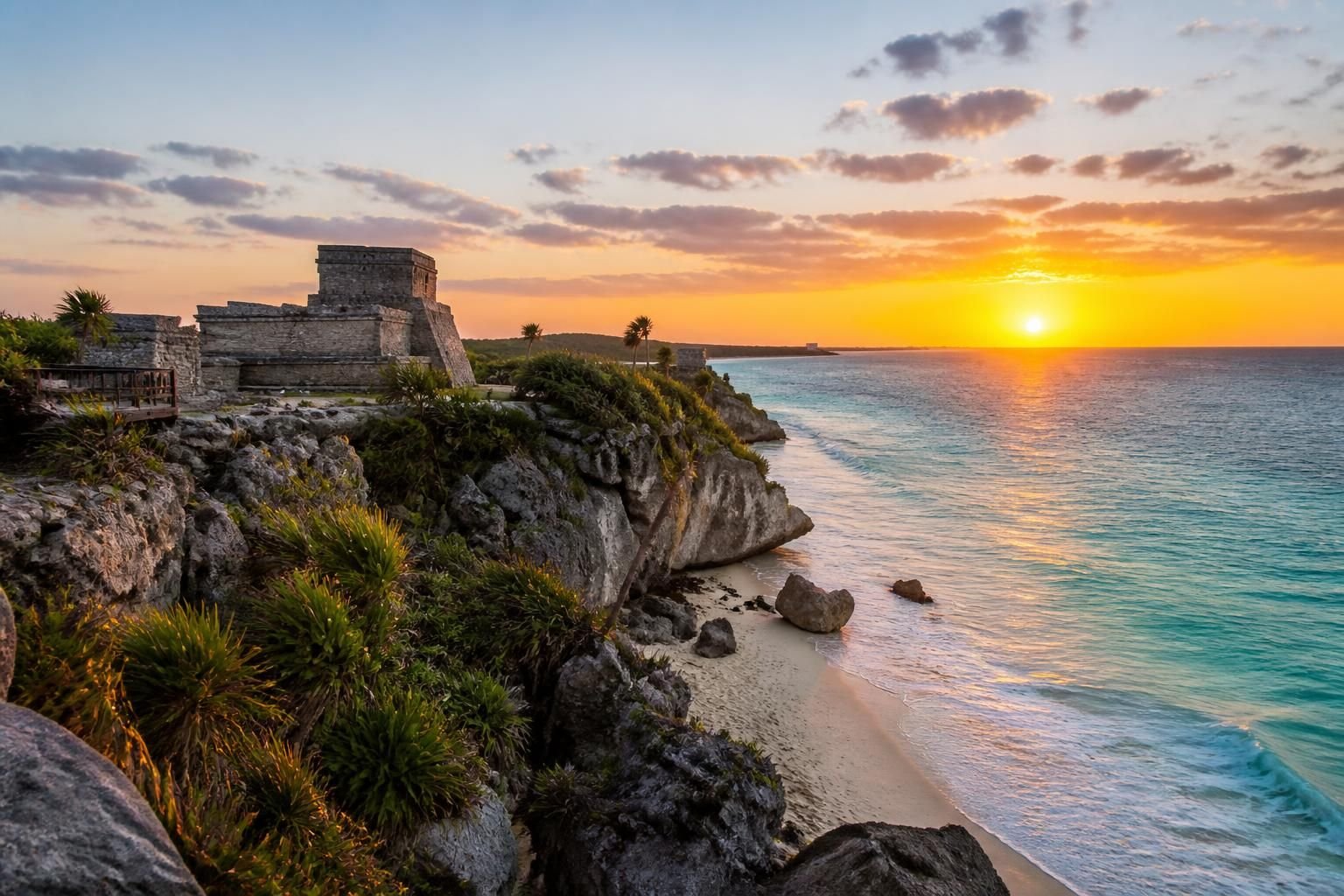
- Experience breathtaking views from cliff-top sites like Tulum Ruins, where the sea and history intertwine.
- Discover the mysteries of Coba’s jungle-hidden pyramids, including a climbable 42-meter structure offering panoramic vistas.
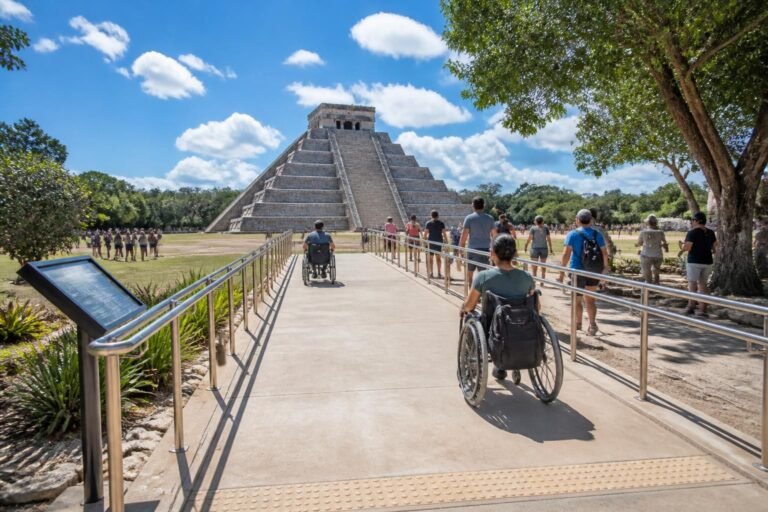
- Visit the grand Chichen Itza site, recognized as one of the New Seven Wonders of the World, featuring the iconic El Castillo pyramid.
- Explore lesser-known gems such as Ek Balam, where intricate carvings and quieter ruins provide a reflective visit.
- Swim in sacred cenotes, natural sinkholes revered by the Maya, that connect visitors spiritually and physically to the ancient world.
Unveiling the Archaeological Treasures of Playa del Carmen: A Historical Exploration
Playa del Carmen’s environs are renowned for their archaeological richness, offering visitors unparalleled access to some of Mexico’s most significant Maya ruins. These excavation sites serve not just as tourist attractions but as cultural landmarks that bring to life the ancient world etched in stone and surrounded by jungle and sea. Travelers exploring these sites engage in a form of historical exploration that combines education with awe, stepping through structures that have witnessed centuries of change.
One cannot discuss the archaeological sites near Playa del Carmen without highlighting Tulum, an ancient port city uniquely positioned on a cliff overlooking the turquoise Caribbean waters. Originally functioning as an important trading hub during the late Postclassic period, Tulum’s fortified walls protected its inhabitants in an era marked by conflict and environmental adaptation. Visitors who venture here can wander through temples adorned with murals and sculptures, and understand how maritime commerce influenced Maya culture.
Further inland lies Coba, a sprawling site enveloped by the jungle, offering a stark contrast to the coastal Tulum ruins. Known for the towering Nohoch Mul pyramid — the tallest in the Yucatán Peninsula — Coba is distinct for its less excavated and more mysterious feel. Many tourists opt to climb the pyramid, rewarding themselves with sweeping views of the surrounding forest canopy, where the humid air is thick with the stories of rituals and everyday life from centuries ago. This blend of natural landscape and man-made marvel underscores the Maya’s harmonious relationship with their environment.
The unparalleled Chichen Itza is a short journey from Playa del Carmen but deserves special mention due to its global importance. As one of the most elaborately preserved Mayan cities, Chichen Itza’s presence in a tour itinerary is a cultural immersion within a grand design of astronomy and artistry. The pyramid of Kukulkan, often called El Castillo, stands as a symbolic centerpiece, its shadows engaging in celestial dances during equinoxes. Exploring Chichen Itza allows visitors to witness diverse architectural styles and the cultural syncretism that marked the site.
Immersive Archaeology Tours Near Playa del Carmen: Navigating Ancient Mayan Civilization
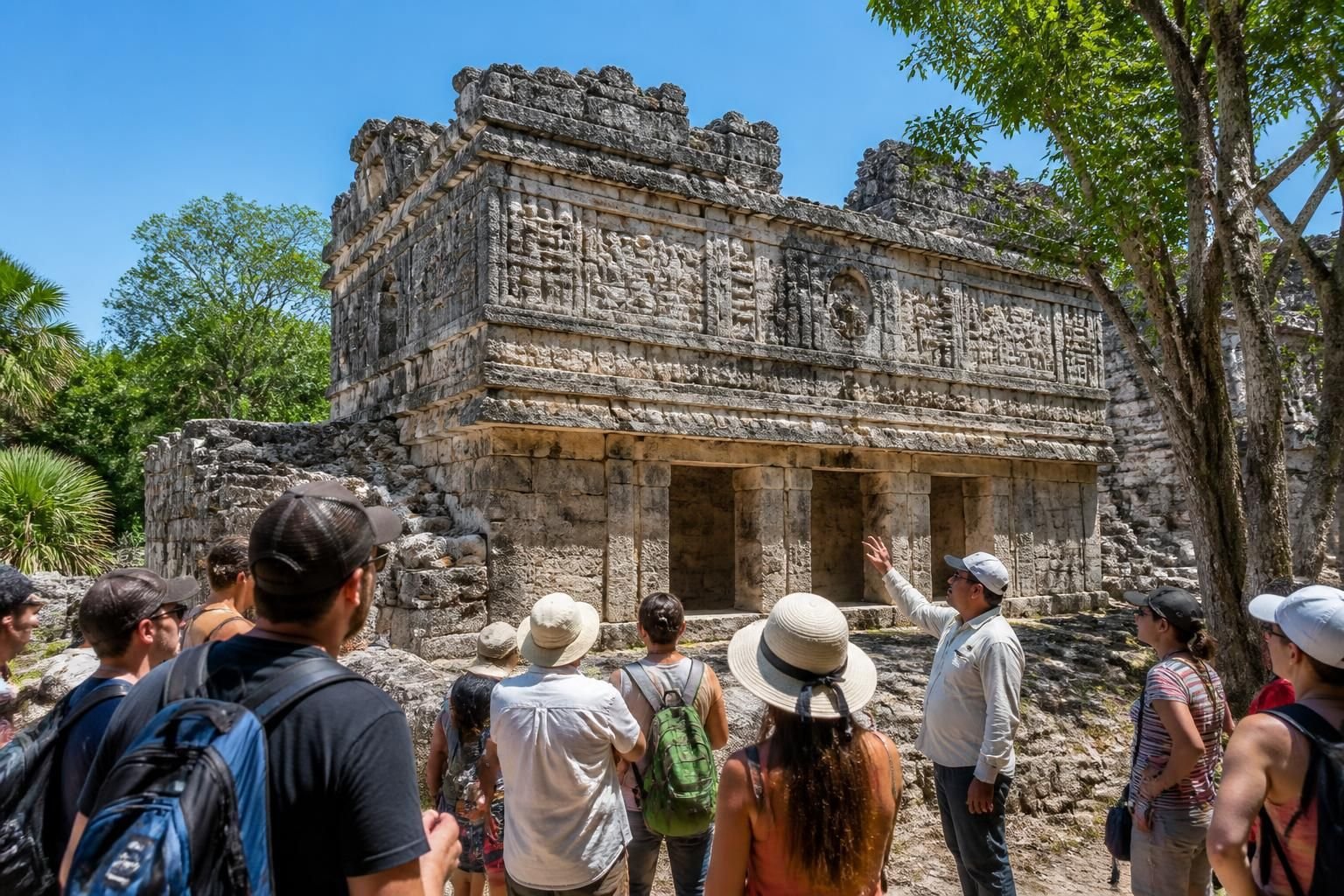
Archaeology tours departing from Playa del Carmen are carefully crafted experiences that blend adventure with education, providing travelers with a detailed understanding of the Maya civilization’s complexity. These tours often include expert guides who explain the significance of the ruins, helping visitors decode hieroglyphs, capture the architectural ingenuity, and appreciate the social and religious functions of the various structures.
Booking an archaeology tour often reveals lesser-known facets of the sites. For example, in Ek Balam, visitors discover intricate stucco sculptures depicting mythological creatures, which highlight ritualistic practices now nearly lost to time. The ability to climb the structures and physically interact with the ruins furthers a connection between modern-day explorers and ancient inhabitants. These tours encourage an anthropological curiosity, pushing beyond the surface to explore how the Maya interacted with their environment and developed complex societal infrastructures.
Another fascinating element of these tours is the chance to visit sacred cenotes, such as those at Tulum and Chichen Itza. These natural sinkholes served not only as crucial water sources but were also central in Mayan religious rites, including offerings and sacrifices to deities believed to govern the underworld. Swimming in some cenotes today connects visitors with these sacred customs, facilitating a tangible experience that links past and present within these serene, mystical pools.
To maximize the archaeological experience, many travelers recommend selecting tours during the cooler seasons or early mornings to avoid crowds and heat, particularly at the iconic Chichen Itza site. Several resources provide extensive guidance on choosing the best tour options, including this overview of Chichen Itza excursions from Playa del Carmen that helps tailor a memorable and seamless historical exploration.
Ancient Ruins and Cultural Heritage: The Role of Archaeology in Understanding Mayan History
Archaeological sites around Playa del Carmen are essential to unraveling the sophisticated history of the Maya and their enduring influence on Mexican cultural heritage. Each excavation site provides a window into the past, revealing how the Maya skillfully integrated astronomy, agriculture, and religion into their daily lives. The layout and construction of temples, ball courts, and observatories demonstrate a precise knowledge of celestial events, underpinning the society’s spiritual beliefs and political power.
The architectural grandeur of sites like Chichen Itza — designated as a UNESCO World Heritage site — illustrates the Maya’s impressive technical capabilities. El Castillo’s alignment with the sun’s equinox shadows exemplifies their advanced understanding of astronomy. Additionally, the presence of ball courts at various sites indicates the importance of ritual games, which combined sport, politics, and religion in one.
Preserving these archaeological sites is crucial not only for historical study but also for supporting cultural tourism, which contributes significantly to the local economy. Tourist visits foster awareness and appreciation for Mayan culture, providing livelihoods for guides, artisans, and local communities dedicated to protecting their heritage. Cultural heritage tours often blend archaeological visits with opportunities to experience traditional Maya crafts, cuisine, and ceremonies, creating a holistic appreciation of the living legacy inside these ancient landmarks.
Exploring Maya archaeology in Playa del Carmen aligns history enthusiasts with a timeline that extends millennia, offering compelling insights into an ancient civilization that continues to shape the identity of this region. More details about the broader Mayan legacy can be found through expert resources such as the comprehensive history guides available here, which articulate the evolution of Maya society and its lasting global importance.
The Essentials of Planning Archaeology Tours in Playa del Carmen: When to Visit and What to Expect
Planning an archaeology tour from Playa del Carmen requires a blend of logistical insight and curiosity-driven enthusiasm. Selecting the right time to visit is key—typically the dry season from late November to April offers optimum weather conditions for exploring the numerous excavation sites without interruptions from rain or excessive humidity. Early mornings are especially recommended to experience the sites in pleasant temperatures and enjoy the soft morning light for photography.
Tour itineraries vary, ranging from half-day visits to all-day immersive experiences that may include multiple archaeological sites along with cultural activities. For example, a day trip to Chichen Itza often incorporates guided explorations of the central pyramid, ball courts, and sacred cenotes, while a comprehensive tour might also visit local villages to observe traditional crafts and cuisine. Many providers customize tours to suit different travelers’ preferences and mobility levels, ensuring access to both popular and off-the-beaten-path ruins.
Accommodations nearby the archaeological zones are also an important consideration. Playa del Carmen itself offers a range of stays from luxury resorts to boutique hotels, while smaller towns closer to the sites provide intimate and culturally immersive lodging. When booking tours, travelers often appreciate options that bundle transportation, entrance fees, and meals for convenience and value. This comprehensive approach enhances the experience by allowing visitors to focus entirely on their historical exploration.
| Site Name | Location | Main Features | Tour Highlights |
|---|---|---|---|
| Tulum Ruins | Coastline overlooking Caribbean Sea | Walled city, Temple of the Frescoes, El Castillo | Seaside cliffs, coastal views, well-preserved walls |
| Coba | Jungle interior | Nohoch Mul Pyramid, ancient roadways (sacbeob) | Climbable pyramid, jungle trekking |
| Chichen Itza | Inland Yucatán Peninsula | El Castillo pyramid, ball court, Sacred Cenote | UNESCO heritage, astronomical alignment |
| Ek Balam | 2 hours from Playa del Carmen | Acropolis pyramid, stucco sculptures, frescoes | Climbable ruins, intricate carvings |
| Xcaret | Eco-archaeological park near coast | Temples, ball court, Mayan city remains | Cultural demonstrations, nature interaction |
Essentials for choosing a memorable archaeological tour:
- Consider tours led by knowledgeable guides to gain a deeper understanding of Mayan culture.
- Look for options that integrate cultural heritage experiences alongside site visits.
- Opt for tours during off-peak times to avoid large crowds and preserve a personal connection.
- Ensure appropriate comfortable clothing and hydration for jungle or rooftop excursions.
- Include sacred cenote visits for a holistic experience of ancient Mayan spirituality.
Frequently sought insights on archaeology tours around Playa del Carmen
What is the best time of year to take archaeology tours near Playa del Carmen?
The dry season, from late November through April, generally offers the most comfortable weather for exploring archaeological sites, with less rainfall and moderate temperatures ideal for outdoor activities.
Can visitors climb Mayan pyramids at archaeological sites around Playa del Carmen?
While some sites like Coba and Ek Balam allow climbing certain structures, others such as Chichen Itza have restrictions to preserve the ruins. Visitors should always follow site regulations and guidelines provided by tour operators.
Are guided tours recommended for visiting Mayan ruins near Playa del Carmen?
Guided tours are highly recommended as experts share valuable cultural and historical context, enriching the visitor experience with stories and insights that self-guided visits may not provide.
How do cenote visits complement archaeology tours in the region?
Cenotes were sacred to the Maya, serving as water sources and ceremonial sites. Visiting cenotes during archaeology tours offers a unique blend of natural beauty and cultural reverence, making the history more tangible.
Where can guests find trusted resources for planning their archaeology tours?
Reliable information and tour recommendations can be found on specialized platforms such as explore the ancient Mayan ruins on a Yucatan tour, ensuring well-organized and authentic experiences.