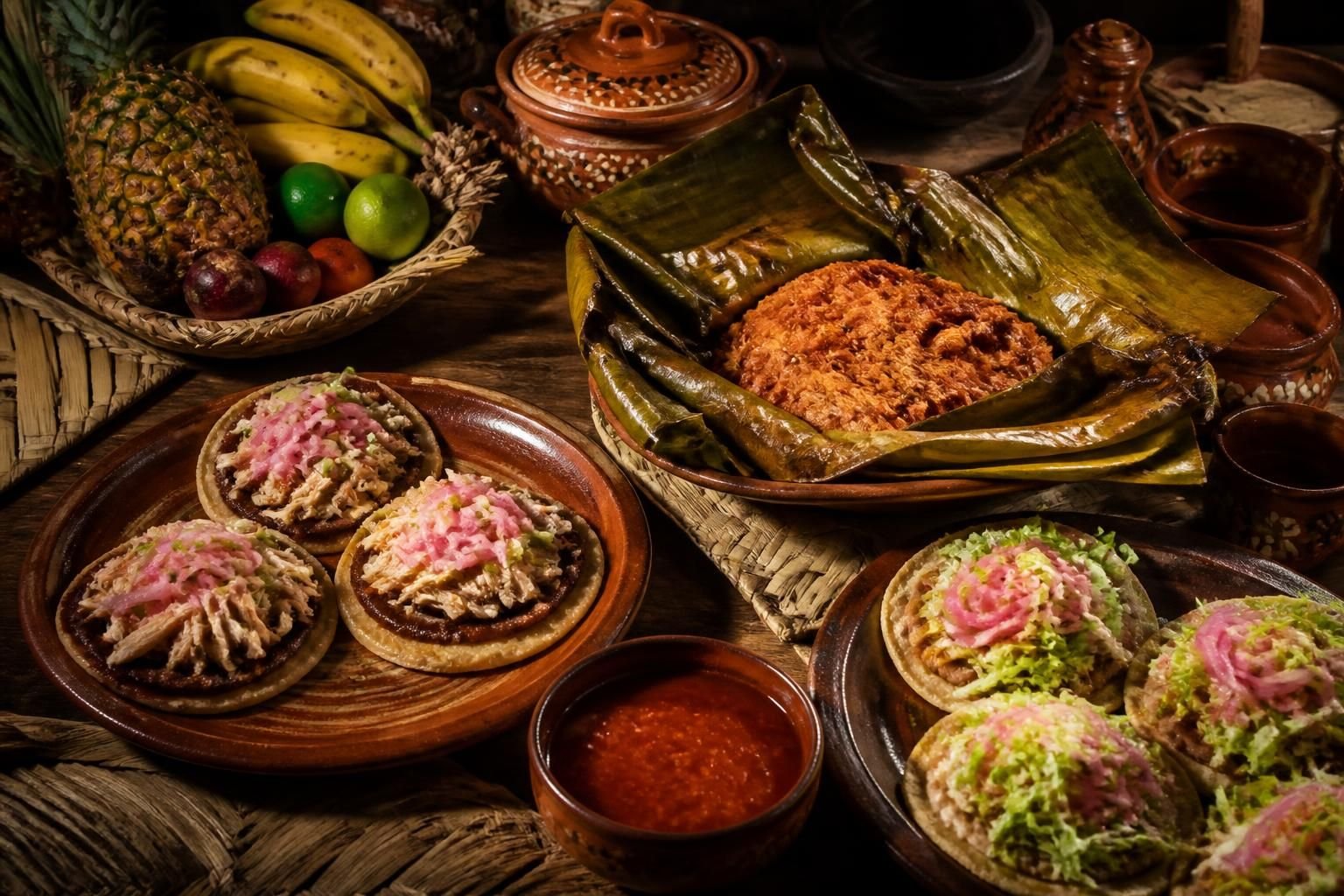

Yucatecan cuisine stands as a vibrant culinary mosaic reflective of its rich Maya heritage interwoven with Spanish and Caribbean influences. The Yucatán Peninsula offers a sophisticated palette marked by its distinctive use of regional ingredients, traditional cooking techniques, and bold Yucatecan spices, crafting flavors that are both historic and exuberantly contemporary. Beyond the typical expectations of Mexican dishes, this regional cuisine surprises visitors with enchanting preparations that encompass slow-cooked meats, tangy citrus notes, and a distinctive achiote-based seasoning that colors and flavors many of its signature fare.
For travelers seeking to indulge in authentic tastes, understanding this culinary landscape enhances the experience. Familiar dishes such as cochinita pibil and poc chuc exemplify the harmonious fusion of culture and local produce, while homemade tortillas and traditional Mayan recipes ensure each meal carries the weight and wonder of centuries-old traditions. Whether exploring vibrant markets in Mérida or savoring street food in Valladolid, the Yucatán offers a gastronomy that invites both discovery and delight.
Key Highlights of Yucatecan Culinary Traditions:
- The integration of indigenous ingredients like corn and black beans with Spanish-introduced pork and citrus fruits.
- Mastery of slow-roasting techniques such as those used in pibil cooking, which infuse meats with deep, complex flavors.
- The use of achiote paste and Seville orange as defining elements that distinguish Yucatecan dishes.
- A variety of classic dishes like panuchos, salbutes, and sopa de lima, each with unique preparation and flavor profiles.
- Availability of vegetarian and vegan-friendly meals such as papadzules, serving a broad dietary spectrum.
- The sweet finale with traditional drinks and desserts including xtabentún and marquesitas.
The Cultural Roots Behind Traditional Yucatecan Food
Yucatecan cuisine is a compelling testimony to the region’s historical layers, where indigenous Mayan practices converge with the influences of Spanish colonization and Caribbean proximity. The culinary fabric here is deeply embroidered with Mayan staples—corn, beans, and chili peppers—that have been integral to local diets for millennia. The arrival of the Spanish in the 16th century added newly introduced elements like pork, citrus fruits, and a new set of spices, which reshaped Yucatán’s gastronomic identity.
One can observe this cultural amalgamation in the way traditional dishes are prepared, preserving ancient methods such as cooking in earthen pits, alongside ingredients from transplanted ecosystems. For instance, pibil-style cooking, where pork is marinated with achiote paste and sour orange juice before being enclosed in banana leaves and slow-roasted underground, demonstrates this synthesis elegantly.
The inclusion of Caribbean flavors is seen through the frequent use of fresh seafood varieties and tropical fruits, making Yucatecan food a crossroads of regional ingredients and culinary heritage. Unique to this region is the habanero chili—one of the hottest peppers globally—which adds its signature fiery profile to various dishes, encapsulating the bold spirit of Yucatecan cuisine.
Understanding these historical dimensions enriches the appreciation of dishes like cochinita pibil, sopa de lima, and pan de cazón, revealing the multifaceted stories locked within every bite.
Staples and Signature Flavors: The Quintessence of Yucatecan Cuisine
Central to Yucatecan cuisine’s distinctive character are its regional ingredients and traditional cooking methods that together create its unmistakable flavors. Corn remains a fundamental element, transformed into soft homemade tortillas or crispy panuchos, which are fried tortillas stuffed with black beans and topped with meats or vegetables.
Beans of the black variety provide nutritional balance and are often served refried or as a hearty stew. Equally vital are various chili peppers, particularly the habanero, whose intense heat punctuates many recipes, balanced with the bright tartness of Seville orange, a citrus native to Spain but now integral to regional gastronomy.
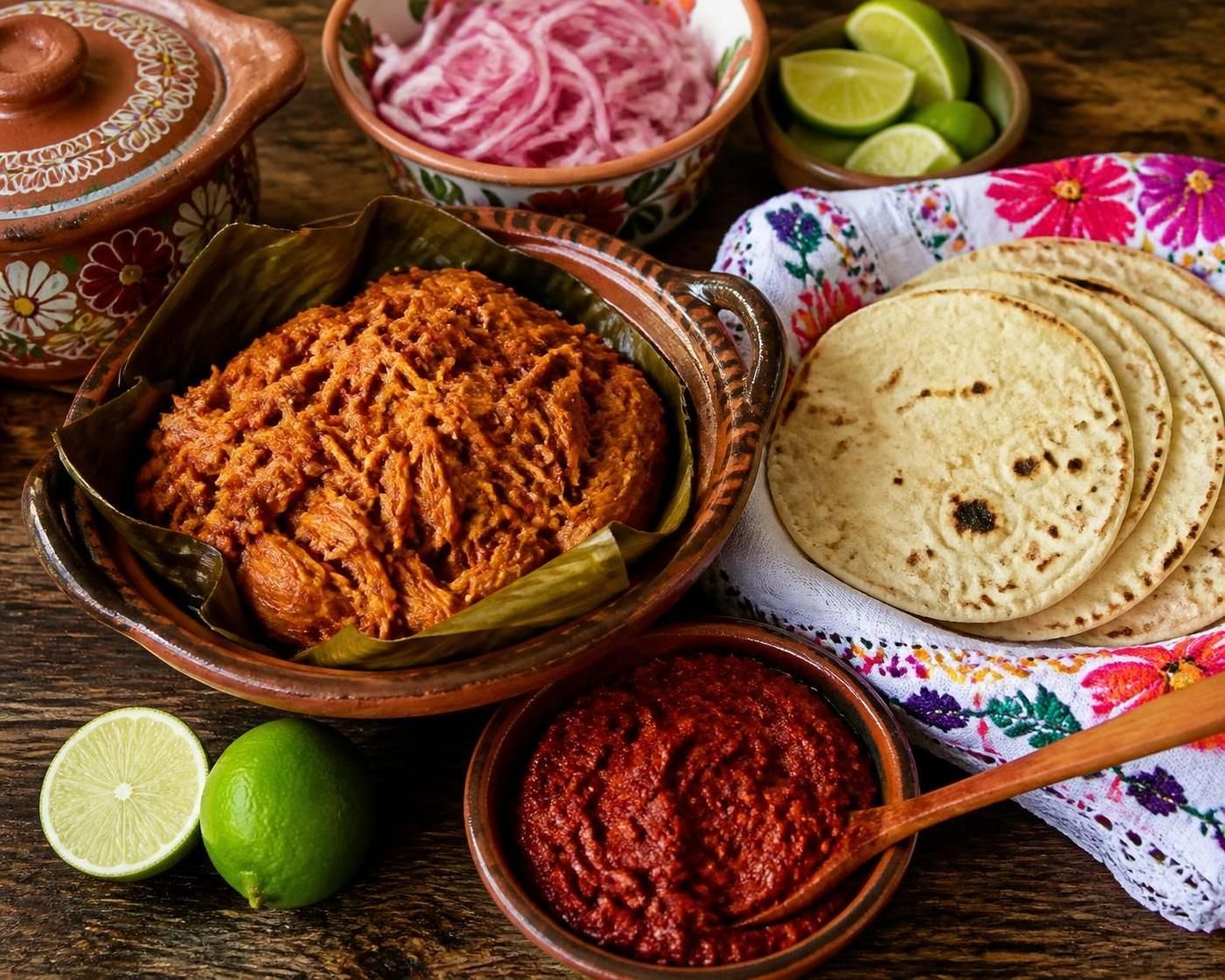
A hallmark ingredient is achiote, a red paste derived from annatto seeds that imparts an earthy, slightly peppery flavor alongside a vivid red hue to countless dishes. This paste is especially critical in the preparation of classic dishes such as the slow-cooked cochinita pibil and the marinated grilled pork called poc chuc. The combination of achiote with sour orange juice creates a uniquely Yucatecan flavor profile that is simultaneously vibrant and tangy.
This flavor duo, paired with traditional cooking techniques like the subterranean baking pit (“pib”), exemplifies the blending of indigenous culinary wisdom with colonial introductions. Even beverages reflect this blend: Agua de naranja agria, a refreshing drink made from sour oranges, complements spicy meals perfectly.
Below is a table illustrating essential regional ingredients and their culinary applications:
| Ingredient | Description | Common Yucatecan Dishes |
|---|---|---|
| Achiote (Annatto) | Red paste with earthy, tangy flavor | Cochinita pibil, poc chuc, tamales |
| Seville Orange (Sour Orange) | Tart citrus used in marinades and sauces | Cochinita pibil, chiltomate salsa, Agua de naranja agria |
| Habanero Chili | Extremely spicy pepper native to the region | Salbutes, panuchos, salsas |
| Corn (Maize) | Base for tortillas, tamales, and other staples | Homemade tortillas, tamales, sopa de lima |
| Black Beans | Rich protein source, often refried or stewed | Salbutes, pan de cazón, frijoles refritos |
Signature Dishes Showcasing Classic Flavors and Preparation
Several dishes represent the cornerstone of Yucatecan traditional food and provide a window into the region’s culinary artistry. A dish to savor is the famed cochinita pibil, pork marinated in achiote and sour orange juice, wrapped in banana leaves, and slow-roasted in the ground. This preparation results in tender, aromatic meat bursting with complex layers of flavor. Often enjoyed in tacos or paired with pink pickled onions, it is a must-try for those seeking authentic regional tastes.
Poc chuc, another pork-centric recipe, involves grilling the meat after a sour orange and achiote marinade. It offers a contrasting texture and smoky flavor compared to the slow-cooked pibil. Accompanied by chiltomate sauce, beans, and avocado, this dish is emblematic of Yucatecan culinary balance.
For seafood enthusiasts, the tikinxic dish highlights the region’s Caribbean influence, featuring marinated red snapper grilled in banana leaves. Additionally, pan de cazón layers fried tortillas with seasoned shark meat and beans, baked with tomato sauce and cheese; a layered delight with subtle spiciness.
Street foods such as panuchos and salbutes present fried tortillas either stuffed or topped with savory ingredients like refried beans, shredded turkey, and fresh vegetables. Their crunchy texture balanced with spicy habanero salsa makes them popular snacks for locals and tourists alike.
These dishes reflect the essence of Yucatecan spices and regional ingredients, offering an immersive taste experience. Travelers visiting the area can explore these iconic foods in Mérida or Valladolid, where vibrant markets and eateries honor these culinary traditions. When planning excursions around the region – for instance, a day trip from Mérida to Chichen Itza – these local specialties provide both sustenance and cultural insight. For more information on exploring the region’s highlights, visitors may find this comprehensive guide to Chichen Itza tours from Mérida illuminating.
Vegetarian and Sweet Delights: Expanding the Yucatecan Culinary Horizon
While Yucatecan cuisine is renowned for its robust meat dishes, vegetarians and vegans will find thoughtfully crafted options that honor the region’s flavors without compromise. Papadzules stand out as an inviting dish of boiled eggs enveloped in corn tortillas bathed in a creamy pumpkin seed sauce, topped with tomato sauce infused with habanero chile, lending a rich and tangy profile reminiscent of Mayan recipes.
Likewise, salbutes and panuchos can be prepared with vegetable toppings, appealing to those who prefer plant-based meals.
Sweet finishes are deeply embedded in Yucatán dining culture. The liqueur xtabentún is a regional specialty made with anise and fermented honey, offering a fragrant, herbal digestif after meals. Marquesitas, crispy rolled crepes filled with melted cheese and sweet spreads such as caramel or Nutella, have garnered popularity as delightful street desserts.
For culinary travelers eager to dive deeper into local food culture, joining a food tour or cooking class is highly recommended. These experiences allow visitors to engage hands-on with cooking techniques, ingredient sourcing, and the stories behind each recipe. For exploration beyond the kitchen, tours to Chichen Itza often pair historic site visits with local food sampling, enhancing appreciation of the area’s heritage. Useful information on the best food tours can be found in curated guides like this recommended Chichen Itza tour from Playa del Carmen.
Where to Experience Authentic Yucatecan Cuisine and Culinary Culture
The state capital, Mérida, serves as the epicenter for authentic Yucatecan traditional food. Its bustling markets and diverse eateries provide an extensive range of dishes, showcasing the best use of regional ingredients and time-honored recipes. Beyond Mérida, towns like Valladolid and Izamal boast local dining establishments where intimate settings offer freshly prepared specialties like lomitos de Valladolid and home-style tamales.
Visitors interested in educational experiences should not miss the Museo de la Gastronomía Yucateca (MUGY) in Mérida, which illuminates the region’s culinary history, including ancient Mayan influences and distinctive Yucatecan spices. The museum’s adjoining restaurant offers an excellent environment to taste genuine dishes while learning about their origins.
The region also hosts numerous food festivals throughout the year, celebrating traditional cooking and enabling visitors to partake in culinary traditions firsthand. Additionally, exploring local street food is a culturally immersive option that highlights everyday favorites and striking flavor combinations.
Given the proximity of world-famous archaeological sites like Chichen Itza, many travelers blend gastronomic exploration with cultural tours. Combining visits to these historic landmarks with regional food tastings can be made seamless by selecting curated tour packages that integrate both experiences. Discovering Mayan ruins and cuisine on a Yucatan Peninsula tour is an immersive approach to understanding how food and history intermingle in this unique Mexican region.
What makes Yucatecan cuisine distinct from other Mexican regional cuisines?
Yucatecan cuisine is distinguished by its heavy Mayan influence combined with Spanish and Caribbean elements, use of unique ingredients like achiote and Seville orange, traditional cooking methods such as pibil (pit roasting), and the prominence of classic dishes like cochinita pibil and sopa de lima.
Which local spices are essential in traditional Yucatecan cooking?
Achiote paste and habanero peppers are crucial spices in Yucatecan cuisine. Achiote provides a characteristic red color and earthy flavor, while habanero introduces an intense heat distinctive to the region’s dishes.
Are there vegetarian options in Yucatecan cuisine?
Yes, classic vegetarian dishes such as papadzules and vegetable-topped panuchos and salbutes are widely enjoyed. Additionally, local markets often offer fresh fruits and plant-based meals that respect traditional flavors.
Where can travelers best experience authentic Yucatecan cuisine?
Mérida is renowned for its rich culinary scene, including street food stalls and traditional restaurants. Complementary visits to Valladolid and Izamal also present authentic dining experiences. Food tours and museums like the Museo de la Gastronomía Yucateca provide cultural and culinary immersion.
How can visitors combine Yucatecan food exploration with sightseeing?
Many tour operators design packages that include both visits to major sites like Chichen Itza and complementary culinary experiences, allowing travelers to discover the region’s history alongside sampling its traditional food.