Merida, the vibrant capital of Mexico’s Yucatán Peninsula, captivates with its unmatched charm and deep historical roots. Known for its unique blend of colonial and Maya architecture, this enchanting city stands as a testament to centuries of cultural fusion. As one of the safest cities in Mexico since 2015, Mérida invites travelers to explore its colorful streets, bustling markets, and majestic landmarks with peace of mind. Recognized as the world’s best small city by Condé Nast, its allure goes beyond mere aesthetics—offering visitors a rich tapestry of traditions, art, and gastronomy that reflects its vibrant cultural heritage and welcoming community.
For travelers eager to immerse themselves in authentic Yucatecan culture, Mérida offers a journey through history intertwined with modern life. From the grandeur of the Paseo de Montejo to the lively local festivals filled with music and dance, every corner of the city tells a story. The enduring influence of the henequén trade illustrates the city’s economic evolution, while the preservation of architectural marvels showcases a dedication to honoring its past. Surrounded by stunning natural landscapes and ancient Mayan ruins, Mérida’s unique identity resonates with a timeless allure that beckons discovery.
Unearthing Mérida’s Historical Foundations and Architectural Heritage
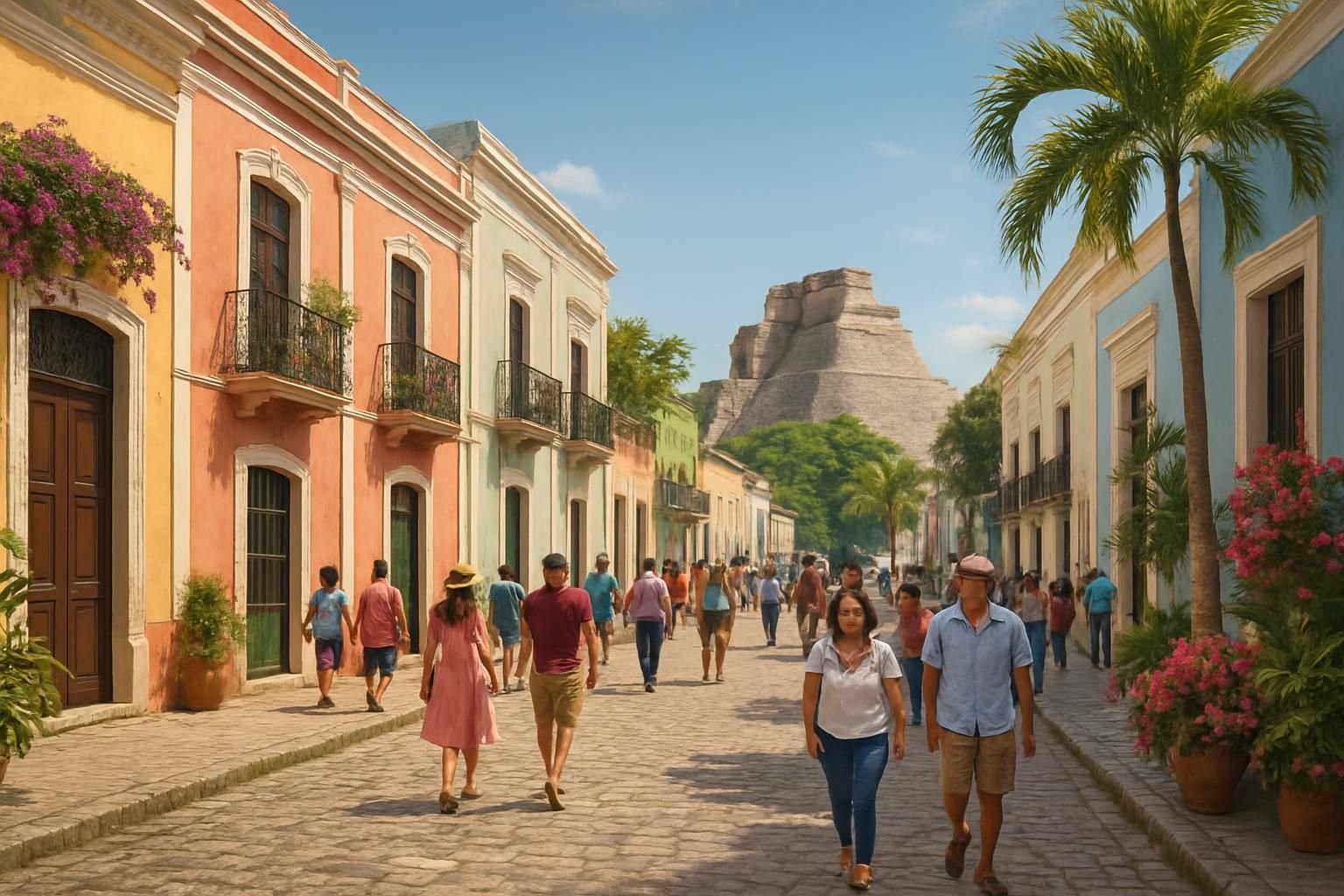
Founded in 1542 upon the site of the ancient Maya city of T’hó, Mérida’s history is layered with fascinating complexities. The Spanish colonizers strategically repurposed stones from Maya structures to construct the foundations of their new city, intertwining indigenous heritage with colonial ambitions. This powerful fusion is evident in Mérida’s architectural landscape, where grand cathedrals, ornate government buildings, and elegant colonial mansions stand as living artifacts of its storied past.
The city’s economic landscape flourished significantly during the 20th century with the henequén trade, a fiber derived from a native plant that elevated Mérida’s prosperity. This boom funded the construction of the impressive Paseo de Montejo boulevard, a tree-lined avenue inspired by Parisian designs, adorned with Victorian-style mansions built by wealthy French immigrants. These historical mansions, with their impressive façades and intricate ironworks, offer glimpses into the lifestyles of the henequén barons, enriching the city’s architectural heritage.
The distinctive colonial architecture in Mérida is characterized by its high ceilings, thick walls, and courtyards, thoughtfully designed to enhance airflow and comfort in the region’s tropical climate. The city’s plazas often reflect a blend of Mayan and European influences, serving as communal hubs that blend tradition with daily life. The Plaza Grande stands as a prime example, surrounded by historic landmarks like the Cathedral of San Ildefonso and the Palacio de Gobierno, each narrating chapters of the city’s multifaceted history.
The ongoing efforts to preserve Mérida’s rich architectural heritage are supported by institutions such as the Instituto Nacional de Antropología e Historia (INAH) and active community engagement. These collaborations ensure that restoration techniques honor traditional craftsmanship and materials, securing the longevity of these landmarks. This dedication plays a vital role in safeguarding Mérida’s unique identity, offering future generations a vivid window into the intertwined legacies of Maya and colonial civilizations.
Exploring the Vibrant Culture and Unique Traditions of Mérida
Mérida’s cultural fabric is a vibrant blend of Maya and colonial legacies, woven together by the warmth of its people and their enduring traditions. The city’s festivals are grand celebrations of its heritage, where age-old customs come alive through dynamic music, dance, and colorful parades. One of the most significant festivities is Hanal Pixán, the Day of the Dead, when beautifully adorned altars and marigold-filled streets illustrate the fusion of indigenous and Catholic beliefs, creating a moving tribute that resonates deeply with locals and visitors alike.
The city also embraces traditional dance forms that celebrate Yucatecan identity. The jarana, a spirited dance accompanied by local music, is a staple of public gatherings, inviting all to participate with clapping hands and vibrant steps that echo ancient rhythms. Artistic expression extends beyond the stage, with vibrant markets such as Mercado Lucas de Gálvez showcasing handmade crafts, textiles, and culinary delights that preserve and promote regional culture.
Mérida’s neighborhoods, each with its own distinct character, contribute to the city’s unique charm. The historic center thrives with colonial buildings interspersed with modern boutiques and galleries. Areas like Santa Ana and Santiago pulse with artisan workshops and traditional eateries, offering visitors an authentic experience of local life. The Paseo de Montejo boulevard, shaded by mature trees and lined with monumental homes, provides a picturesque venue for leisurely strolls and impromptu cultural encounters.
Local gastronomy is a treasure trove of Yucatecan flavors that reflect centuries of cultural synthesis. Dishes such as cochinita pibil—pork slow-cooked in achiote paste and sour orange—and sopa de lima, a tangy lime-infused chicken broth, showcase the region’s culinary uniqueness. Food markets burst with fresh produce and traditional street foods like salbutes and marquesitas, while restaurants ranging from cozy cafés to refined establishments offer diverse interpretations of local cuisine. Cooking classes provide immersive opportunities to master these dishes firsthand, deepening the connection to Mérida’s cultural essence.
Discovering Mayan Landmarks and Nearby Archaeological Wonders
Mérida’s unique place as the crossroads of colonial and Maya heritage offers unparalleled access to ancient sites that embody the region’s profound history. Just a short distance from the city, visitors can explore the towering pyramid of Chichen Itza, one of the New Seven Wonders of the World. This archaeological marvel astonishes with its precise astronomical alignments and intricate stone carvings, offering a captivating glimpse into Maya cosmology and architectural prowess. Insightful tours are available to navigate the site’s secrets, enhancing appreciation for its historical significance and spiritual depth. For detailed guidance, travelers can consult resources on how to visit Chichen Itza and select tips for an unforgettable experience.
Another must-visit site is Uxmal, renowned for its distinctive Puuc-style architecture and remarkable artistic embellishments. The Governors Palace and Pyramid of the Magician provide awe-inspiring examples of Mayan ingenuity and creativity. Exploring the graceful stone mosaics and corbeled archways reveals fascinating layers of cultural symbolism, while the serene ambiance invites reflection amid the towering ruins. Travelers interested in examining these architectural wonders in depth will find comprehensive information at an in-depth guide on Uxmal’s ancient ruins.
Closer to the city, Dzibilchaltún offers insight into everyday ancient Mayan life, featuring the evocative Temple of the Seven Dolls and the crystalline Cenote Xlacah, where visitors can experience the intersection of natural beauty and spiritual significance. These sites combined create a profound narrative of Mérida’s past, where culture and history harmoniously converge.
Cenotes scattered around Mérida continue this theme of natural wonder intertwined with tradition. These sinkholes with freshwater often served as sacred places and are celebrated in local rituals. Swimming or snorkeling in cenotes like Ik Kil or Samulá offers a uniquely refreshing encounter with the Yucatán’s geological heritage. This connection to nature enriches the city’s allure by complementing its urban and historical landscapes.
Leisure and Family-Friendly Activities amid Mérida’s Unique Environments
Mérida welcomes visitors with a wide array of leisure opportunities designed to charm visitors of all ages. Families, in particular, find numerous attractions that blend education with entertainment. The Gran Museo del Mundo Maya offers interactive exhibits that unravel the mysteries of the ancient Maya civilization, engaging young minds with hands-on displays and multimedia presentations. This immersive museum experience serves as a bridge to understanding the region’s fascinating cultural heritage.
Animal enthusiasts will enjoy the Animaya Zoo, a sanctuary showcasing exotic wildlife and offering guided tours that emphasize conservation and education. Children can encounter giraffes, big cats, and tropical birds through interactive feeding sessions, making this a memorable outing for the whole family.
For those seeking adventure, ecological parks such as Xcaret promise an exhilarating mix of natural beauty and cultural performances. Located a few hours from Merida, this park invites guests to explore underground rivers, snorkel in cenotes, and experience traditional Maya village recreations. The diverse activities and stunning landscape provide a comprehensive taste of the Yucatán environment beyond the city’s limits.
Additionally, Mérida’s pleasant climate and peaceful parks offer countless spots ideal for relaxation and social interaction. The city’s plazas and green spaces invite locals and travelers alike to share moments of leisure, reinforcing Mérida’s reputation as a welcoming, family-friendly destination rich in cultural riches and natural beauty.
| Activity | Location | Highlights | Ideal For |
|---|---|---|---|
| Gran Museo del Mundo Maya | Centro Histórico | Interactive Mayan History Exhibits | Families, History Buffs |
| Animaya Zoo | Outside Mérida | Wildlife Encounters and Conservation Tours | Families, Animal Lovers |
| Xcaret Park | Approx. 3 hours away | Ecological Activities, Cultural Shows | Adventurers, Families |
| Cenote Xlacah | Dzibilchaltún | Natural Freshwater Sinkhole | Nature Enthusiasts, Swimmers |
Shopping and Culinary Adventures Along Mérida’s Unique Streets
Mérida’s charm extends to its bustling markets and quaint boutiques where visitors can uncover authentic local crafts and culinary treasures. The Mercado Lucas de Gálvez stands as a vibrant hub, overflowing with colorful textiles, handcrafted Mayan clothing, and aromatic spices that reflect the city’s rich cultural heritage. Among the popular purchases are embroidered huipiles, locally produced Melipona honey, and freshly ground Yucatecan coffee, each telling a story of tradition and craftsmanship.
Artisan boutiques across the city offer exquisite silver jewelry fashioned by skilled local artisans. These pieces often incorporate motifs inspired by Maya symbolism and colonial aesthetics, creating keepsakes that embody Mérida’s cultural fusion. Hand-painted ceramics and woven hammocks add further uniqueness to the shopping experience, providing souvenirs that support local communities and keep traditional skills alive.
Culinary exploration in Mérida is equally rewarding. Street vendors and markets present regional specialties such as cochinita pibil and sopa de lima, alongside snacks like salbutes and marquesitas. Dining establishments range from casual cafés offering aromatic Yucatecan coffee and pastries to sophisticated restaurants that blend indigenous flavors with modern culinary techniques. Food lovers can even participate in cooking classes that reveal the secrets behind traditional recipes, allowing them to recreate the authentic taste of Mérida’s cuisine back home.
- Embroidery and textiles featuring traditional Maya designs
- Silver jewelry with cultural and historical motifs
- Hand-painted Yucatecan ceramics reflecting local artistry
- Locally harvested Melipona honey and specialty coffee
- Authentic culinary experiences and cooking lessons
What makes Mérida Mexico’s safest city?
Mérida’s safety is attributed to strong community engagement, effective policing, and cultural emphasis on family and tradition, creating a secure environment for residents and tourists alike since 2015.
How does Mérida reflect both Maya and colonial heritage in its architecture?
Mérida’s architecture combines Spanish colonial styles with indigenous Maya influences, visible in features such as high ceilings, central courtyards, and decorative motifs that celebrate the region’s history and culture.
Which Mayan archaeological sites are accessible from Mérida?
Chichen Itza, Uxmal, and Dzibilchaltún are major Mayan sites near Mérida, each offering unique historical and architectural experiences, with detailed visitor information available for planning tours.
What traditional dishes should visitors try in Mérida?
Signature dishes include cochinita pibil, a slow-cooked pork delicacy, and sopa de lima, a lime-infused chicken soup. These dishes highlight the unique blend of Yucatecan and indigenous flavors.
Are there family-friendly attractions in Mérida?
Yes, family-friendly attractions include the Gran Museo del Mundo Maya, Animaya Zoo, and nearby ecological parks like Xcaret, offering educational and interactive experiences for all ages.