The Yucatán Peninsula, with its vibrant cultural heritage and historical sites, offers travelers a captivating journey into the past. The charm of its colonial towns, each with rich stories woven into their cobbled streets and brightly colored facades, provides an immersive exploration for those yearning to delve deeper than conventional tourist routes. Traveling through the Yucatán reveals a fusion of ancient Mayan traditions and Spanish colonial influence — a unique blend that shapes the local architecture and lifestyle. This region invites visitors to step into a world where every corner tells a story, every building echoes history, and every moment promises authentic local experiences.
Embarking on a guided tour through these charming colonial towns uncovers layers of cultural and historical richness. Far beyond just sightseeing, such tours provide travelers with insights into Yucatán’s transformation over centuries, revealing the harmonious coexistence and sometimes conflict between Mayan civilization and Spanish colonialism. Whether wandering through lively plazas or exploring hidden corners away from the crowds, these tours offer a nuanced understanding of the region’s identity. For those invested in both comfort and cultural depth, a private guided journey stands out as a superior way to capture the essence of Yucatán’s historical gems.
Discovering Colonial Towns: A Gateway to Yucatán’s Rich Cultural Heritage
The colonial towns of Yucatán are more than mere relics; they are living embodiments of a rich cultural synthesis that began with Spanish conquest and evolved into a distinctive regional identity. Three notable towns often included in exclusive guided tours offer distinctive backdrops for exploration: Valladolid, Mérida, and Izamal. Each town’s architecture presents a clear narrative of the Spanish colonial era, characterized by grand cathedrals, colonial mansions, and public squares that have served as social and political hubs for centuries.
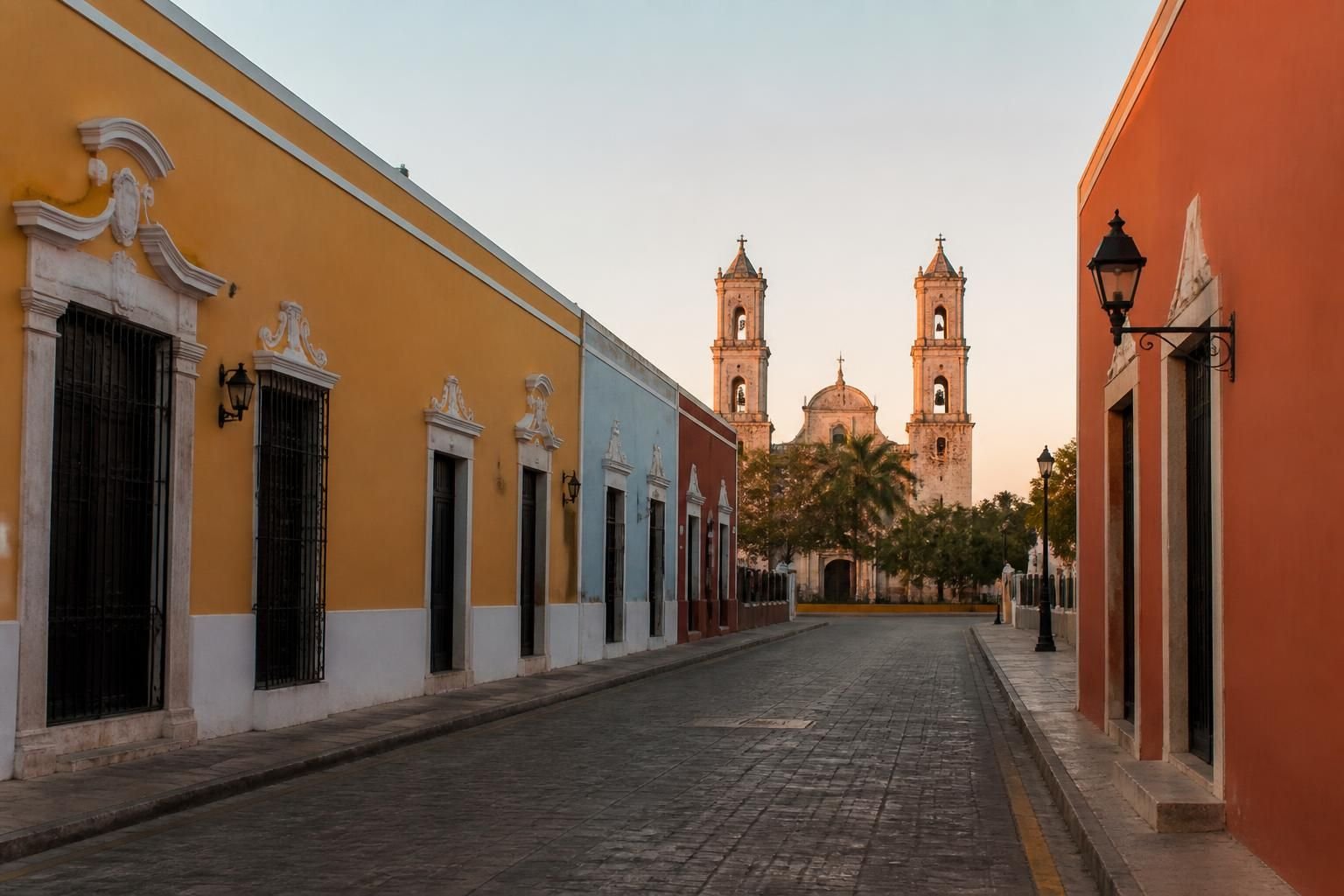
Valladolid stands out with its brightly painted streets and quaint plazas, evoking a timeless atmosphere. Visitors can admire the San Servacio Church and navigate local markets that showcase vibrant handicrafts and flavors. Exploring Valladolid on a walking tour reveals how colonial Spanish and Mayan influences coexist, evident not only in architectural styles but in the town’s cultural celebrations and everyday life. Stories shared by knowledgeable guides transmit the significance of landmarks, helping visitors appreciate the deep-rooted connections between indigenous Maya traditions and colonial legacies.
Mérida, the capital of Yucatán, displays an elegant blend of history and modernity. Its wide avenues are flanked by neoclassical buildings and vibrant street art that pays homage to the region’s ancestral roots. A guided tour here allows travelers to admire the city’s architectural grandeur, from the Palacio de Gobierno adorned with historical murals to the bustling markets where regional cuisine and crafts can be savored. Such immersive experiences also include visits to museums and cultural centers, emphasizing Yucatán’s continuous cultural evolution over centuries.
Izamal, often dubbed the “Yellow City” for its distinct ochre-colored buildings, complements this trio. The town features the impressive Convent of San Antonio de Padua, built atop ancient Mayan ruins, symbolizing the layers of history ingrained in the town’s fabric. Roaming the cobblestone streets surrounded by colonial architecture creates an enchanting ambiance that perfectly encapsulates Yucatán’s heritage. Guided tours here explore the intersections of faith, culture, and history, enriching travelers’ appreciation of the colonial period’s lasting impact.
Historical Sites and Authentic Cultural Experiences on a Yucatán Guided Tour
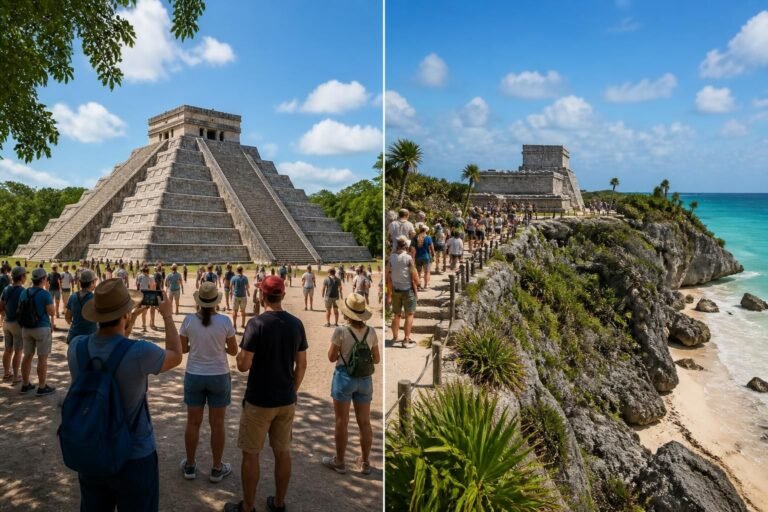
Exploring colonial towns in the Yucatán Peninsula naturally intertwines with visits to some of the country’s most iconic historical sites, particularly the ancient Mayan ruins that dot the region. These ruins provide compelling context that enhances the understanding of Yucatán’s layered cultural heritage. Sites such as Chichén Itzá stand as monumental testaments to Mayan ingenuity, mysticism, and societal structure.
Chichén Itzá, a UNESCO World Heritage Site, remains one of Mexico’s most visited archaeological destinations. A guided tour here extends far beyond admiring the majestic El Castillo pyramid. Expert guides piece together the astrological, political, and religious significance of the structures, explaining how the Mayans developed sophisticated knowledge systems integrated with their built environment. This enriched narrative transforms visitors’ perception from passive observers to eager participants in unraveling the ancient civilization’s mysteries.
To complement the historical exploration, a refreshing visit to secluded cenotes such as Cenote Chichikan offers both natural beauty and cultural resonance. These natural sinkholes, sacred to the Maya, reveal geological marvels and ecological importance. Swim breaks in crystal-clear waters provide physical relief and a sensory connection to the land, amplified by a guide’s explanation of cenotes’ role in Mayan cosmology and survival. These encounters balance history with nature, enriching the overall travel experience.
Later, a stroll through Valladolid or other colonial towns reconnects visitors with local daily life, where traditional crafts, cuisine, and architecture blend to form a living heritage. Traditional markets offer artisanal goods and authentic Yucatecan fare like cochinita pibil and sopa de lima, deepening cultural understanding through taste and texture. Such multifaceted exploration moves beyond static historic sightseeing into immersive cultural engagement, fostering a deeper connection and respect for Yucatán’s complex identity.
Key highlights of a Yucatán guided cultural tour:
- Personalized visits to historical sites like Chichén Itzá with in-depth explanations
- Refreshing and educational experiences at natural cenotes
- Walking tours of vibrant colonial towns, rich in unique architecture and traditions
- Opportunities to engage with locals through markets and street life
- Tasting authentic Yucatecan flavors that link past and present
Exploring the Architecture and Urban Layout of Yucatán’s Colonial Gems
Colonial towns in Yucatán are notable not only for their visual appeal but also for the stories their architecture tells about social dynamics, power relations, and cultural transformations. The urban layout often reflected colonial ideals imported from Spain but was also adapted to local conditions and traditions.
The central plaza, or “zócalo,” serves as the focal point of each town, surrounded by key buildings such as the church, town hall, and social gathering spaces. These plazas were designed to reinforce colonial authority but became spaces where indigenous and European cultures intersected and negotiated meaning. A guided tour skillfully interprets these layers, revealing how architecture not only served functional purposes but also acted as a symbol of conquest and assimilation.
In towns like Mérida, the wealth generated by the henequen boom shaped grand residences and public structures, many of which are carefully preserved to this day. Architectural styles include baroque, neoclassical, and colonial Spanish, each signaling different historical periods and socio-economic realities. Walking these streets during a private guided tour offers insights into the evolution of the urban landscape and how it reflects broader historical processes.
Izamal’s famously yellow buildings provide an illustrative example of how color, material, and design contribute to regional identity. The homogeneity in color across homes and public spaces creates a picturesque atmosphere, while the colonial convent stands as a brilliant example of adaptive reuse — built atop ancient Mayan temples, it underscores the complex layering of cultures in Yucatán’s history.
Architecture and urban planning highlights:
| Town | Architectural Style | Key Features | Historical Significance |
|---|---|---|---|
| Valladolid | Colonial Spanish | Cobbled streets, San Servacio Church, colorfully painted facades | Blend of Mayan and Spanish influences in urban fabric |
| Mérida | Neoclassical, Baroque | Grand avenues, Palacio de Gobierno, museums | Reflection of economic boom and cultural pride |
| Izamal | Colonial with Mayan foundations | Yellow-painted buildings, Convent of San Antonio de Padua | Symbolism of cultural amalgamation and religious history |
This architectural diversity enriches the cultural tapestry visitors experience during their travel, reinforcing how cultural heritage shapes Yucatán’s colonial towns as more than static relics — they are continuously living, breathing spaces.
Local Experiences: Capturing the Spirit of Yucatán’s Charming Communities
The true essence of exploring Yucatán’s colonial towns lies in engaging with its local communities. Beyond architecture and historical sites, the towns pulse with life, shaped by traditions rooted in centuries of cultural interaction. Participating in local markets, festivals, and culinary events reveals a vibrant community that honors its past while looking toward the future.
Valladolid’s bustling market scene is a prime example where travelers can immerse themselves in authentic local experiences. Here, vendors offer handwoven textiles, pottery, and traditional Yucatecan dishes. Sampling regional specialties such as panuchos and relleno negro alongside brightly colored stalls enriches understanding of daily life and cultural continuity. Guided tours often include these market visits, ensuring visitors are introduced to reputable stalls and authentic products.
Holiday celebrations and religious festivals across these towns add an extra dimension of local color. The confluence of indigenous and colonial traditions come alive through music, dance, and communal ritual, providing travelers a rare window into cultural resilience and creativity. These moments often become highlights of a travel itinerary, making the experience unforgettable.
Additionally, accommodation options in colonial towns, from boutique hotels to charming guesthouses, emphasize hospitality and cultural immersion. Staying in these establishments offers an intimate perspective on local lifestyle and architecture, further enhancing the journey’s emotional resonance. Travelers can appreciate the meticulous preservation of historic properties while enjoying modern comforts, blending past and present seamlessly.
Essential tips for meaningful local experiences in Yucatán’s colonial towns:
- Engage with local artisans to learn about traditional crafts and techniques.
- Try regional culinary dishes at family-run restaurants or market stalls.
- Attend community festivals or cultural events to witness traditions first-hand.
- Consider staying in heritage hotels that reflect local architecture and history.
- Communicate respectfully with locals and learn basic Spanish or Mayan phrases.
For travelers eager to weave together history, architecture, and personal interaction, colonial towns in Yucatán deliver a travel experience that is both richly educational and deeply moving. More detailed guides for travelers interested in specific towns like Valladolid can be explored in articles such as exploring the charming colonial city of Valladolid.
Planning Your Unique Yucatan Guided Tour Experience
Organizing a personalized guided tour in Yucatán ensures a journey tailored to interests and comfort levels. Many private tours last approximately 9 to 12 hours and include transportation, bilingual guides, entrance fees, and meals, allowing travelers to focus entirely on their exploration without logistical concerns.
Essential items to bring for this type of excursion include comfortable walking shoes, biodegradable sun protection, sunglasses, a camera, and a light hat. Considering the climate and terrain, packing swimwear and towels for cenote visits is highly recommended. For safety and convenience, tours generally advise against participation if there are severe physical limitations due to the walking involved.
The financial investment for such premium guided tours reflects the personalized service and comprehensive inclusions. While some may find the cost steep, the all-encompassing nature of the experience offers considerable value, especially when compared with fragmented arrangements. Customized itineraries often allow travelers to combine colonial towns, archaeological sites, and natural highlights in ways that align with personal travel goals.
For those seeking to dive deep into the heritage and landscapes of Yucatán, numerous resources provide detailed insights and booking options. From the ultimate Merida to Chichén Itzá day trip experiences to comprehensive self-drive adventures, tailored to varying interests and schedules, these guided tours promise an unforgettable journey through history and culture. Exploring options such as the ultimate Merida to Chichen Itza day trip experience can assist future travelers in planning effectively.
Essential elements included in a typical Yucatán guided tour:
| Feature | Description | Benefit |
|---|---|---|
| Private Transportation | Luxury vehicles with air conditioning | Comfort and convenience throughout the trip |
| Bilingual Guide | Certified professionals fluent in multiple languages | Detailed explanations and personalized attention |
| Entrance Fees | Included for historical and natural sites | Saves time and hassle of separate ticket purchases |
| Meals and Refreshments | Locally sourced lunch and snacks | Sustains energy and offers a taste of regional cuisine |
| Flexible Itinerary | Adjusts to preferences within the tour framework | Creates a personalized and relaxed travel pace |
Choosing a private guided tour emphasizes off-the-beaten-path adventures and small group intimacy, crucial for appreciating the cultural depth and architectural beauty of Yucatán’s colonial towns and historical sites. This personalized approach allows travelers to explore at a comfortable pace, ask questions freely, and engage meaningfully with local heritage.
Are colonial town tours in Yucatán suitable for families with children?
Yes, many guided tours are family-friendly and designed to accommodate children with activities and pacing suitable for younger travelers. However, it’s important to consider the walking distances and weather conditions.
What languages are available for guided tours in Yucatán?
Tours commonly offer guides fluent in English, Spanish, French, German, and occasionally Chinese, ensuring comfort for diverse traveler groups.
Is swimming in cenotes included in these tours?
Yes, many guided tours incorporate stops at cenotes like Cenote Chichikan, where visitors can swim and learn about the geological and cultural importance of these natural formations.
How long does a typical private guided tour last in the Yucatán region?
Most private tours are full-day experiences lasting between 9 to 12 hours, including travel time, site visits, meals, and leisurely exploration periods.
Can tours be customized to focus more on history or nature?
Absolutely, private tours offer flexibility allowing travelers to tailor their itinerary to emphasize historical sites, architectural exploration, or natural attractions like cenotes.