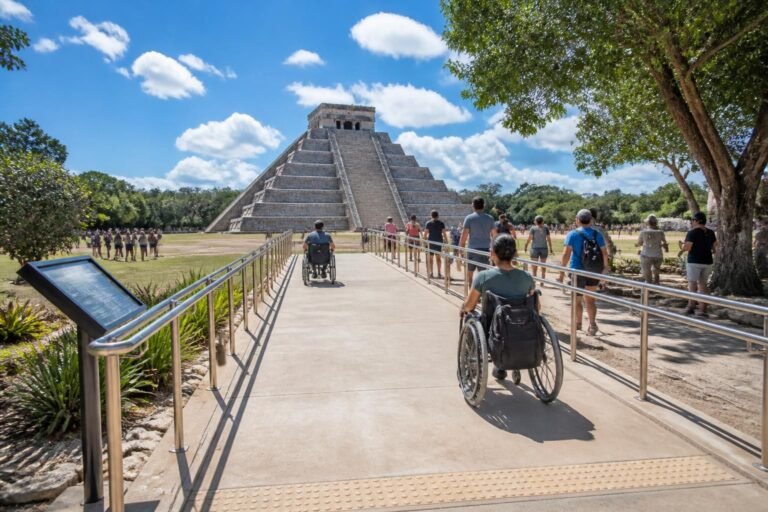
Mexico continues to attract an abundance of tourists every year with its rich cultural heritage, spectacular beaches, and vibrant urban life. For those planning a visit in 2025, understanding the entry requirements is crucial to ensure a smooth arrival and enjoyable stay. Recent updates to immigration laws and entry protocols, especially the July 2025 guidelines, have modernized many procedures, making travel to Mexico more accessible but also introducing new digital processes. This article unfolds the essential information related to passports, visas, tourist permits, and customs formalities that Mexico tourists need to be aware of in 2025, alongside tips on practical documentation and health regulations.
In the fast-evolving landscape of international travel regulations, Mexico stands out by adapting its policies to accommodate the growing number of tourists and the digital age. Tourists will find that while the core aspects of travel remain straightforward, certain specifics such as visa issuance, tourist card requirements, and entry duration are subject to change as Mexican authorities aim to streamline border procedures. As border officials balance security with hospitality, travelers are encouraged to stay informed and prepare their travel documents accordingly to avoid common pitfalls.
Passport Validity and Ticket Rules for Mexico Tourists in 2025
One of the primary travel documents required to enter Mexico is a valid passport. Unlike some countries that enforce a strict six-month validity rule beyond travel dates, Mexico itself does not impose such a requirement. However, airlines operating flights to Mexico may set their own rules regarding passport validity. It’s advisable for tourists to confirm these requirements with their airline before departure to avoid being denied boarding.
Additionally, from late June 2025, Mexico’s immigration authorities instituted an important entry prerequisite: all foreign visitors who are not residents must present a return or onward ticket. This requirement aims to verify that travelers intend to exit Mexico after their stay and to prevent overstays.
This means tourists need to plan their travel itinerary carefully and have their proof of departure readily accessible upon arrival. This documentation serves as a basic compliance check at customs and immigration, supporting the official immigration process.
Practical examples highlight that travelers arriving at busy airport hubs, such as Mexico City or Cancun, have reported swift immigration procedures when they present clearly documented travel plans and return tickets. In contrast, lack of proper documentation can lead to delays or additional questioning.
Key Preparation Tips:
- Ensure your passport is valid for the entire duration of the trip.
- Confirm any airline-specific passport requirements prior to check-in.
- Purchase and keep accessible your return or onward ticket, as proof of exit.

Visa Policies and Digital Visas: What Mexico Tourists Should Know in 2025
Mexico offers visa-free entry to citizens of many countries, including the United States, Canada, the European Union, and several others, for tourism purposes. Visitors from these nations can stay up to 180 days without needing a traditional visa, making Mexico a top vacation destination for North Americans and Europeans.
For travelers from countries that require a visa, there has been a remarkable shift in visa issuance procedures brought about by the July 25, 2025 guideline reforms. Mexican consulates around the world are now embracing digital applications and electronic visas, often replacing the older paper visa stamps and stickers.
This digitalization means travelers might no longer need to visit a Mexican consulate in person to complete their visa application. Instead, electronic visas may be issued with QR codes that can be scanned by immigration officers at entry points, expediting processing and reducing paperwork.
An essential clarification from the new policy is that the exact countries requiring a visa remain the same, but the method of obtaining one has become more streamlined and tech-forward. Digital document submission, such as scanned financial statements and identity proofs, are increasingly accepted, reflecting a global trend toward online processes.
For example, a traveler from a country requiring a visa can apply online through the Mexican embassy’s website, upload necessary digital documents, and receive their electronic visa via email. Upon arrival in Mexico, immigration officials scan the QR code and verify the traveler’s credentials promptly without the need for manual input or physical stamps.
Summary of Visa Information for Tourists:
| Visitor Nationality | Visa Requirement for Tourism | Duration Allowed | Visa Application Mode |
|---|---|---|---|
| USA, Canada, EU, UK | No visa needed | Up to 180 days | Not applicable |
| Countries requiring visa | Visa required | Varies, usually up to 180 days | Digital visa process with QR code |
Travelers planning longer stays, business visits, or study trips should consult the Mexican consulate website to verify if a different visa type applies and to prepare accordingly.
The FMM Tourist Card and Its Evolving Role
For years, the Forma Migratoria Múltiple (FMM) tourist card was a standard entry requirement for visitors traveling to Mexico for tourism. It served as a temporary permit allowing stays up to 180 days. However, significant changes in 2025 have modified the importance and distribution of the FMM.
As of 2025, many major Mexican cities popular with tourists have eliminated the need to fill out or carry the FMM for air travelers. This includes destinations like Cancun, Puerto Vallarta, Mexico City, Los Cabos, Tulum, and Mazatlán.
For those flying into airports where the FMM is still mandatory, airline staff typically distribute the form during the flight, and visitors must complete it before arrival. Visitors entering Mexico by land still receive the FMM at border crossings. This evolution aligns with the digital upgrade and reflects an effort to reduce paperwork and streamline border formalities.
Despite these changes, tourists should keep in mind certain practicalities at immigration checkpoints. Taking photographs in immigration lines is prohibited; travelers have encountered inspections of devices by immigration officers enforcing this rule. It is advisable for visitors to answer questions about their travel plans politely and truthfully and have all documents such as passports, FMM (if required), and return tickets easily accessible.
- Check if the city of arrival requires the FMM — mostly important for land crossings or smaller airports.
- Complete the FMM form carefully when provided, as errors can delay processing.
- Keep the FMM during your stay and return it upon departure to avoid overstay penalties.
- Respect immigration officials and abide by rules such as not photographing in lines.
How the FMM Affects Your Stay
The FMM allows a stay of up to 180 days for tourism; however, the actual period granted is at discretion of immigration officers, who judge cases based on the traveler’s stated plans and supporting evidence like hotel reservations or return flights. Being prepared with such proof helps guarantee a stay length adequate for the trip.
Health Regulations and Customs for Tourists Traveling to Mexico in 2025
Entry into Mexico also involves compliance with health regulations and customs controls. In 2025, routine health checks at airports focus primarily on communicable diseases and current health risks recognized by global health authorities. The Mexican government maintains a posture of keeping its borders welcoming while safeguarding public health.
Visitors are recommended to have up-to-date routine vaccinations and consider travel vaccines based on the region of Mexico they plan to visit. For example, vaccinations against Hepatitis A, Typhoid, and in some areas, Yellow Fever, may be advised. Travelers should consult their healthcare providers to develop an immunization plan tailored to their itinerary.
Customs regulations govern what can be brought into the country. Tourists may bring personal effects for their stay, but there are restrictions and declarations required for certain items, including food, plants, animal products, and large sums of currency. Mexico’s customs officials enforce these rules to prevent the introduction of pests, diseases, and prohibited goods.
Guidelines for Customs and Health Safety
- Declare any food, plant, or animal products at customs to avoid fines or confiscation.
- Do not carry or attempt to bring illegal substances, firearms, or unauthorized goods.
- Health screenings may request information on recent travel or symptoms; cooperate fully.
- Carry prescription medicines in original containers and have a copy of the prescription.
- Be aware of the legal currency declaration limit, commonly around $10,000 USD or equivalent.
Visitors who follow these guidelines generally experience smooth customs clearance. Ignoring declarations or health advisories can result in unpleasant delays and potential penalties. A sensible approach helps tourists focus on their planned activities and immersion in Mexican culture.
Residence Permits and Long-Term Stay Entry Requirements
While most tourists intend a short visit, some travelers consider long-term residence options in Mexico. The 2025 immigration reforms introduced newer standards for temporary and permanent residency applications, particularly in how financial qualifications are assessed and verified.
Previously, the basis for economic solvency was calculated using multiples of Mexico’s minimum salary. However, the new guidelines require consulates to apply the Unidad de Medida y Actualización (UMA), a standardized unit for economic calculation. This change aims for consistency in residency qualification criteria.
Additionally, the acceptance of financial assets for residency applications has become more specific. Some consulates now request cash savings rather than investment account balances when applicants apply under the savings category.
Permanent residency without prior temporary residency is limited to retirees or pensioners who meet the financial thresholds. Temporary residents can transition to permanent residency status after four uninterrupted years in Mexico. These regulatory clarifications streamline processes but require applicants to be well-informed and plan carefully.
Financial Criteria Summary for Residency Applications
| Residency Type | Financial Requirement Basis | Accepted Financial Proof | Notes |
|---|---|---|---|
| Temporary Residency | UMA multiples of monthly income or savings | Cash savings, monthly income statements | Consulate specific, investment accounts acceptance varies |
| Permanent Residency (without Temporary) | Retirees/pensioners only | Pension proof, savings documentation | Direct application for retirees allowed |
| Permanent Residency (via Temporary conversion) | After 4 years as Temporary Resident | Documented residence time | Application after continuous stay |
Potential applicants should consult Mexican consulates or immigration experts to ensure compliance with the latest requirements. The 2025 reforms continue to be implemented gradually and may evolve with time.
Careful financial planning and documentary submission greatly enhance the chances of a successful residency application, whether the goal is a seaside retirement or an extended cultural immersion near locations like Chichen Itza.
Do US tourists need a visa to enter Mexico for tourism?
No, US citizens do not need a visa for tourism stays of up to 180 days, but must have a valid passport and a return or onward ticket.
Is the Forma Migratoria Múltiple (FMM) still mandatory for all tourists?
No, as of 2025, the FMM is not required for air arrivals in many major Mexican cities, but it is still needed at land borders and some smaller airports.
What financial documents are necessary to apply for temporary residency in Mexico?
Applicants must demonstrate economic solvency based on UMA units, typically through proof of cash savings or monthly income, with some consulates limiting acceptance of investment accounts.
How long can tourists stay in Mexico without a visa?
Tourists can stay up to 180 days, but the actual allowed duration is at the discretion of immigration officials based on the traveler’s plans.
What health precautions should tourists take before entering Mexico?
Tourists should update routine vaccinations and consider additional vaccines like Hepatitis A or Typhoid depending on the area visited, and comply with any health screenings upon arrival.