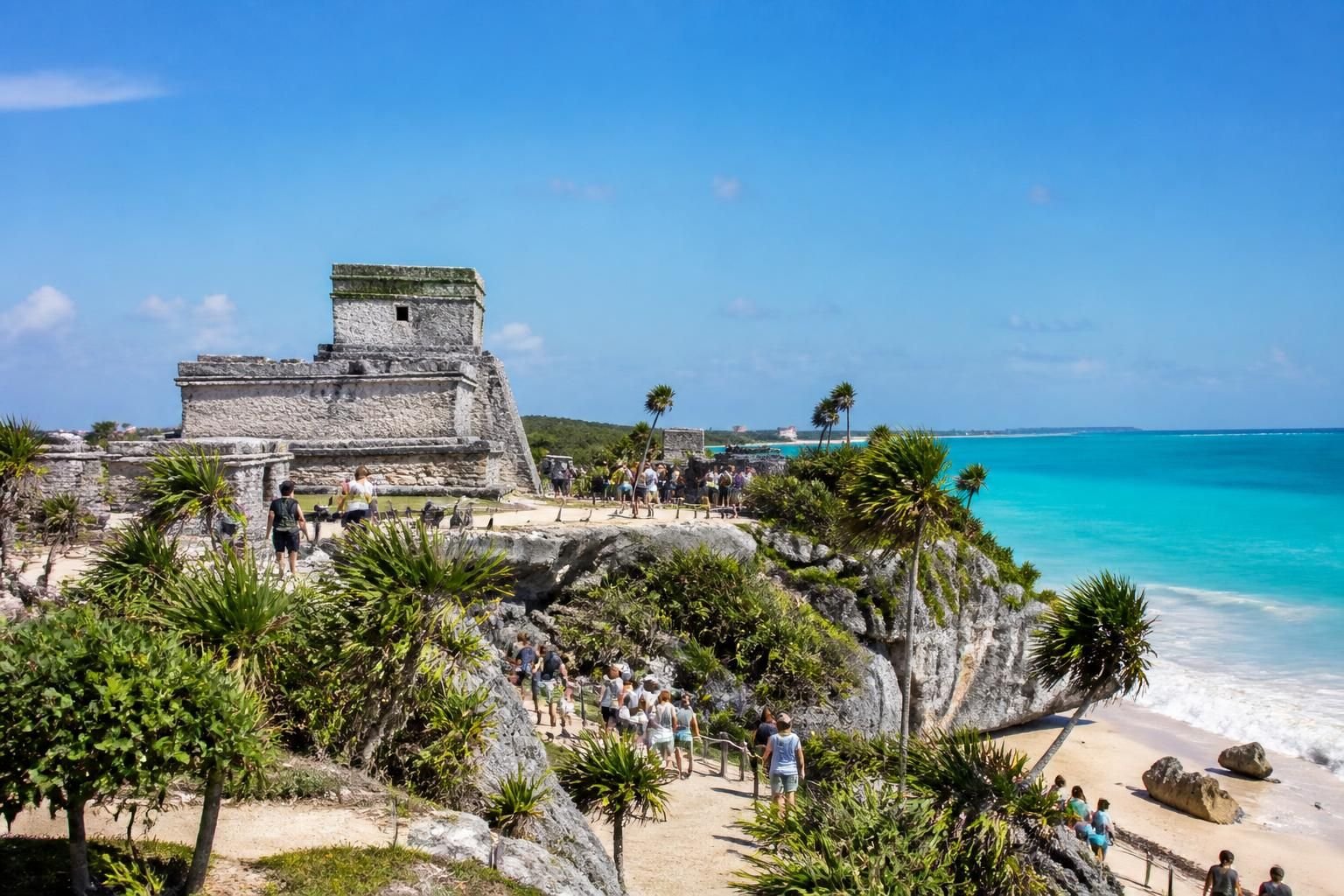

The Tulum ruins stand as one of the most captivating archaeological sites along the Caribbean coast, offering visitors a rare blend of rich Mayan history and breathtaking natural scenery. Nestled atop rugged 40-foot limestone cliffs overlooking the turquoise sea, Tulum was once a vibrant ancient city and a thriving Mayan port between the 13th and 15th centuries. Its unique location, accessibility, and preservation make it a must-see for travelers eager to experience a truly unforgettable trip steeped in culture and history.
Today’s visitors are drawn not only to Tulum’s storied past but also to the stunning coastal views and nearby natural wonders, including pristine beaches and enchanting cenotes. This guide delivers essential travel tips for navigating the site, maximizing your visit, and uncovering the many cultural experiences Tulum and its surroundings have to offer. From ticketing details and the best times to explore, to recommended tours and accommodation options, everything needed for a seamless journey is carefully detailed to ensure a rewarding adventure for all.
Your Complete Visitor Guide to the Tulum Ruins: History, Highlights, and Practical Info
Perched proudly above the Caribbean Sea, the Tulum ruins offer a distinctive glimpse into the Late Postclassic era of Mayan civilization, framed by an extraordinary coastal backdrop. Tulum, originally known as Zamá or “city of dawn,” was a strategic fortified port city whose limestone walls protected it from both invaders and harsh coastal elements. Its cliff-top location not only served defensive purposes but also provided unparalleled views of the sea, essential for spotting incoming trade ships.
The historical significance of Tulum is profound: it was among the last cities inhabited by the Maya at the time the Spanish arrived in 1518. Accounts from the expedition led by Juan de Grijalva describe the white temples gleaming under the morning sun, likening the city’s grandness to that of Seville. Today, millions travel yearly to explore this exceptional archaeological site, which ranks just behind Teotihuacan and Chichén Itzá in terms of popularity.
Visitors to the site can marvel at iconic structures such as El Castillo, the cliffside pyramid that commands sweeping views of the Caribbean, and the Temple of the Frescoes, which houses well-preserved murals depicting Mayan religious iconography. Walking through Tulum’s compact walled area—roughly 380 by 165 meters—takes approximately two to three hours, ideal for guided or self-guided tours.
Access to Tulum is simple. Located just 4 kilometers from Tulum town, taxis, bicycles, and local colectivos make transportation to the ruins convenient and affordable. From Cancún International Airport, the drive lasts about two hours south along Federal Highway 307. Tickets as of now cost around 95 MXN, with an additional INAH fee for foreigners. Arriving early, preferably before 9:30 AM, guarantees a more pleasant experience amid cooler temperatures and fewer crowds.

Best Time to Visit Tulum Ruins and Local Travel Tips for an Unforgettable Cultural Experience
The climate in Tulum plays a key role in choosing the best time for a visit. November through April represents the dry season, characterized by low humidity and pleasant temperatures ranging from 25 to 30 degrees Celsius. These months are widely favored by tourists seeking comfort and stable weather, though the site can be busy during holidays like Christmas and New Year’s.
Travelers aiming to avoid crowds and enjoy a quieter atmosphere might consider the shoulder season in late April or the rainy months of June through October. Despite afternoon showers, these months bring lush green landscapes and fewer visitors, enriching the cultural experience with a more intimate ambiance.
For practical comfort, it is advisable to wear lightweight clothing and sturdy walking shoes, as the terrain includes uneven stone paths and sandy trails. Sunscreen is essential but should be eco-friendly and reef-safe, especially when exploring nearby natural sites like cenotes or beaches.
Arriving early is crucial for experiencing the ruins in cool conditions with minimal crowds, allowing visitors to absorb the site’s mystique and visual grandeur more fully. Guided tours typically start at opening time (8:00 AM) and can enrich the visit with insightful commentary on the site’s history and symbolism.
Besides the ruins, incorporating visits to nearby attractions such as the Gran Cenote and the Sian Ka’an Biosphere Reserve can broaden the cultural scope of a Tulum trip. Tourists are encouraged to explore local markets in Tulum town to sample traditional Yucatecan cuisine and artisanal crafts, enhancing the immersive quality of the journey.
Guided Tours, Ticketing Information, and Transport Options for Effortless Exploration
Visitors have multiple options when it comes to touring the Tulum ruins, balancing budget, convenience, and depth of interpretation. Guided tours, often available in English and Spanish, range from private group experiences costing 400 to 800 MXN, to larger group tours which are more economical. These tours provide invaluable context on Mayan history, architecture, and mythology, allowing travelers to fully appreciate the significance of structures like El Castillo and the Temple of the Frescoes.
For the independent visitor, self-guided exploration using maps and descriptive signage also offers a rewarding experience, supported by mobile apps that enhance interpretation with augmented reality reconstructions and audio guides. Tickets, priced around 95 MXN, include entry to the Parque del Jaguar, a biosphere area adjacent to the ruins that features native flora and fauna, offering a blend of archeology and ecology within one visit.
Transportation to the archaeological site is well established. Taxis and mototaxis are readily available from Tulum town, and cycling is a popular choice, with bike rentals plentiful and affordable, providing a leisurely and scenic route to the ruins. Visitors arriving by car should prepare for a parking fee of approximately 160 MXN.
For those extending their trip to the Yucatán Peninsula, consider day trips that connect Tulum with other significant Mayan sites like Chichén Itzá or Cobá, often combined with swim stops at famous cenotes. These package tours maximize the cultural experience and simplify travel logistics. For further details on combining excursions, see the best tours from Tulum to Chichén Itzá.
Exploring Beyond the Ruins: Beaches, Cenotes, and Natural Wonders Near Tulum
Tulum’s appeal stretches beyond its archaeological site. The area boasts some of the most beautiful beaches along the Mexican Caribbean coast, each offering a distinct atmosphere. Playa Paraíso stands out with its powdery white sand and clear turquoise waters just a few minutes’ walk from the ruins. For a livelier beach experience, Playa Las Palmas offers beach clubs and vibrant sunset scenes.
Nature lovers can also venture to Caleta Tankah, a tranquil cove with the rare feature of a freshwater cenote right beside the sea, allowing refreshing dips in freshwater and saltwater in the same spot. This unique environment highlights the region’s rich biodiversity and geological wonders.
Cenotes in Tulum are another captivating draw. The Gran Cenote, only 2.5 miles from town, offers easy access to crystal-clear waters ideal for snorkeling and observing aquatic life among stalactites and stalagmites formations. For divers or those seeking a more adventurous swimming experience, Dos Ojos Cenote’s vast underwater cave system located 14 miles away represents one of the world’s premier dive sites with mesmerizing subterranean landscapes.
Nature enthusiasts should not miss the UNESCO-listed Sian Ka’an Biosphere Reserve, home to diverse ecosystems spanning mangroves, coral reefs, and tropical forests. Guided canoe tours and wildlife spotting in this protected area provide a remarkable ecological and cultural experience.
Below is a comparison table summarizing some must-visit locations around Tulum:
| Attraction | Distance from Tulum | Main Features | Recommended Activities |
|---|---|---|---|
| Gran Cenote | 2.5 miles | Crystal-clear water, turtles, stalactites | Snorkeling, swimming |
| Dos Ojos Cenote | 14 miles | Underwater caves, rock formations | Diving, snorkeling |
| Playa Paraíso | 0.5 miles | White sand, turquoise sea, palms | Relaxing, photography, swimming |
| Sian Ka’an Biosphere Reserve | 20 miles south | Lagoons, jungle, wildlife | Boat tours, bird watching |
| Cobá Ruins | 44 km | Jungle-covered ancient city, pyramids | Biking, climbing pyramids |
These nearby sites complement a visit to Tulum by expanding the cultural and ecological horizons, cultivating a comprehensive understanding of the region’s heritage.
Essential Travel Advice for Making the Most of Your Tulum Ruins Visit
Planning an exploration of Tulum ruins and its surroundings requires some practical know-how to enhance the journey while preserving the site’s environmental integrity. Key travel tips include:
- Arrive early: Beat the heat and crowds by entering at the opening hour.
- Eco-friendly sunscreen: Protect the waters and marine life by using biodegradable products only.
- Stay hydrated: Bring bottled water, especially during the dry season.
- Wear comfortable shoes: The terrain involves climbing and uneven paths.
- Consider a guide: Gain deeper insight into Mayan history and symbolism.
- Combine excursions: Link visits with nearby archeological sites or cenotes for an enriching day trip.
For travelers interested in enriching their knowledge about local customs and travel etiquette, consulting resources like the tipping and tourist etiquette guide in Mexico is highly recommended.
Whether your focus is history, nature, or cultural interaction, preparing well ensures an experience that stays vivid long after departure.
What are the opening hours and entrance fees for visiting Tulum ruins?
The Tulum archaeological site is open daily from 8:00 AM to 5:00 PM. Entrance fees are approximately 95 MXN (~$5 USD) for most visitors, with additional fees for foreigners set by INAH. Mexican nationals can enter for free on Sundays with valid ID.
How long should I plan to spend exploring the Tulum ruins?
A typical visit to the archaeological site lasts between 2 to 3 hours. This allows time to appreciate the main structures, viewpoints, and the small beach below the cliff. Adding a guided tour or a visit to nearby attractions will extend your day accordingly.
Are guided tours recommended at Tulum ruins?
Guided tours are highly recommended as they provide valuable context about Mayan history, religious beliefs, and architecture. They also enhance understanding of the symbolism behind murals and structures.
What are the best months to visit Tulum to avoid crowds and bad weather?
The dry season from November to April is ideal due to lower humidity and sunny skies. For fewer crowds and a more tranquil experience, consider visiting during the rainy season (June to October), keeping in mind that afternoon showers are common.
What other attractions can be visited near Tulum ruins?
Besides the ruins, attractions such as Gran Cenote, Dos Ojos, Playa Paraíso, Sian Ka’an Biosphere Reserve, and Cobá ruins are excellent spots to explore, offering activities like snorkeling, diving, boat tours, and hiking through jungle-covered ancient cities.