
Swimming in a cenote offers a unique and breathtaking experience, blending adventure, nature, and culture in the heart of the Yucatan Peninsula. These natural freshwater caves, formed over millennia within limestone bedrock, captivate travelers with their crystal-clear waters and enchanting atmosphere. Whether it’s the thrill of exploring underground water systems or the serene beauty of sunlit pools surrounded by stalactites, cenote swimming rewards visitors with unforgettable moments. However, to fully appreciate and safely enjoy this exceptional environment, essential knowledge about safety, ecological preservation, and the nuances of each site becomes crucial.
Key insights related to water temperature, visibility, and local wildlife play a vital role in planning your adventure. Awareness of safety protocols and adopting respectful swimming practices help protect the delicate freshwater ecosystems that sustain these natural wonders. Guided tours often provide invaluable context and ensure a safer visit while allowing travelers to discover hidden gems like Cenote Suytun near Valladolid. Whether chasing sunbeams, photographing stunning formations, or snorkeling in depths teeming with aquatic life, understanding these tips enhances the entire experience.
- Understand the diversity of cenotes: Dive into various types of cenotes from open-air pools to deep freshwater caves.
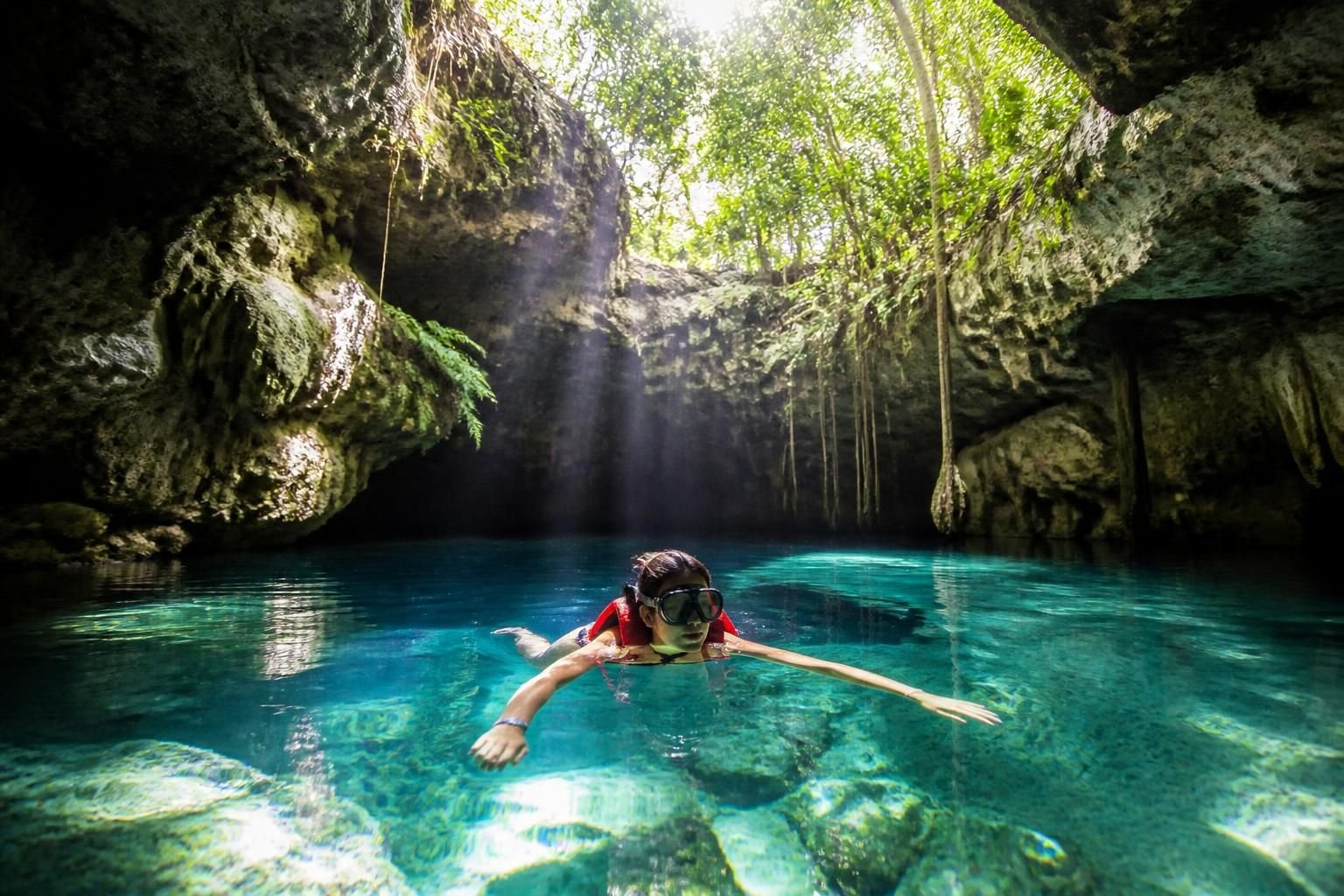
- Follow safety and ecological guidelines: Always wear life jackets and use eco-friendly sunscreen to protect the environment.
- Consider visibility and water temperature: Plan your swim during optimal conditions to enjoy crystal-clear waters.
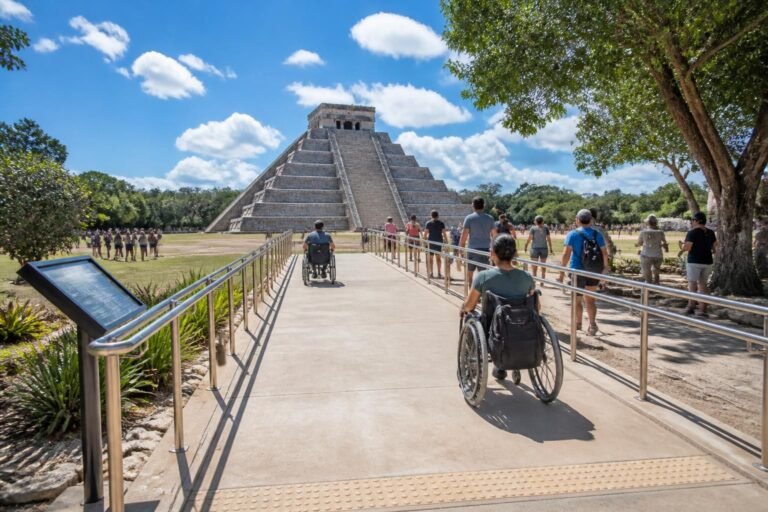
- Opt for guided tours: Benefit from expert knowledge and safer exploration on organized excursions near hotspots like Chichen Itza.
- Prepare equipment wisely: Use water shoes and snorkeling gear to enhance your cenote swimming.
Understanding the Unique Environment of Yucatan Cenote Swimming
The cenotes of the Yucatan Peninsula represent an extraordinary facet of nature shaped by complex geological and hydrological processes. These natural freshwater caves connect to extensive underground rivers, making them fascinating yet sensitive environments. Composed mainly of limestone, the terrain gradually collapses to create sinkholes filled with crystal-clear water that has filtered through the earth for thousands of years. This clarity results in exceptional visibility many swimmers relish, often exceeding 30 meters under ideal conditions.
Water temperature in cenotes typically remains cool and refreshing, ranging between 24 to 26 degrees Celsius. This consistent temperature results from the steady influx of groundwater but can feel brisk compared to surface pools or beaches. Understanding this is essential for swimmers who may find extended immersion initially uncomfortable without acclimation. Furthermore, the constant flow through the freshwater cave networks helps maintain water purity, but it requires visitors to be cautious about contaminants, emphasizing the need for biodegradable sunscreens.
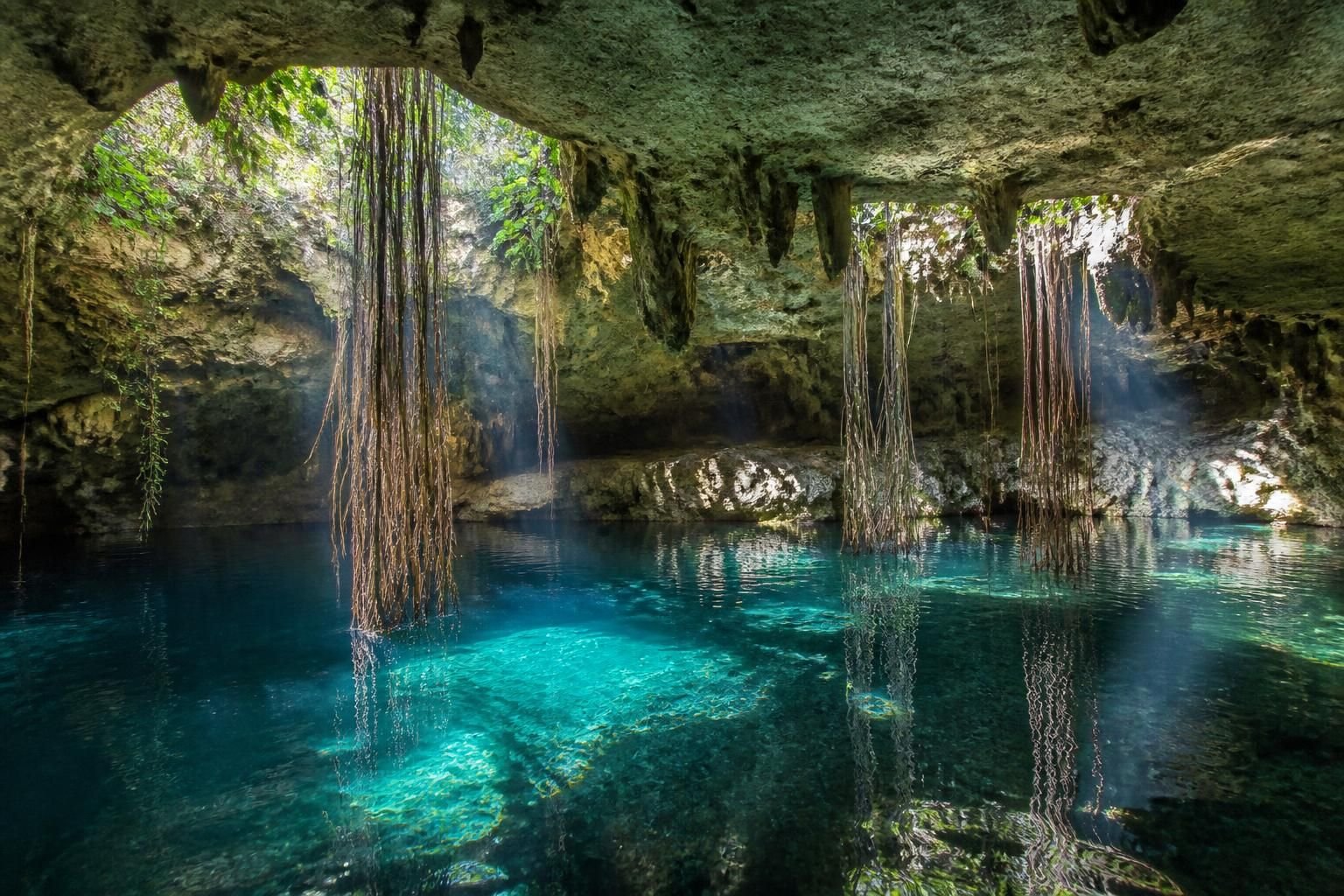
Different cenotes present distinct swimming experiences. Open cenotes, like Ik Kil near Chichen Itza, allow sunrays to illuminate wide pools ideal for snorkeling and swimming. Conversely, cave cenotes, such as Cenote Suytun near Valladolid, offer an ethereal ambiance with towering stalactites and filtered sunlight, creating dramatic contrasts in light and shadow. This diversity makes each visit a personalized adventure but also underscores why proper swimming tips and safety protocols are essential, particularly for first-timers who might encounter varying depths and underwater formations unexpectedly.
The ecological value is substantial; cenotes support native wildlife including small fish, turtles, and sometimes bats that roost in surrounding caves. The ecosystem is delicate, and swimmers must avoid disrupting habitats. By respecting signage and adhering to guided tour advice, visitors help preserve these natural treasures for future generations. For those interested in discovering more about regional cenotes, resources such as a complete guide to swimming in cenotes in Mexico provide rich background and practical insights.
Effective Safety Measures for Cenote Swimming Adventures
Ensuring safety while swimming in cenotes is paramount due to their unique geological features and water conditions. Many cenotes have depths ranging between 5 to over 40 meters, with certain cave cenotes containing underwater passages and varying water currents. Swimming tips include always wearing the provided life jackets, which provide buoyancy especially in deeper or unfamiliar waters. While the water appears calm, subtle currents may exist, and sudden depth changes could catch unprepared swimmers off guard.
Besides life jackets, it is wise to swim with a buddy or within a group, especially in scarcely visited private cenotes. Local regulations for popular sites like Cenote Suytun enforce capacity limits and time-restricted visits during peak tourist seasons. Such controlled attendance enhances safety and helps conserve water quality by reducing overcrowding. Swimmers should also heed posted warnings about slippery or rocky surfaces along access paths and within the cenote basin. Proper footwear with good grip, such as water shoes, aids in safe entry and exit.
Visibility in cenotes is usually excellent but can diminish after heavy rains due to sediment runoff from the surrounding jungle. Checking weather conditions before planning your swim day ensures clearer waters and safer snorkeling. Also, avoid touching formations like stalactites and stalagmites, which are fragile and integral to the cenote’s geological story. Adopting a ‘leave no trace’ approach not only protects the environment but also reduces the risk of injury from jagged cave structures.
For families and less experienced swimmers, guided tours provide added security through expert supervision and practical advice. Many tour operators combine cenote swimming with culturally immersive activities, allowing tourists to explore Mayan heritage sites alongside natural wonders. Those preparing for a visit can explore tour options such as the popular best cenote tour from Chichen Itza, which includes support to ensure safe and enjoyable excursions.
Choosing the Right Cenote for Your Swimming Experience
With over 6,000 cenotes scattered across the Yucatan Peninsula, selecting the ideal location for cenote swimming requires considering factors like accessibility, facilities, depth, and swimming preferences. Popular cenotes such as Ik Kil are well-developed with amenities including lockers, showers, and lifeguard supervision, making them excellent choices for families and novice swimmers. In contrast, more secluded cenotes near Valladolid or Tulum offer tranquil escapes but often have fewer services and require more careful preparation.
Cenote Suytun has garnered international attention for its distinctive circular stone platform and mesmerizing sunbeams piercing through roof openings. Located just east of Valladolid, it combines photo opportunities with moderate swimming depths that are mostly between 1 and 5 meters, making it approachable for a broad range of swimmers. However, swimmers should be prepared for crowds, particularly from late morning to mid-afternoon, and consider early morning visits to enjoy calm waters with fewer people. The cenote also offers overnight accommodations allowing visitors to extend their exploration in a natural setting.
Other cenotes might offer specialized swimming activities such as snorkeling or night swimming tours. These unique experiences introduce a different perspective, with underwater wildlife and bioluminescent effects becoming visible in darker conditions. However, these require prior knowledge and often guided supervision to navigate safely through underwater cave areas. Comprehensive comparisons between sites—like those detailing the differences between Cenote Ik Kil and Cenote Suytun—help tourists tailor their itinerary based on swimming skills and interests, maximizing satisfaction while respecting local guidelines.
A handy table below summarizes key differences to guide visitors in choosing the right cenote according to their preferences and experience level.
| Cenote | Location | Depth | Facilities | Best Time to Visit | Swimmer Difficulty Level |
|---|---|---|---|---|---|
| Cenote Suytun | Near Valladolid | 1-5 meters | Restrooms, Life Jackets, Restaurant | Early morning for photos, Midday for sunbeams | Beginner to Intermediate |
| Cenote Ik Kil | Near Chichen Itza | 10-26 meters | Showers, Lockers, Lifeguards | Morning to early afternoon | Intermediate |
| Cenote Ka’alam | Near Tulum | 5-15 meters | Limited; Basic entry facilities | Afternoon | Intermediate to Advanced |
Best Practices for Snorkeling and Enhancing Your Freshwater Cave Swim
Snorkeling transforms cenote swimming by allowing visitors to observe the fascinating underwater world without the need for extensive diving skills. The crystal-clear water visibility enables clear views of limestone formations and native aquatic species like small fish and turtles. For snorkeling, wearing a well-fitted mask and snorkel is essential to avoid water leakage and maintain comfortable breathing. Many cenotes have rental facilities for snorkeling equipment, but bringing personal gear ensures a better fit and hygiene.
When entering a freshwater cave environment, swimmers should move calmly and avoid abrupt movements to prevent stirring sediment, which can drastically reduce visibility. This precaution not only enhances the experience but also helps protect the habitat of delicate cave-dwelling creatures. Awareness of water temperature changes inside different parts of caves is also important. Deeper or less sunlit areas may be cooler, so layering with a lightweight wetsuit or rash guard can provide comfort.
Respectful snorkeling includes maintaining distance from wildlife and formations. For example, touching stalactites disrupts their fragile growth, while sudden interactions with fish or turtles may stress them. Many cenotes enforce rules requiring swimmers to rinse before entering to remove sunscreen or lotions that could pollute the water. Furthermore, using eco-friendly, biodegradable sunscreens is often mandatory to safeguard the cenote’s ecosystem.
Guided snorkeling tours provide expert commentary on local geology and wildlife, enhancing the educational value of your swim. These tours also typically incorporate safety instructions tailored to freshwater caves, where divers might encounter narrow passages and unique challenges. Exploring options such as those found in best cenote near Chichen Itza tours can elevate your swim into an expertly shaped adventure.
Ecological Responsibility during Your Cenote Swimming Experience
Maintaining the pristine condition of cenotes is an essential responsibility for every visitor. These freshwater caves are vulnerable ecosystems that require careful protection to remain unspoiled. Practices such as avoiding the use of chemical-based sunscreens, refraining from littering, and respecting wildlife are fundamental. Many managed cenotes enforce a rule of mandatory showers before entry to reduce contaminants.
Swimmers should always adhere to marked paths and avoid feeding or touching fish and bats inhabiting the caves to prevent disturbing natural behaviors. The use of biodegradable sunscreen is not only an environmental recommendation but often a requirement. Disrupting the delicate balance can result in algae blooms or water clouding, diminishing the enjoyment and longevity of these natural wonders.
Participating in guided tours often includes education about local conservation efforts and how visitors can contribute, making these experiences more meaningful and environmentally conscious. Choosing tours that support community efforts and sustainable tourism helps protect the region’s natural heritage, ensuring that cenote swimming remains a spectacular activity for years to come.
Overall, combining safety, respect, and preparation allows travelers to make the most of their cenote swimming adventures in the Yucatan while helping preserve these remarkable freshwater caves for future explorers.
Are cenotes safe for children and inexperienced swimmers?
Many popular cenotes have shallow areas and provide life jackets, making them suitable for families. However, supervision and choosing appropriate locations are important to ensure safety.
What is the best time of day to swim in cenotes like Suytun?
Early morning visits around 8:30 to 9:00 AM offer fewer crowds, while midday provides the best lighting for photos with sunbeams around 12:30 PM.
Is snorkeling recommended in all cenotes?
While many cenotes are excellent for snorkeling due to their water clarity, some cave cenotes require guided tours to safely explore underwater passages.
Do I need special gear for cenote swimming?
Life jackets are often provided. Water shoes, biodegradable sunscreen, and snorkeling equipment enhance safety and enjoyment.
How can I contribute to protecting cenotes during my visit?
Follow local guidelines, use eco-friendly products, avoid disturbing wildlife, and support tours focused on sustainable tourism.