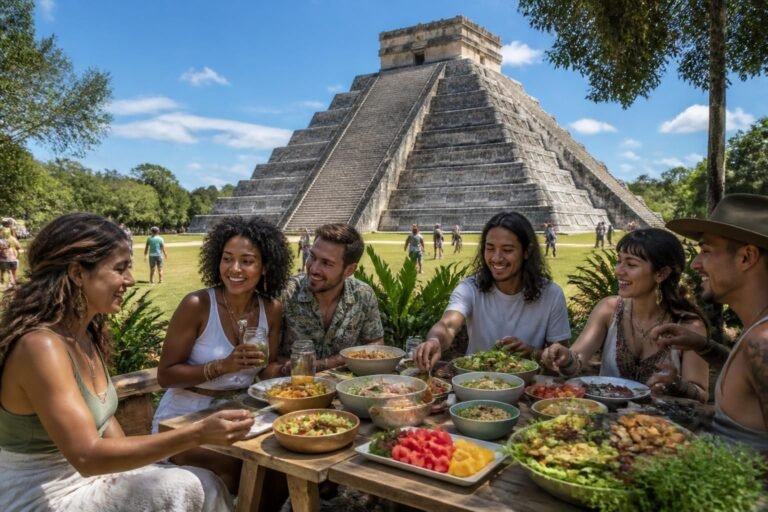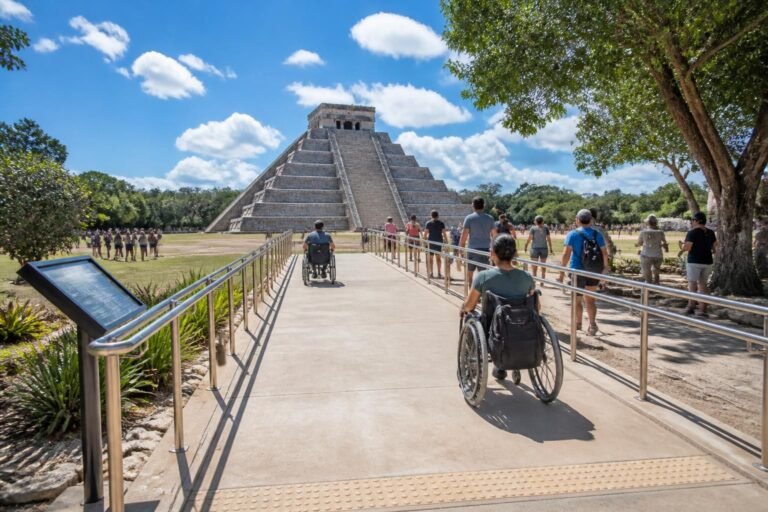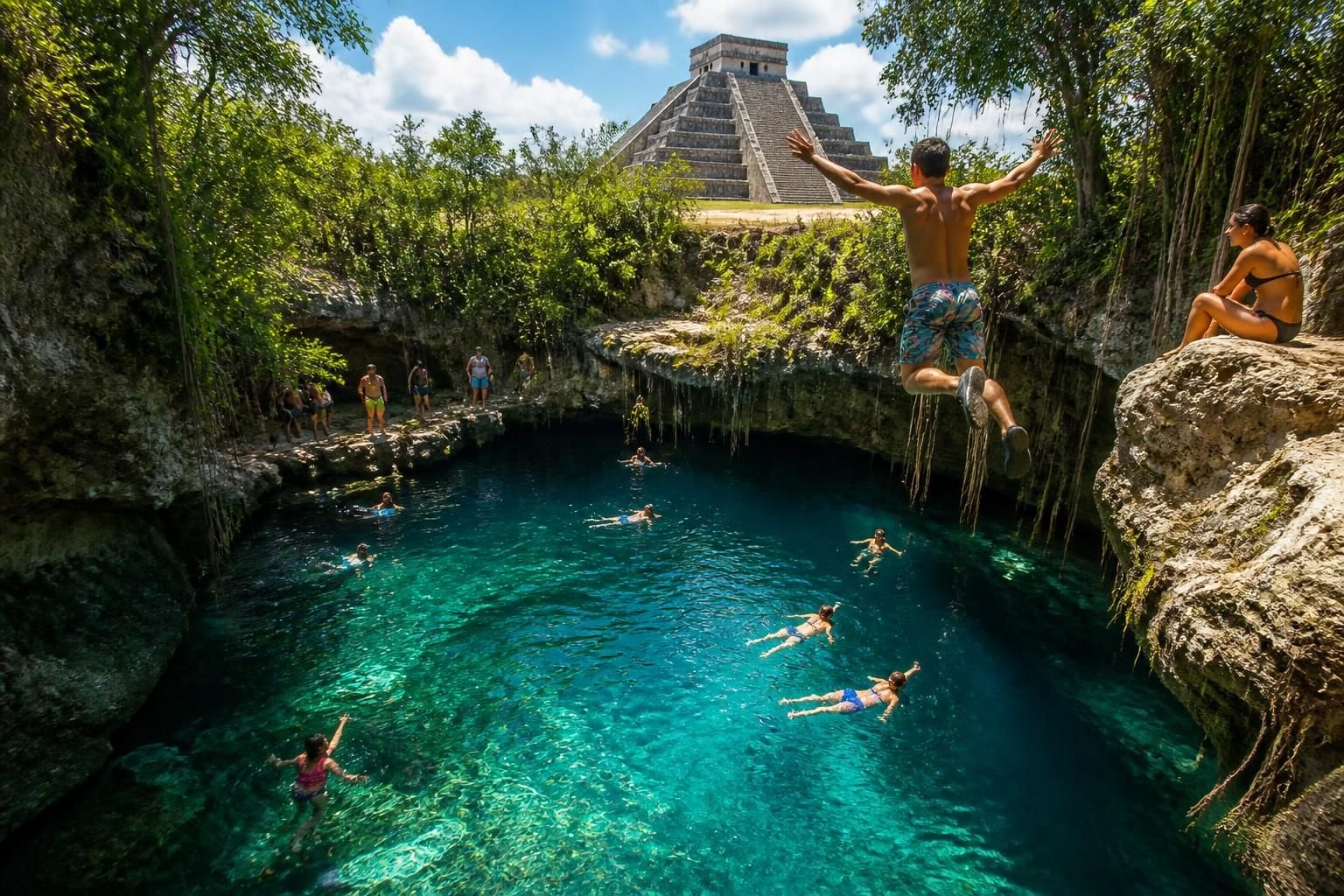

Embarking on a journey through the Yucatan Peninsula reveals an extraordinary fusion of history and natural wonders, where the awe-inspiring Mayan ruins of Chichen Itza meet the enchanting world of cenotes. These unique natural swimming holes, with their crystal-clear waters and subterranean landscapes, offer a refreshing contrast to the sun-baked archaeological exploration. Combining a tour of Chichen Itza with a cenote visit elevates a typical sightseeing experience into a multifaceted adventure, seamlessly blending culture, nature, and relaxation into one unforgettable vacation.
This region, marked by its vast limestone bedrock housing thousands of cenotes, invites travelers to dive into the sacred waters once revered by ancient Maya civilization. The cenotes offer not only a reprieve from the tropical heat but also a glimpse into a geological and cultural heritage that enriches any travel itinerary. Tours that skilfully integrate both Chichen Itza and cenote visits provide travelers with expert-guided exploration followed by immersion in some of the area’s most striking natural swimming spots, creating a balance that appeals to history buffs, nature lovers, and adventure seekers alike.
In 2026, the popularity of these combined excursions continues to grow, with many operators offering curated experiences that include certified guides, transportation, and authentic local cuisine. Whether it’s the iconic open-air Ik Kil cenote or the atmospheric semi-open Suytun, each destination adds a unique dimension to the day, promising visitors a rich tapestry of unforgettable moments amid the Yucatan’s natural and historical splendor.
Key Highlights
- Explore the UNESCO World Heritage Mayan ruins of Chichen Itza, including significant structures like the Kukulkan Pyramid and the Sacred Cenote.
- Enjoy swimming in crystal-clear cenote waters with options ranging from open to cave cenotes.
- Choose from various tour formats, including large group, small group, private, and early access tours tailored to diverse preferences and budgets.
- Benefit from expert guides who provide in-depth historical insights and practical travel advice.
- Experience traditional Yucatecan cuisine and optional stops at charming nearby colonial towns such as Valladolid.
Why Combining Chichen Itza with a Cenote Tour Creates a Complete Yucatan Experience
Chichen Itza stands as an emblem of Mayan architectural mastery and cultural richness, drawing visitors eager to walk through the corridors of time beneath blazing sunlit skies. Yet, after hours immersed in the historic marvels of Kukulkan Pyramid and the Great Ball Court, the scorching tropical heat can be quite demanding. This is where the allure of pairing a cenote swim with archaeological exploration transforms an ordinary visit into a comprehensive adventure.
Cenotes are not mere swimming holes; they represent natural portals into an ancient hydrogeological system beneath the Yucatan. Formed by the collapse of limestone bedrock, these sinkholes expose pure, filtered groundwater, historically considered sacred by the Maya, who believed cenotes were gateways to Xibalba, the underworld. The juxtaposition of standing amidst ruins that narrated human achievement and subsequently plunging into serene, almost mystical waters amplifies the profound connection between culture and nature.
Most combo tours capitalize on the geographical closeness of Chichen Itza to several renowned cenotes. The convenience allows travelers to seamlessly transition from an educational journey through history to an invigorating natural swimming experience without extending total travel time excessively. The beauty and significance of a cenote swim add tangible pleasure and relaxation to a day of sightseeing, ensuring that tourists leave with a balanced impression of the region’s delights.
Choosing to engage in such a tour means more than just ticking off highlights; it is about embracing the Yucatan’s dual spirit. The ruins offer insight into a civilization’s legacy, while the cenotes beckon with their cool embrace and nature’s artistry, making the combined visit a must for those seeking a truly immersive and multifaceted vacation.
Understanding Cenotes: Types, Features, and Cultural Importance
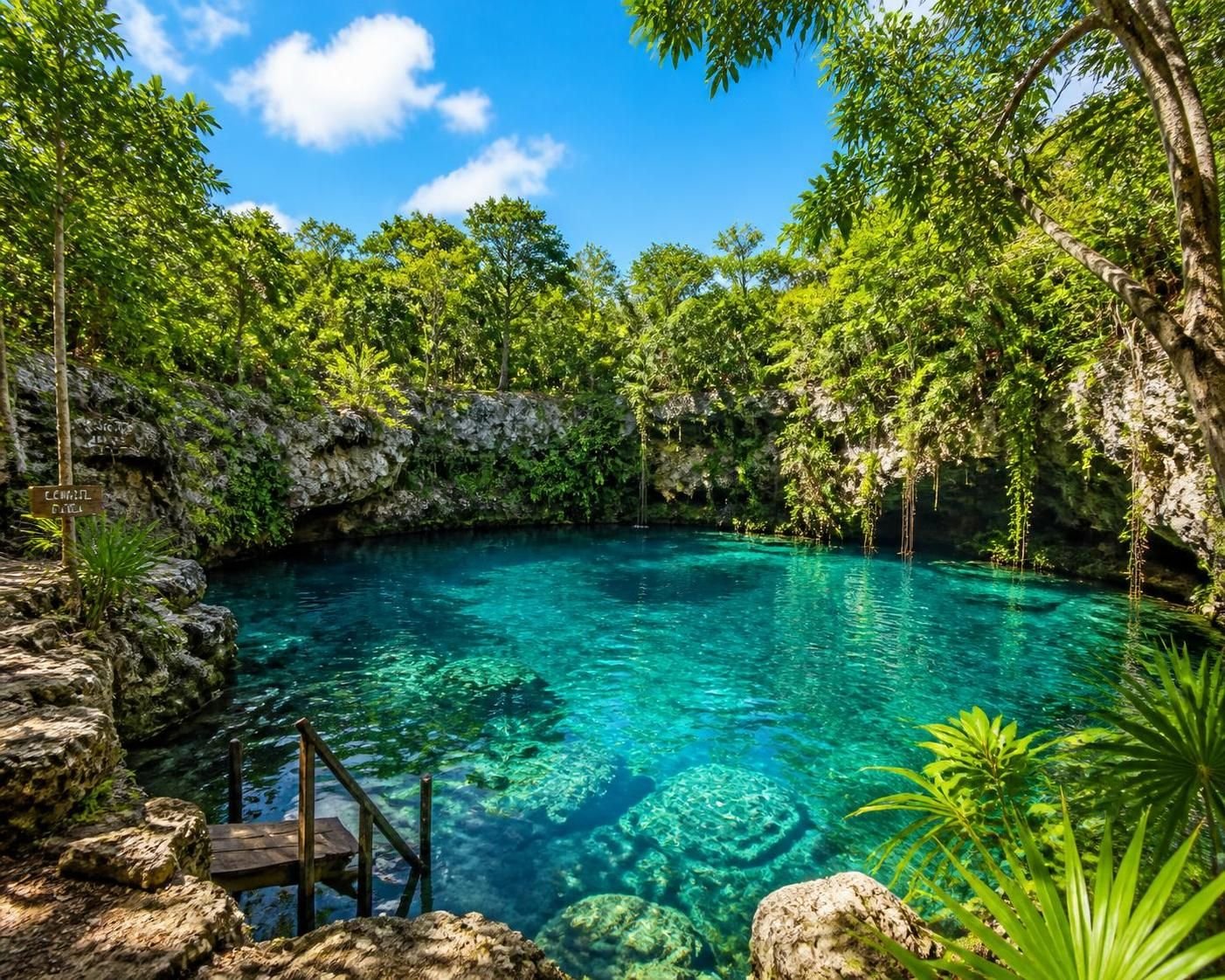
While many travelers recognize cenotes as natural swimming pools, the diversity among these geological features is remarkable. Their formation and typology considerably affect the swimming experience and ambiance. Cenotes generally fall into several categories:
- Open-air cenotes: Fully exposed to the sky, these are lush, jungle-encircled pools such as the famous Ik Kil cenote. They provide bright, sunlit swims ideal for families and those seeking iconic photographic moments.
- Semi-open cenotes: Featuring partial rock coverings that create captivating light shafts, these spots like Cenote Suytun offer dramatic atmospheres perfect for photography and reflective swims. Their mystical ambiance stems from the interplay of sunlight and shadows, accessible while being close to nature’s shelter.
- Cave cenotes: These subterranean pools are usually darker, accessed via tunnels or staircases. Swimmers seeking adventure and serenity often prefer these cenotes for their calm and cavernous settings.
- Ancient collapsed cenotes: These natural wonders feature fully open ceilings with roots and vines cascading into the water, creating mesmerizing jungle pools that blend history with nature.
Water clarity is another defining feature. Due to centuries of limestone filtration, visibility can exceed 30 meters, and temperatures remain pleasantly constant year-round, hovering between 24-26°C (75-79°F), assuring a refreshing dip even during the hottest days. This natural purification process also enhances the health and sustainability of the aquatic ecosystems, crucial for safe swimmer enjoyment.
Comparing Popular Cenotes Near Chichen Itza: What to Expect at Ik Kil, Suytun, and Samula
Among the many cenotes accessible from Chichen Itza, three stand out for recurring inclusion in tours due to their unique characteristics and visitor appeal.
| Feature | Ik Kil | Cenote Suytun | Cenote Samula |
|---|---|---|---|
| Type | Open-air cenote | Semi-open (cave-like) | Cave cenote |
| Distance from Chichen Itza | 3 km (5 minutes) | 10 km (15 minutes) | 40 km (45 minutes) |
| Crowd Level | Very high | High | Moderate |
| Key Visual | Hanging vines over a turquoise pool | Light beam on stone platform | Tree roots descending from cave ceiling |
| Swimming Experience | Excellent, spacious swimming area | Limited swimming, more photo-focused | Very good, peaceful environment |
| Entry Fee (approx.) | 150-200 MXN | 150 MXN | 80 MXN |
The Ik Kil cenote is the classic choice, favored for its grandeur and proximity to Chichen Itza. Its expansive open-air environment, complete with descending stone steps and a wide aquatic basin, provides a quintessential natural swimming experience. However, due to its popularity, it can become quite crowded during peak hours, so timing your visit early in the morning or late afternoon can enhance your enjoyment.
Cenote Suytun, with its acclaimed dramatic light beams and intimate platform, caters to those prioritizing photographic moments and unique atmospheres over extended swims. Though smaller and less swim-friendly, it remains a captivating visit, especially on tours that also incorporate the nearby colonial town of Valladolid.
For those seeking a more secluded and contemplative experience, Cenote Samula offers an underground cave environment with magical lighting and fewer visitors. This option adds depth and variety to any cenote tour, appealing to guests who appreciate quieter, less commercialized encounters with nature.
What to Expect on a Chichen Itza and Cenote Tour: Itinerary, Inclusions, and Travel Tips
Most all-inclusive tours blend efficient transportation, expert guidance, and curated stops, allowing visitors comfortable and meaningful days out. Typical itineraries incorporate the following components:
- Hotel pickup and drop-off: Air-conditioned vehicles collect travelers early morning (around 5:30 to 7:30 AM) from hubs like Cancun, Playa del Carmen, or Tulum, ensuring a timely arrival at the ruins.
- Guided visit to Chichen Itza: Spanning about 1.5 to 2.5 hours, the exploration covers essential sites including the Kukulkan Pyramid, the Sacred Cenote, the ball courts, and El Caracol observatory, all enriched by INAH-certified guides providing historical context and storytelling.
- Lunch: A buffet-style meal featuring authentic Yucatecan dishes such as cochinita pibil and poc chuc is typically served at a restaurant near the cenote site, offering a taste of regional flavors.
- Cenote swimming time: Visitors usually enjoy 45 to 90 minutes to swim, relax, and photograph the cenote surroundings, with facilities such as changing rooms, lockers, showers, and life jackets often provided.
- Optional stops: Some tours include brief visits to the charming colonial town of Valladolid or artisan shops, adding cultural depth and leisure opportunities.
For travelers, packing thoughtfully enhances comfort and convenience. Essentials include plenty of water, sun protection items like broad-brimmed hats and reef-safe sunscreen, comfortable walking shoes for uneven terrain, swimwear, towels, waterproof devices for underwater photography, and a sense of readiness for sudden tropical rain showers typical in this region.
Those interested in safety can consult practical advice on water safety and best swimming practices in Mexico’s cenotes to ensure a secure and enjoyable experience for all ages and skill levels.
Choosing the Best Cenote Tour from Chichen Itza: Pricing, Group Sizes, and Booking Tips
The range of available tours in 2026 caters to diverse visitor needs, spanning from large group excursions to private and specialized experiences. Each option has distinct advantages:
- Large group tours ($75–100 USD): Ideal for budget travelers, these tours often shuttle 40–50 people in buses with fixed schedules and limited flexibility. Expect standard inclusions at competitive prices but prepare for crowds and early departures.
- Small group tours ($100–150 USD): Featuring 12–15 participants, these offer more interaction with guides, quicker pickups, and a slightly more relaxed pace without significant cost increases.
- Private tours ($300–700 USD): For those valuing privacy and customization, private tours tailor the experience completely—from timing to preferred cenotes and dining choices—perfect for families, special occasions, or photography enthusiasts.
- Early access tours ($120–180 USD): These lodgers leave very early to access Chichen Itza at gate opening, enjoying fewer crowds and cooler conditions, a preferred choice for photographers and quiet seekers.
When selecting a tour, travelers should clarify included amenities such as cenote entry fees, lunch quality, guide credentials, pickup and drop-off logistics, and cancellation policies. Beware of extremely low prices that often exclude key components, leading to unexpected extra charges. Booking through trusted platforms or reputable operators enhances the likelihood of a smooth, well-reviewed experience.
The table below summarizes these options for clear comparison:
| Tour Type | Price Range (USD) | Group Size | Main Advantages | Ideal For |
|---|---|---|---|---|
| Large Group | $75–100 | 40-50 | Affordable, organized, good for solo | Budget travelers, first-timers |
| Small Group | $100–150 | 12-15 | Better guide interaction, less crowd | Families, couples, intermediate travelers |
| Private | $300–700 | Up to 12 | Personalized, flexible, exclusive | Special occasions, photographers, groups |
| Early Access | $120–180 | Varies | Quiet site, great photos | Morning people, crowd avoiders |
Making the Most of Your Chichen Itza and Cenote Adventure: Travel Tips and Insider Recommendations
Maximizing enjoyment from a Chichen Itza and cenote tour involves more than just booking; preparation, timing, and thoughtful engagement during the visit matter greatly. Here are some professional recommendations:
- Arrive prepared for the heat: Bring ample water and sun protection including hats and high-SPF sunscreen. The open archaeological site offers minimal natural shade.
- Opt for early or late visiting hours: To avoid peak crowd times, consider tours opting for early access or late afternoon entrance, ensuring spacious exploration and ideal lighting for photography.
- Choose a certified guide: Knowledgeable INAH-certified guides enrich your historical understanding and ensure you don’t miss hidden stories or structures.
- Change before lunch: Wearing your swimsuit underneath clothes streamlines your transition to the refreshing cenote swim.
- Respect cenote protocols: Shower before entering to maintain water purity, use biodegradable sunscreen, and always wear life jackets if recommended.
- Engage with locals: Explore optional stops such as Valladolid’s colonial center, the colorful market stalls, and artisan shops for a genuine cultural experience beyond the ruins and waters.
- Minimize plastic usage: Carry reusable water bottles and bags to support sustainable tourism in this delicate ecosystem.
Combining historical exploration with natural swimming offers a dynamic and rewarding day that invigorates both body and mind. For additional cultural insights and practical tips, consider exploring articles such as this in-depth guide to Cenote Suytun and learn essential local travel customs for a respectful and enriching trip.
Which cenote is best for swimming near Chichen Itza?
Cenote Ik Kil is the most popular for swimming due to its open-air setting and ample space, making it ideal for families and first-time visitors. However, for those seeking unique atmospheres, Cenote Samula offers a quieter cave experience.
Are entry fees and lunch typically included in Chichen Itza and cenote tours?
Most mid-range and premium combo tours include entrance fees for both Chichen Itza and the selected cenote, as well as a buffet lunch featuring traditional Yucatecan dishes. Always verify the inclusion details when booking.
What should I bring for a day tour to Chichen Itza and a cenote?
Essentials include comfortable shoes, sun protection, swimwear, a towel, biodegradable sunscreen, water, insect repellent, and a waterproof case for electronics.
Can I visit the Sacred Cenote inside Chichen Itza?
Yes, the Sacred Cenote is accessible within the archaeological site but swimming is prohibited as it is a protected ceremonial site of great historical significance.
How can I avoid crowds during the Chichen Itza and cenote tour?
Booking early access tours to arrive at site opening or opting for late afternoon visits helps avoid peak crowds. Mid-week tours are generally less busy than weekends.