
Discover Valladolid, a colonial city steeped in Mexican culture and surrounded by the lush landscapes of the Yucatán Peninsula. This vibrant city offers an unforgettable experience for visitors eager to explore historical sites, sample authentic local cuisine, and immerse themselves in a rich tapestry of traditions and architecture. Valladolid’s charm lies in its colorful streets, lively markets, and proximity to world-famous landmarks such as the Chichen Itza ruins and stunning natural cenotes. As tourism continues to grow in this region, Valladolid remains a beacon of authenticity, embodying the true essence of Mexico’s colonial past intertwined with Mayan heritage.
In this complete travel guide, visitors will uncover the best visitor tips to navigate the city’s cobblestone lanes and historical squares. Whether it’s admiring the intricate colonial architecture or venturing out to nearby natural wonders, Valladolid offers a unique fusion of culture and nature. The city is also ideal for those looking to enjoy a slower pace away from the crowded resort towns. This guide provides detailed insights into sightseeing, accommodation options, local dining experiences, and the cultural festivities that bring the city to life. Let this be your essential companion to a journey through one of Mexico’s most enchanting cities.
Unlike the busier tourist hubs, Valladolid provides an intimate chance to witness Mexican culture in its most genuine form. Visitors can explore centuries-old convents and museums that narrate stories from the colonial period, alongside vibrant marketplaces bustling with artisan crafts and fresh local produce. The city’s blend of colonial and Mayan influences is evident everywhere, from its architecture to its culinary delights, making Valladolid a rewarding destination for history enthusiasts, culture seekers, and adventure travelers alike.
This guide will also delve into practical advice for travelers wanting to maximize their visit: how to get there, safety considerations, and insider recommendations to experience the city as locals do. By thoughtfully planning your itinerary with this resource, you harness the opportunity to explore Valladolid beyond the typical tourist routes, uncover hidden gems, and appreciate the rich heritage that defines this charming colonial city.
Explore the magic of Valladolid and its surroundings, where the past meets the present through vibrant street life, magnificent ruins, and natural wonders. This city remains a must-visit location in 2026 for those seeking an authentic taste of Yucatán’s history and culture.
Why Valladolid Stands Out as a Colonial City Rich in History and Culture
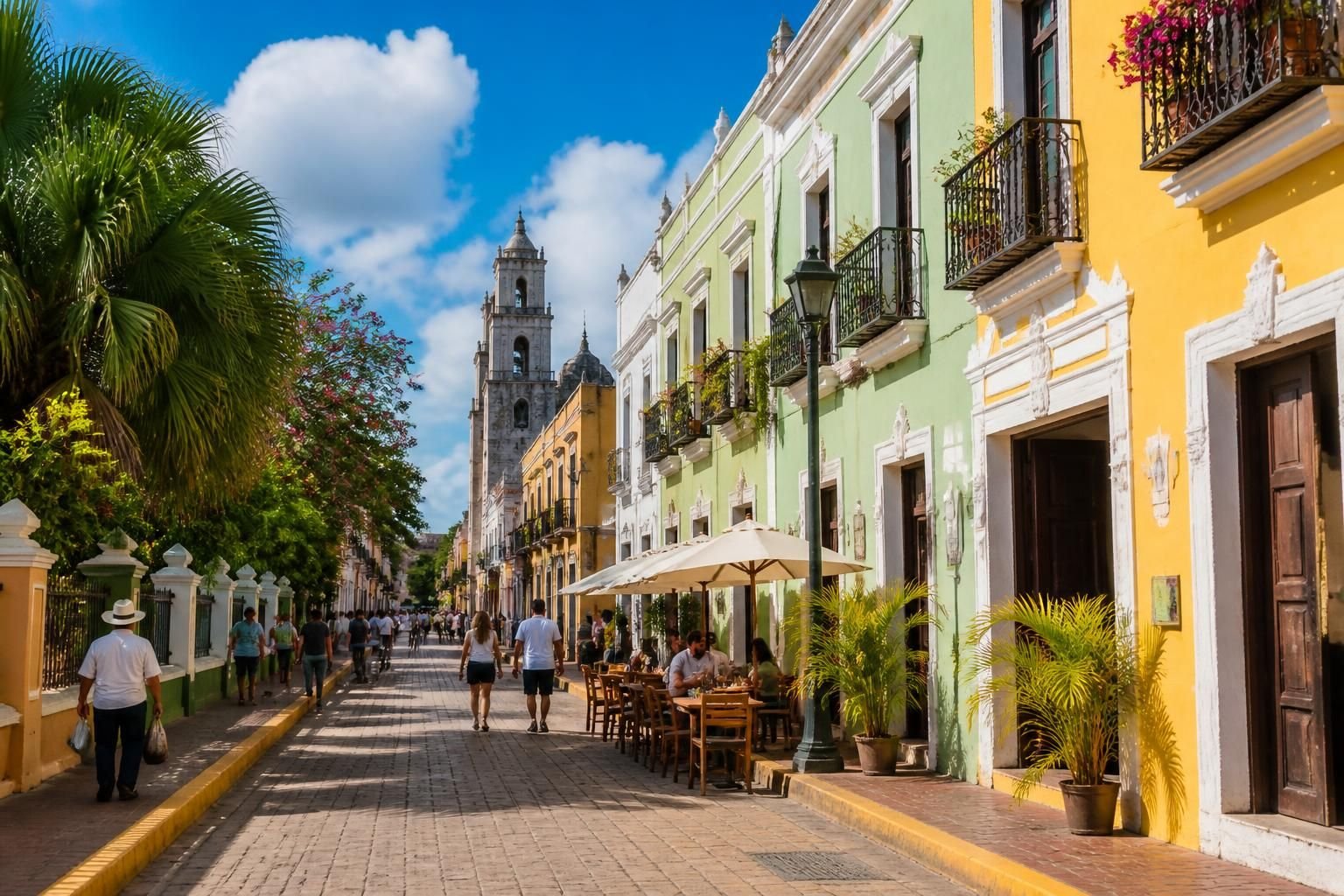
Valladolid holds a distinct place in the annals of Mexican history as a gem of colonial architecture and Mayan heritage. Founded in 1543, the city’s streets breathe the spirit of centuries past, lined with pastel-colored buildings and cobblestones that transport visitors to a bygone era. It is this unique blend of Spanish colonial roots and indigenous Mayan culture that creates an atmosphere unlike any other in the Yucatán Peninsula.
The city’s prominence in Mexican culture is not just due to its history, but also its continuing traditions. Festivals, dances, and local handicrafts thrive in Valladolid, offering a vivid glimpse into the life and soul of its residents. Tourists find themselves captivated by the traditional Jarana dance performances, which enliven the main square with rhythm and color every evening. These cultural celebrations are essential to understanding the social fabric that has kept Valladolid vibrant through the ages.
The architecture in Valladolid reveals layers of history, from the Spanish colonial churches built atop ancient Mayan pyramids, to the restored convents and public buildings that now serve as museums and cultural spaces. The Church of San Servacio, for example, stands as a monumental symbol—constructed with stones repurposed from Mayan ruins, it tells a complex story of conquest, resilience, and syncretism.
In the wider context of tourism, Valladolid offers a markedly different experience compared to the bustling beach towns of Cancun or Tulum. Here, the pace is slower, the streets quieter, and the opportunities for genuine cultural encounters far greater. It remains relatively underexplored despite its proximity to Chichen Itza, making it an ideal destination for travelers seeking to delve deeper into the history and traditions of the Yucatán’s colonial heart.
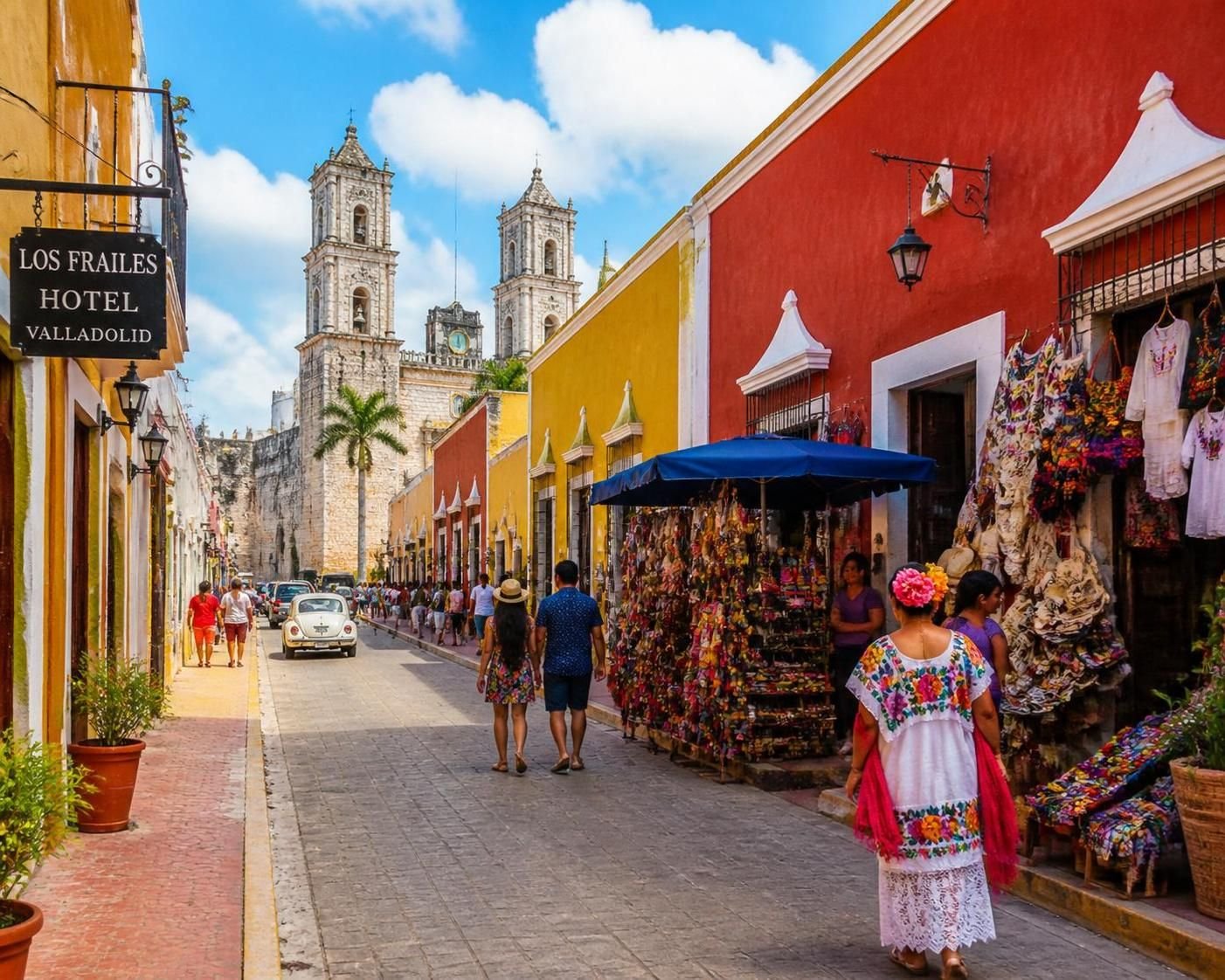
Valladolid’s marketplace culture further epitomizes its role in preserving Mexican heritage. The Mercado Municipal is a kaleidoscope of local life—vendors selling traditional produce, handmade crafts, and authentic Yucatecan food. Such markets are not mere tourist attractions but serve as communal hubs where local culture is expressed and passed down through generations.
Understanding Valladolid’s significance requires looking beyond obvious sightseeing. It is a city where history is lived daily, where the art of Mayan and colonial fusion continues to thrive in crafts, gastronomy, and urban design. This rich cultural layering makes Valladolid a compelling destination for visitors seeking an immersive and profoundly authentic Mexican travel experience.
Top Visitor Tips for Exploring Valladolid’s Colonial Beauty and Beyond
To truly appreciate Valladolid’s colonial charm and surrounding natural wonders, visitors should approach their itinerary with balance and insight. Here are essential tips to get the most out of your visit and enjoy a well-rounded experience that combines sightseeing, local cuisine, and cultural encounters.
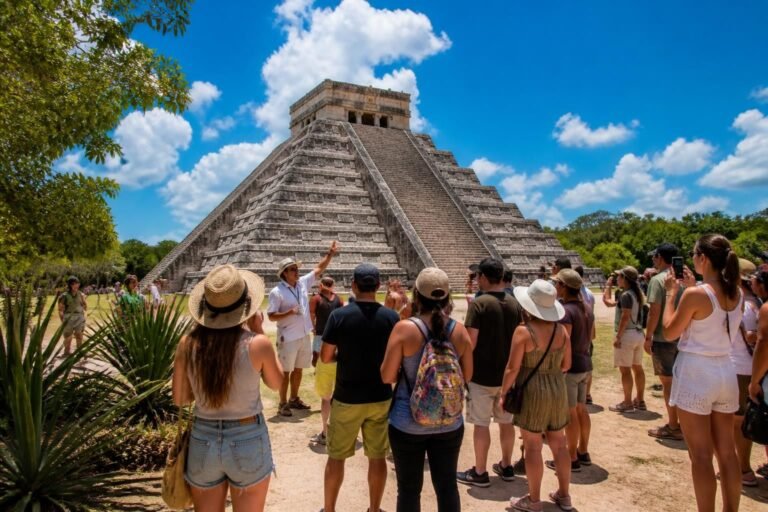
- Early Morning Visits to Chichen Itza: Take advantage of Valladolid’s proximity to this iconic Mayan site and plan an early visit before the arrival of large tour groups. This provides a more serene experience at the pyramids, avoiding the peak crowds common during midday. More details are available in this travel guide on the best time to visit Chichen Itza.
- Exploring Cenotes: A trip to Valladolid is incomplete without swimming in the crystal-clear waters of nearby cenotes. Be sure to include visits to Cenote Suytun and Cenote Zaci. Guided tours or solo visits offer different experiences, but always check for updated swimming guidelines and local environmental protections by consulting resources like this comprehensive swimming guide in Mexican cenotes.
- Walking Tours of the Historic Centre: The best way to absorb Valladolid’s colonial architecture and vibrant street art is on foot. Join local guides who add context to the buildings and introduce hidden gems like Casa de los Venados, a private collection that showcases pre-Hispanic art amid a stunning hacienda.
- Taste the Local Cuisine: Sample Cochinita Pibil, papadzules, and marquesitas at local eateries and market stalls. Opt for off-the-beaten-path locations favored by locals to experience authentic flavors. Don’t miss the lively Mercado Municipal for an immersive food market encounter.
- Use Public Transport and Bike Rentals: Navigate the city efficiently by renting a bicycle or scooter. Valladolid’s manageable size and relatively safe streets make these excellent choices. They also allow visitors to reach outlying cenotes and archaeological sites without hassle.
Visitor safety in Valladolid is generally favorable, with low crime rates making it comfortable for tourists to explore on foot or bike, even during evenings. Nevertheless, standard travel precautions apply, and visitors should stay aware of their possessions and surroundings.
While planning your stay, consider boutique hotels nestled within historical buildings for an immersive colonial atmosphere. The Real Hispano Hotel, housed in a renovated convent near the main square, is highly recommended for comfort combined with heritage ambiance. Other options cater to a variety of budgets, from hostels popular with backpackers to high-end boutique stays.
Essential Visitor Recommendations
| Category | Recommendation | Why It Matters |
|---|---|---|
| Best Time to Visit | November to April (dry season) | Enjoy cooler weather and more comfortable sightseeing |
| Transports | Tren Maya, bicycles, scooters | Accessible and eco-friendly, perfect for exploring |
| Entry Fees | Chichen Itza: Early bird discounts apply | Avoid crowds and higher prices by arriving early |
| Local Events | Traditional Jarana dances in the main square | Cultural immersion and engaging evening entertainment |
| Language Tips | Basic Spanish phrases recommended | Enhances communication and local rapport |
Sightseeing Highlights: Exploring Valladolid’s Historical Sites and Natural Wonders
Valladolid offers a diverse array of sightseeing opportunities, from architectural marvels to natural retreats, making it an ideal base for cultural tourism and adventure. Here’s a detailed overview of must-visit sites and activities, designed to bring the rich heritage and natural beauty of the area to life for visitors.
Chichen Itza: The Majestic Mayan Ruins
No visitor to Valladolid can overlook the proximity to the world-famous Chichen Itza archaeological site. Just 43 kilometers away, this well-preserved city was once a key Mayan hub and is famed for its imposing El Castillo pyramid, recognized as one of the New Seven Wonders of the World. A well-planned early morning visit from Valladolid ensures fewer crowds and a more intimate exploration of the temples, ball courts, and observatories.
Visitors interested in deeper historical context can consult this detailed guide on Chichen Itza’s history, which offers insight into its architectural genius and significance in Maya civilization. Here, the blend of astronomy, religion, and politics is etched into the stone, demanding thoughtful appreciation from all who enter.
Cenotes: Underground Water Marvels
The Yucatán Peninsula is famed for its cenotes, and Valladolid boasts some of the most accessible and spectacular. These naturally formed sinkholes provide refreshing escapes from the heat and a chance to connect with local ecology and mythology. Cenote Suytun, with its iconic platform and photogenic light beams, is a top choice, though others like Cenote San Lorenzo Oxman offer rope swings and serene swimming spots.
These natural formations reveal the karst landscape unique to the region and are sacred to the Maya, who viewed them as portals to the underworld. To swim safely and responsibly, consult swimming guides such as the complete guide to cenote swimming which outlines essential visitor information including seasonal conditions and facility details.
Historic Architecture and Cultural Venues
Stepping into Valladolid’s town center offers encounters with stunning colonial architecture. The Convent of San Bernardino de Siena, nearly 500 years old, invites exploration of its gardens, murals, and bell tower views. At night, the convent features an evocative video mapping show that narrates Mayan history through light and sound.
The Casa de los Venados should not be missed, housing one of Mexico’s largest private collections of pre-Hispanic art within a living hacienda. Here, the marriage of art and history creates an intimate cultural landscape, presenting tourism with an educational and aesthetic experience.
The city’s streets, like the photogenic Calzada de los Frailes, display pastel walls and hidden cafes, perfect for leisurely discovery. Such architectural charm provides a vivid backdrop to the city’s daily life and reflects the ongoing dialogue between past and present.
Day Trips and Surrounding Natural Wonders
Beyond city limits, Valladolid serves as a launching point for excursions to less touristy archaeological sites like Ek Balam, where visitors can climb ancient pyramids in a more secluded environment. Additionally, trips to Rio Lagartos and Las Coloradas offer stunning wildlife viewing, including flamingos, and natural phenomena like the famous pink lakes.
Immerse in Authentic Yucatecan Flavors: Valladolid’s Culinary Landscape
Food forms the heart of cultural expression in Valladolid, with a range of restaurants and street vendors offering traditional Yucatecan dishes that are as rich in flavor as they are in history. Culinary exploration is essential to any visit, with specialties like cochinita pibil – succulent marinated pork slow-cooked in banana leaves – and papadzules, tortillas filled with hard-boiled eggs and topped with pumpkin seed sauce.
Local markets shine as gastronomic hubs where visitors can sample fresh ingredients and homemade recipes. Marquesitas, a popular dessert akin to a crispy rolled crepe filled with sweetened cheese or chocolate, are a must-try. For those interested in dining with a modern twist, restaurants such as Conato Cultural 1910 provide innovative interpretations of traditional Mexican fare in stylish settings.
The appreciation for mezcal and tequila infuses Valladolid’s bar scene, where intimate mezcalerias like Don Trejo offer curated drink selections alongside live music and lively atmospheres. These venues combine social interaction with the pleasure of local craftsmanship, providing a perfect end to a day of exploration.
- Sample traditional dishes including cochinita pibil, papadzules, and marquesitas.
- Visit bustling markets like Mercado Municipal for authentic tastes and interactions.
- Experience mezcal tasting at local bars, an integral part of regional culture.
- Balance traditional eateries with boutique restaurants offering contemporary takes.
Practical Information and Visitor FAQs about Valladolid
Understanding the practicalities of travel facilitates a safer and more enjoyable stay in Valladolid. From weather and transportation to safety considerations, this information aims to prepare visitors for their journey.
| Aspect | Details |
|---|---|
| Population | Approximately 56,000 residents |
| Weather | Warm with average highs above 85°F; cooler nights |
| Language | Spanish is native; English spoken in tourist areas |
| Transportation | Easy access via Tren Maya, buses, car rentals |
| Safety | Low crime rates; safe for tourists walking or biking |
Transportation has been revolutionized by the introduction of the Tren Maya, linking Valladolid conveniently with major hubs like Cancun and Merida. This eco-friendly train provides a scenic and efficient means of travel, encouraging sustainable tourism while enhancing accessibility for visitors across the Yucatán.
Tourists are encouraged to always take standard safety precautions such as watching personal belongings and avoiding unlit areas at night. Overall, Valladolid ranks among the safest towns for visitors within Mexico’s Yucatán region.
What is the best way to get to Valladolid from Cancun?
The most efficient way to travel from Cancun to Valladolid is by taking the new Tren Maya train, which offers direct and comfortable service in about two hours. Alternatively, buses and car rentals are available, with car rental offering more flexibility for exploring surrounding sites.
What are must-see historical sites in Valladolid?
The standout historical attractions include the Convent of San Bernardino de Siena, San Servacio Church, and nearby Mayan ruins such as Chichen Itza and Ek Balam. Additionally, the Casa de los Venados showcases an impressive collection of Mexican pre-Hispanic art.
Are cenotes safe to swim in around Valladolid?
Yes, many cenotes near Valladolid are safe to swim in, with amenities and guides available at popular sites. However, visitors should follow local safety rules and guidance, and consult updated resources like the comprehensive swimming guides to cenotes to ensure a safe and enjoyable experience.
Is Valladolid safe for tourists to explore at night?
Valladolid is considered one of the safer towns in the Yucatán with low crime rates. Tourists can comfortably walk around town in the evenings, but standard travel safety practices should be observed.
Which local dishes should visitors try in Valladolid?
Visitors should sample traditional Yucatecan cuisine such as cochinita pibil, papadzules, and marquesitas. These dishes can be found at local markets and traditional restaurants, giving an authentic taste of the region’s culinary heritage.