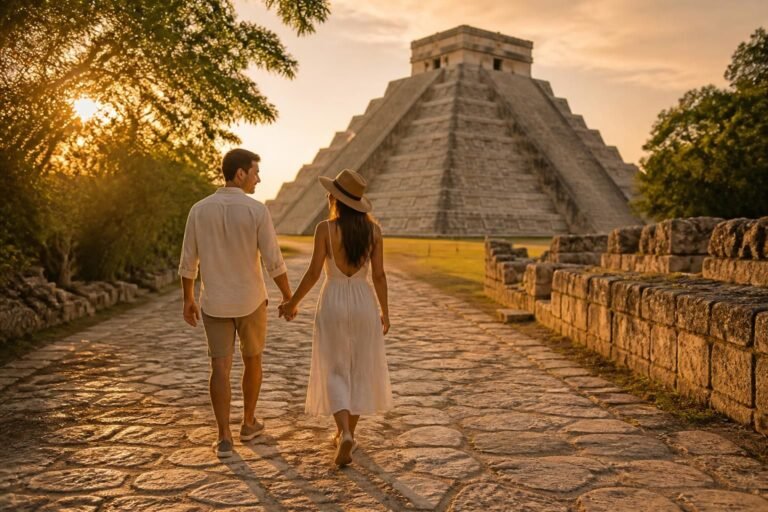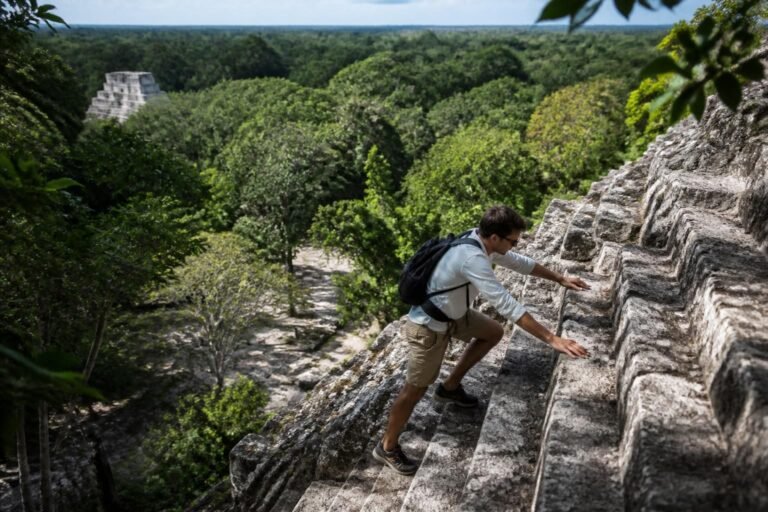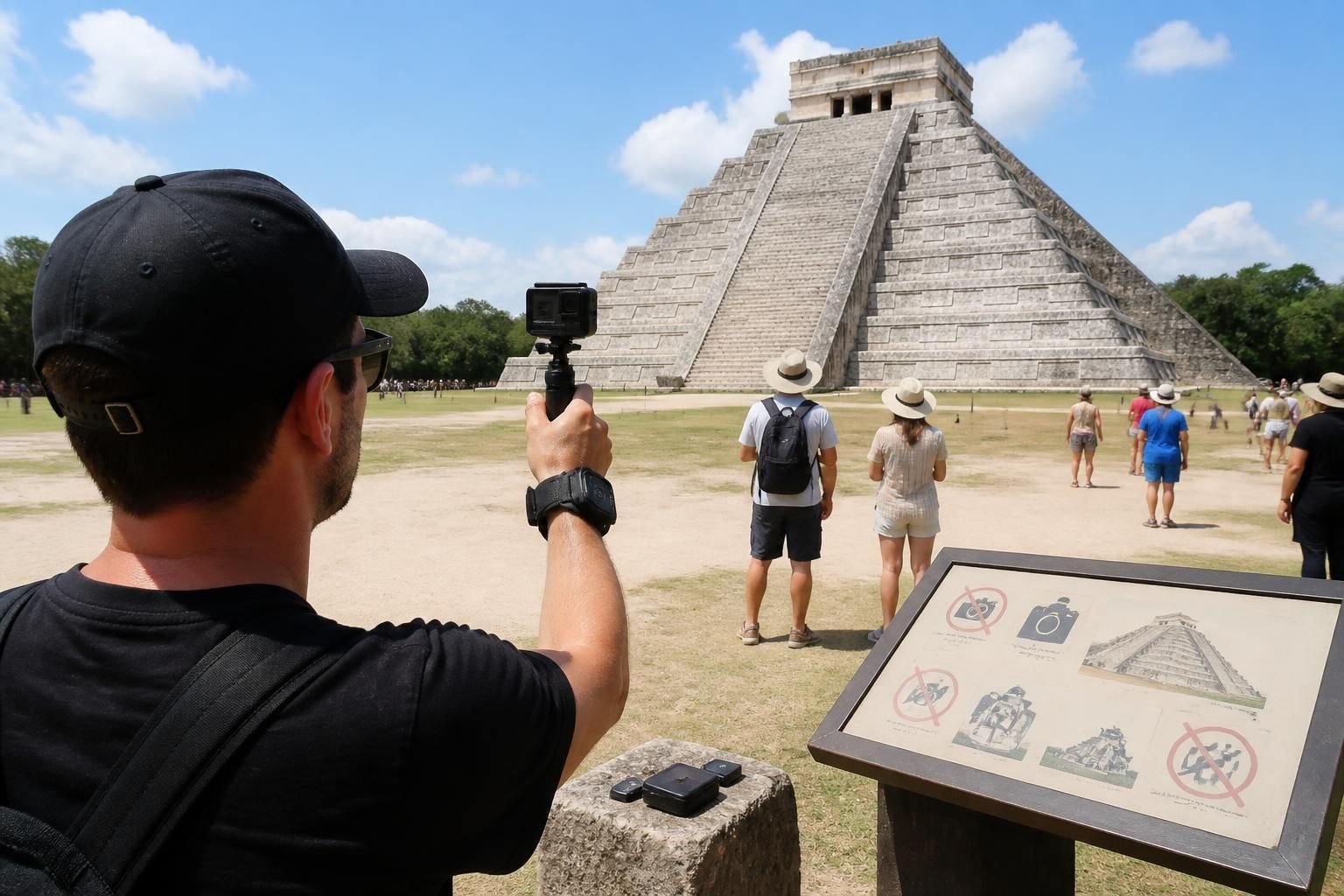

Visiting Chichen Itza in 2026 offers travelers an immersive experience into the rich tapestry of Mayan history and culture, crowned by the iconic Kukulkan Pyramid. As one of the Seven Wonders of the World, this archaeological marvel not only enchants with its architectural brilliance but demands respect for its preservation. Understanding the nuances of entrance fees, camera regulations—especially concerning GoPro and professional equipment—and site rules can significantly enhance a visitor’s experience, ensuring a seamless and respectful journey through these ancient ruins. Knowing the latest developments surrounding fees and photography policies helps avoid unexpected costs and penalties, while strategic tips optimize sightseeing and photography opportunities.
Key Points for Visitors:
- Entrance fees to Chichen Itza consist of two parts, collected by separate government agencies. Visitors must retain both ticket stubs.
- Professional photography equipment, including GoPros, triggers specific fees and permit requirements distinct from handheld phone cameras.
- A 50-foot buffer zone now restricts close access around El Castillo, modifying traditional photo spots.
- Restrictions tighten during special days like equinoxes; certain areas may close without prior notice.
- Small bags are allowed; backpacks and drones are prohibited to protect the integrity of the site.
Comprehensive Breakdown of Chichen Itza Entrance Fees and What They Include in 2026
The pricing structure for entering Chichen Itza is unique due to its administration by dual government entities. Visitors pay two separate fees: one to the National Institute of Anthropology and History (INAH) and the other to the Yucatán state tourism agency (CULTUR). This system supports ongoing restoration and conservation projects crucial for the site’s longevity.
For foreigners, the combined ticket fee amounts to approximately 573 Mexican pesos, while Mexican nationals and residents enjoy discounted rates. Children under 13 years, seniors above 60, and residents of nearby communities also benefit from reduced prices or free access depending on specific conditions.
Upon payment, tourists receive two distinct ticket stubs, each representing the split fee. It is vital to retain both, as site inspectors commonly request to see them during random checks. Losing either could lead to difficulties in proving legitimate entry or result in additional charges.
Buying tickets ahead via authorized platforms or tours is advisable to avoid long queues, especially during peak seasons or special events. For those interested in detailed ticketing info or tour packages departing from nearby hubs, in-depth guides are available such as the comprehensive tour guide from Playa del Carmen.
| Visitor Category | INAH Fee (MXN) | CULTUR Fee (MXN) | Total Admission Fee (MXN) |
|---|---|---|---|
| International Adult | 481 | 92 | 573 |
| Mexican Adult | 237 | 46 | 283 |
| Children under 13 years | Free | Free | Free |
| Senior citizens (60+) | Reduced | Reduced | Varies |
This transparent breakdown allows travelers to plan their budget accordingly. Awareness of the dual-fee system prevents surprises and ensures smooth entry at the site boundaries.
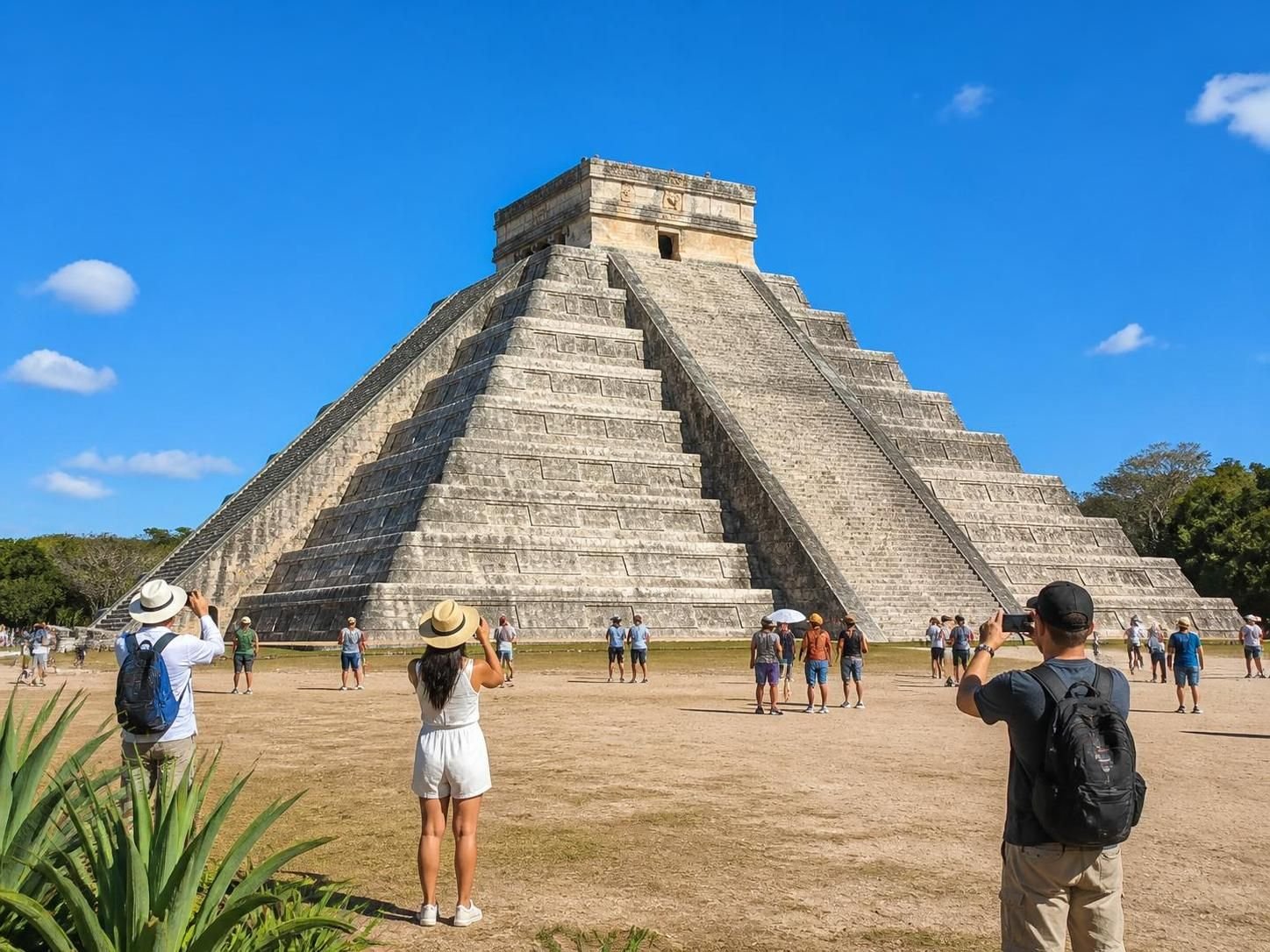
Understanding GoPro and Professional Camera Fees at Chichen Itza: Rules and Regulations
Visitors aiming to capture Chichen Itza’s majestic structures should be aware that photography rules differentiate between casual snapshots and professional or semi-professional equipment. While handheld cameras and smartphones are welcome, using devices such as GoPro cameras usually falls under stricter scrutiny due to their versatile recording capabilities and perceived as professional gear.
The 2026 regulations impose a mandatory camera fee for the use of professional or professional-style equipment, including GoPros. These fees are enforced to help fund preservation efforts and manage the impact of increased visitor photography on the ruins.
Permits can be obtained on-site or prior to arrival, but those who attempt to use GoPros or tripods without the appropriate fees risk confiscation of equipment or fines. Even selfie sticks used as monopods can require permits. Visitors should therefore weigh the benefits of high-quality footage against these extra expenses.
It is recommended to carry lightweight handheld cameras for general photography. For those passionate about videography, scheduling a specialized shoot with the relevant permits in advance via authorized tour operators is a practical tip to circumvent restrictions and elevate content quality responsibly.
Given the complexity of these policies, check the latest official updates or detailed visitor guides such as the current entrance and camera fee details before your visit. This preparation ensures compliance and prevents unexpected interruptions during the tour.
Visitor Tips for Navigating Photography Rules and Enhancing the Chichen Itza Experience
Adhering to site regulations not only preserves Chichen Itza’s grandeur but also paves the way for a memorable visit. Here are some strategic tips aimed at maximizing photographic opportunities and avoiding common pitfalls:
- Arrive early: Mornings generally see smaller crowds and softer light, ideal for photos without interference.
- Use handheld devices: Smartphones or compact cameras simplify compliance with camera fees while enabling quick creativity.
- Respect the 50-foot buffer: New roped zones limit proximity to El Castillo, so plan compositions with wider angles or zoom lenses that respect boundaries.
- Bring minimal bags: Only small purses or shoulder bags are allowed inside the main site; lockers outside safeguard bulkier items.
- Stay hydrated and guarded: The Yucatán sun is intense; hats, sunscreen, and water are essentials for stamina on the uneven terrain.
Following these tips fosters a stress-free day at the ruins and optimizes the quality of photos and videos taken within the constraints of the rules. Travelers seeking a thorough day plan or weather-based timing suggestions should consult advice on the best times to visit Chichen Itza.
Important Site Regulations: Protecting the Mayan Ruins and Ensuring Visitor Safety
In 2026, several longstanding rules remain essential for safeguarding Chichen Itza’s ancient structures and enhancing visitor well-being. Several key regulations stand out:
- No climbing on structures: Strictly enforced since 2008; climbing El Castillo or any structure results in fines up to $16,000 USD and removal by the National Guard.
- Drones are prohibited: Unauthorized aerial devices are confiscated due to potential damage and disruption.
- No large backpacks or alcohol: Only small bags are allowed; lockers are provided for larger items. Alcohol consumption is forbidden.
- Keep both ticket stubs: Present both INT and CULTUR tickets when requested.
- Restricted access during Equinox: High traffic days can bring unexpected closures, such as the temporary shutdown of key site sections and nearby museums.
Compliance with these rules preserves the site’s sanctity and assures a respectful atmosphere for everyone. For an extended understanding of the cultural and architectural wealth of the ruins, resources like detailed historical analyses of Chichen Itza offer compelling insights that enrich any visit.
Planning Ahead: Practical Advice for Visitors to Make the Most of Their Chichen Itza Trip
Strategic preparation can transform a visit from overwhelming to awe-inspiring. Here are essential travel advices to keep in mind:
- Purchase tickets or tour packages in advance to avoid long wait times. Online options are secure and reliable.
- Wear comfortable, closed-toe footwear suitable for uneven stone paths to prevent injuries and fatigue.
- Carry essentials like refillable water bottles, sunscreen, hats, and sunglasses to combat the tropical climate effectively.
- Choose visiting times outside peak hours or seasons if aiming to avoid crowds and have a more intimate experience.
- Understand and respect site regulations thoroughly to avoid fines and difficulties, especially regarding photography and permitted items.
Implementing these recommendations will allow visitors to explore with confidence and mindfulness, thereby preserving this remarkable heritage for future generations. For more tailored advice, the top tips on crowd management and visit timing are invaluable resources for savvy travelers.
Are GoPro cameras allowed at Chichen Itza without extra fees?
Using GoPro and other professional-grade cameras typically requires a permit and additional camera fees. Handheld smartphones and casual cameras are exempt from these fees.
What should I do if I lose one of my entrance ticket stubs?
Visitors must keep both ticket stubs representing federal and state fees. Losing one can lead to complications or additional fees, so it is advisable to store them safely during the visit.
Can I bring drones or large backpacks inside the archaeological site?
No drones are allowed without special permits, and large backpacks are prohibited. Only small bags are permitted, with lockers provided for storage.
Is it possible to climb the Kukulkan Pyramid at Chichen Itza?
Climbing the pyramid has been banned since 2008 to protect the structure. Violating this rule results in fines and removal from the site.
Are there restrictions during popular event days such as the Equinox at Chichen Itza?
Yes, certain areas may close, and access might be limited during peak event days like the Spring Equinox. Visitors should prepare for these scenarios by checking official notices ahead of time.