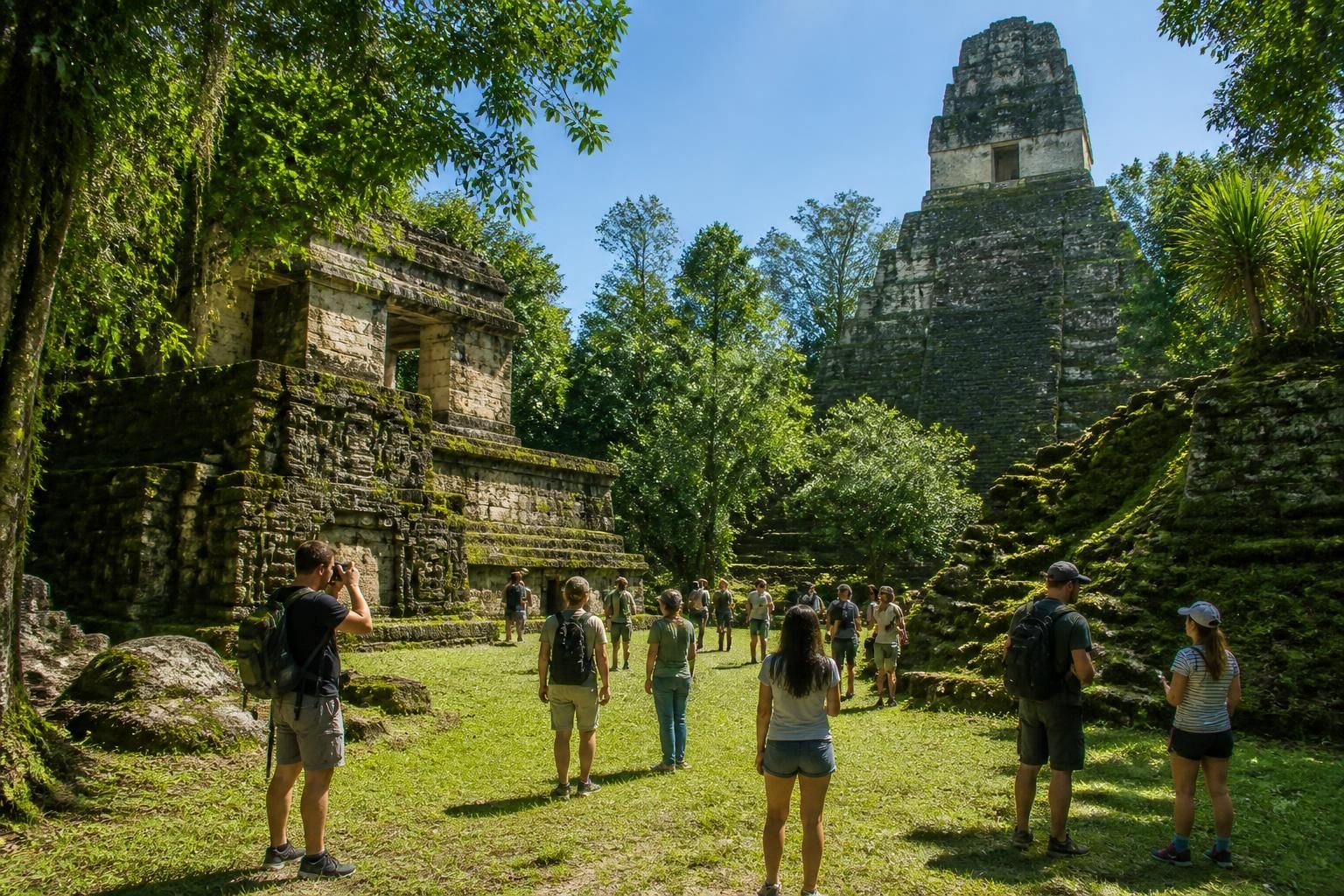

Exploring the Mayan ruins on a Yucatan Peninsula tour offers a captivating voyage into the heart of one of history’s most remarkable ancient civilizations. The peninsula, a treasure trove of archaeological wonders, invites travelers to immerse themselves in a landscape dotted with ancient temples, vast plazas, and intricate stone carvings that tell stories of a sophisticated culture that flourished centuries ago. From the iconic pyramid of Chichen Itza, one of the New Seven Wonders of the World, to lesser-known but equally enchanting sites such as Ek Balam and Uxmal, the Yucatan Peninsula presents a diverse array of historical sites that blend mystery, culture, and architectural brilliance. The region’s vibrant cultural heritage and its importance in understanding Mayan civilization make it an essential destination for any archaeology enthusiast or cultural explorer.
Every turn on a Yucatan tour reveals layers of history embedded in monumental stonework and sacred spaces. These ruins are not just remnants; they are vivid testimonies of Mayan ingenuity in astronomy, urban planning, and religion. Visitors are often struck by the way the ancient temples were constructed in harmony with the environment, reflecting a profound respect for nature and celestial cycles. The accessibility of these ruins has improved significantly, with thoughtful tour options allowing visitors to appreciate the sites in comfort while delving into their stories with guided insights or interactive self-guided audio tours. Accompanied by the natural beauty of the peninsula’s lush jungles and breathtaking coastlines, the experience becomes a journey through time and terrain.
For those planning a 2026 adventure, choosing the right itinerary and timing can enhance the overall experience, especially in avoiding the peak crowds at popular sites like Chichen Itza. Accommodations in nearby towns such as Valladolid, Merida, and Tulum offer charming bases to explore the ruins and dive deeper into local traditions. Combining visits to the major ruins with opportunities to engage with Mayan culture—through cuisine, crafts, and festivals—enriches the journey even further. Ultimately, a tour of the Mayan ruins on the Yucatan Peninsula is not only an archaeological exploration but also a cultural immersion that highlights the enduring legacy of the Mayan people in Mexico’s historical tapestry.
Key points to consider when taking a Yucatan Peninsula Mayan ruins travel tour:
- Variety of ruins: From large, famous sites like Chichen Itza to more secluded ruins such as Ek Balam and Uxmal.
- Entrance and planning: Knowledge of entrance fees, opening hours, and tour options will help optimize your visit.
- Local bases: Staying in gateway cities like Valladolid or Merida enhances accessibility and cultural experiences.
- Tour formats: Self-guided tours, guided group tours, or private guides depending on interest and budget.
- Timing and crowds: Early visits and off-peak seasons can enrich the experience by reducing crowds and heat exposure.
Top Mayan Ruins to Discover on the Yucatan Peninsula and Their Archaeological Significance
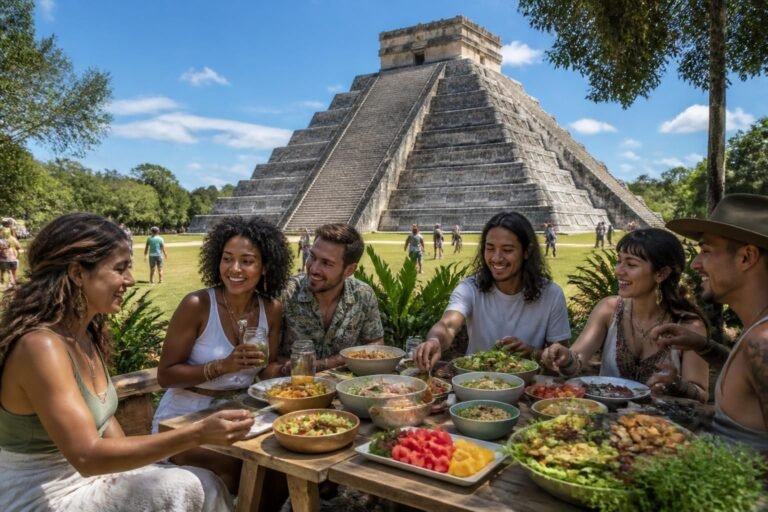
The Yucatan Peninsula is abundant with ancient temples and cities, each representing unique facets of Mayan civilization, artistry, and urban development. Among these ruins, Chichen Itza stands out not only for its size but also for its historical and cultural impact. This site embodies the pinnacle of Mayan architecture and astronomy, featuring the famous pyramid known as El Castillo or the Temple of Kukulkan, which functioned as a calendar demonstrating the sophisticated understanding the Mayans had of solar and lunar cycles. The perfectly aligned structure showcases how the Mayans used light and shadow to mark equinoxes, a marvel of ancient engineering.
Chichen Itza’s sprawling plaza, large ball court, and the observatory structure known as El Caracol enrich visitors’ insights into Mayan daily life, spirituality, and scientific knowledge. The ruins’ layout, featuring interconnected plazas and water-filled cenotes, hints at the city’s social and economic structure that could support a population estimated at over 35,000 inhabitants at its height.
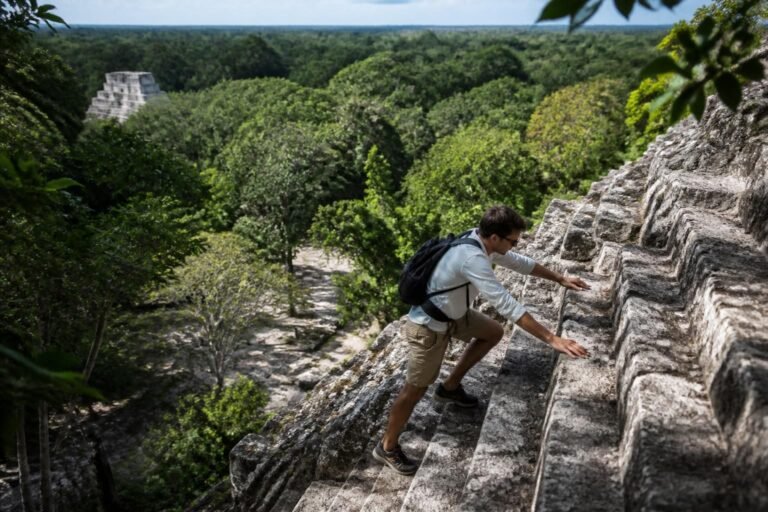
Less crowded but equally impressive is Ek Balam, situated near Valladolid. Its towering Acropolis is adorned with remarkable stucco facades and the distinctive monster mouth entrance, revealing the artistic richness of the site. The ability to climb the structures offers breathtaking views over the surrounding jungle, highlighting the Mayans’ relationship with their environment. Explorers often appreciate Ek Balam’s peaceful atmosphere, enabling deeper reflection on the civilization’s legacy without the bustle of larger sites.
Other major sites, including Uxmal with its Puuc architectural style characterized by elaborate stone mosaics and Coba, known for its towering Nohoch Mul pyramid that invites visitors to climb above the dense foliage, provide varied experiences of Mayan archaeology and ingenuity. Each site presents distinct carvings, layouts, and stories embedded in their stone walls, offering an indispensable look at the ancient Mayan world that thrived in what is now Mexico.
Understanding the Cultural Heritage Embedded in Ancient Temples
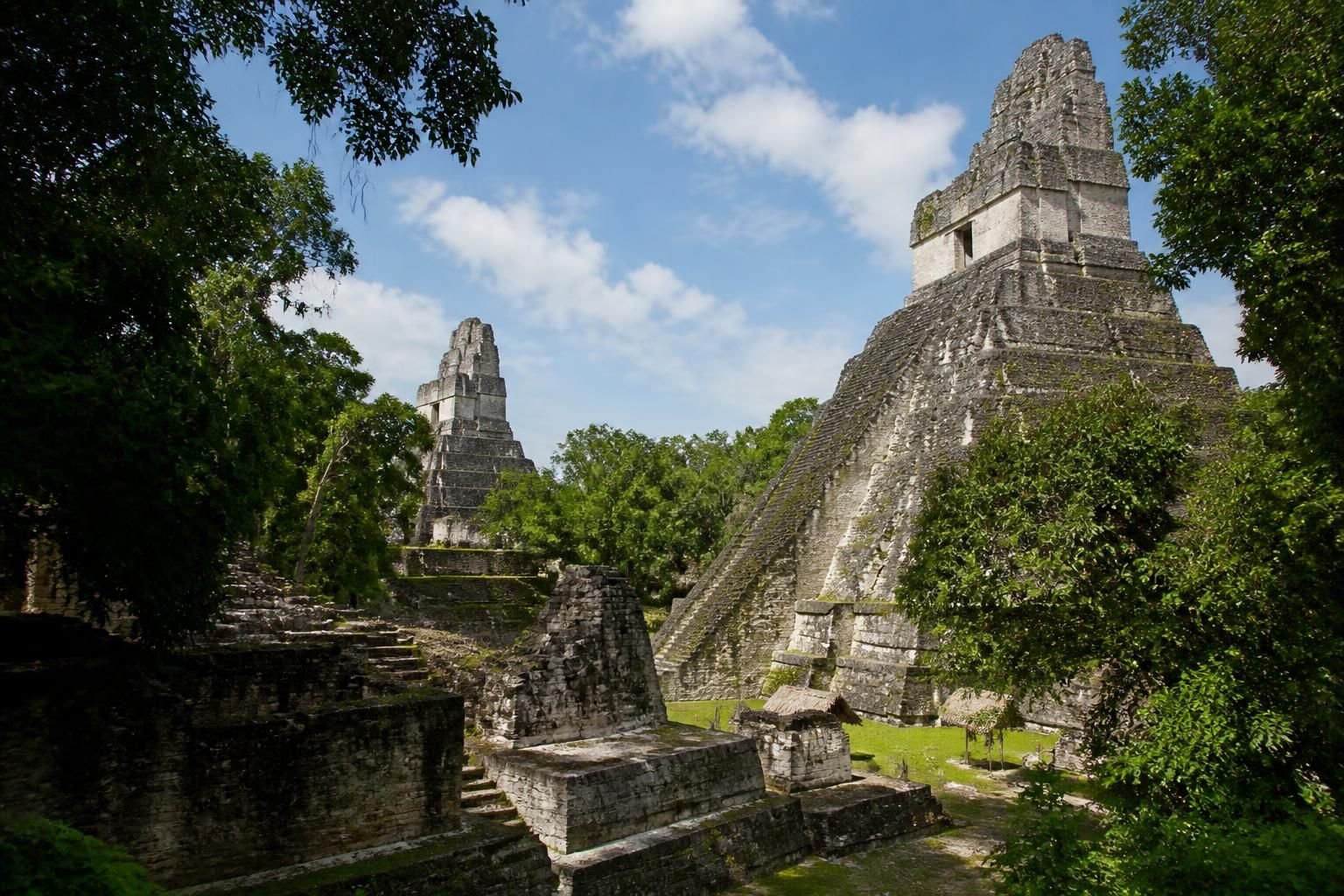
The Mayan ruins on the Yucatan Peninsula represent more than just architectural feats; they are monuments to a civilization with a rich cultural heritage. The temples and plazas were central to political, religious, and social life. Structures like the Temple of the Warriors in Chichen Itza illustrate the militaristic and ceremonial aspects of Mayan culture, decorated with carved pillars resembling Toltec warriors and the Chaac Mool sculptures associated with sacrificial rituals.
The alignment of temples and pyramids with celestial events underscores how deeply astronomy was woven into the Mayan worldview, guiding agricultural cycles and spiritual ceremonies. At Dzibilchaltun, for example, the Temple of the Seven Dolls creates a captivating astronomical spectacle twice a year during equinoxes, when sunlight perfectly penetrates the temple’s doorways.
Visitors often find that exploring these historical sites offers insights into the Mayan cosmology, beliefs about life and death, and the society’s intricate governance system. By walking through ruins such as Uxmal and Ruta Puuc, travelers witness the evolution of architectural styles and symbolism across Mayan history and region. This cultural context enriches the experience far beyond the physical stones themselves.
Practical Tips for an Enriching Mayan Ruins Travel Tour in the Yucatan Peninsula
Planning a visit to the Mayan ruins requires more than just enthusiasm; understanding the practicalities ensures a rewarding and comfortable exploration. Most ruins, including Chichen Itza, require payment of entrance and administrative fees, which vary for tourists, Mexican residents, and Yucatan locals. It’s essential to carry identification and some cash as not all sites accept cards. Opening hours generally span from early morning to late afternoon, with many sites opening at 8:00 AM and closing by 5:00 PM, making early arrivals advisable to avoid crowds and midday heat.
Visitors should prioritize sun protection, mosquito repellents, comfortable walking attire, and plenty of water, as tours often involve considerable walking under tropical sun and in jungle environments. Additionally, photography regulations at many sites require permits for professional cameras, usually incurring a small fee. Navigating to the ruins is easiest when based in strategic towns such as Valladolid, Merida, or Tulum, which also offer a variety of local gastronomy and cultural activities.
For those interested in deeper understanding, guided tours or self-guided audio tours provide valuable historical context and make the visit more engaging. Apps like the SmartGuide offer audio tours that track your GPS location and narrate the stories behind the ruins, blending technology with exploration. Alternatively, professional guides on-site offer rich narratives involving mythology, architecture, and history but compare prices carefully.
How to Enhance Your Experience
- Start early to enjoy the sites before large groups arrive and to beat the midday heat.
- Combine visits to nearby ruins, such as Chichen Itza and Ek Balam, for fuller contextual understanding.
- Stay in culturally vibrant towns like Valladolid or Merida to enrich your immersion with local experiences.
- Consider the physical demands of climbing pyramids; bring sturdy footwear and take breaks as needed.
- Stay hydrated and protect against sunburn and insect bites.
Check out this detailed complete travel guide to Chichen Itza for essential advice on making the most of your visit.
Top Accommodations and Local Experiences to Complement Your Mayan Ruins Exploration
The cities surrounding the Yucatan Peninsula’s archaeological sites provide ideal launching points for tours. Valladolid, located just 53 km from Chichen Itza and 27 km from Ek Balam, is notable for its colonial charm, vibrant markets, and cenotes. It offers budget-friendly hotels with easy access to major ruins and authentic Mexican food, contributing to a genuine cultural encounter outside the ruins themselves.
Merida, a larger urban center about an hour from Uxmal and Ruta Puuc, blends Mayan and colonial heritage. Visitors can enjoy its museums, plazas, and local festivals while using it as a base for day trips to ruins. The city is also a hub for cultural heritage exhibitions and authentic Yucatecan cuisine, enhancing the educational aspect of a historical tour.
Tulum, known for its beachside ruins, merges natural beauty with archaeology. Staying in Tulum provides the unique opportunity to walk or bike directly to the ruins set against the turquoise waters of the Caribbean. Its bohemian atmosphere attracts visitors eager to blend relaxation with cultural exploration. Tulum also offers various cenote visits and Sian Ka’an Biosphere Reserve excursions that complement a history-centric itinerary.
When selecting accommodations, consider proximity to ruins, amenities, and local culture. Many travelers opt for small boutique hotels or family-run guesthouses to experience hospitality personal and intimate, further enriching their connection to the region.
| City | Distance to Major Ruins | Key Attractions | Recommended Stay Duration |
|---|---|---|---|
| Valladolid | 53 km to Chichen Itza; 27 km to Ek Balam | Colonial architecture, cenotes, local markets | 2-3 days |
| Merida | 80-90 km to Uxmal & Ruta Puuc | Mayan World Museum, colonial plazas, cultural events | 3-4 days |
| Tulum | On-site Mayan ruins, 47 km to Coba | Beach, Sian Ka’an Biosphere, cenotes | 3-5 days |
For further details on Mayan sites in the Riviera Maya, explore this comprehensive 2026 guide to the best Mayan ruins in the Riviera Maya.
Engaging Excursions and Cultural Activities Around the Mayan Ruins
Exploring the ancient Mayan ruins is often paired with other outdoor and cultural activities to deepen the appreciation of the Yucatan Peninsula’s heritage. Visitors can participate in cenote swimming, a refreshing dip in natural sinkholes that have spiritual and practical significance to the ancient Maya. The nearby biosphere reserves offer guided nature walks that highlight the region’s flora and fauna, aligning ecological wonder with archaeological exploration.
Local workshops teach traditional crafts like pottery or textile weaving, allowing travelers to connect with Mayan culture through hands-on experiences. Festivals celebrating indigenous history and traditions also provide vibrant and insightful introductions to the living descendants of the Mayan people. Markets brimming with handmade goods offer souvenirs that support the local communities and preserve cultural legacies.
These excursions, combined with visits to archaeological sites, create a holistic travel experience where history, nature, and culture intersect dramatically. Travelers seeking an immersive adventure will find that these layered activities offer meaning and memory beyond the ruins themselves.
An insightful resource for enriching your trip can be found by reading more about the background and legacy of the Mayan civilization here: Mayan civilization and its legacy.
Are guided tours necessary to visit the Mayan ruins?
Guided tours are not mandatory but highly recommended for a richer understanding. Self-guided audio tours are also excellent for independent explorers.
What is the best time of day to visit Chichen Itza to avoid crowds?
Arriving early at the opening time around 8:00 AM helps visitors avoid large crowds and enjoy cooler temperatures.
Are the Mayan ruins accessible for families and children?
Many Mayan ruins are family-friendly and offer accessible paths. However, climbing some pyramids like Nohoch Mul at Coba may be challenging for young children.
Can I visit multiple Mayan ruins in a single day?
It is possible to visit multiple ruins close to each other, like Chichen Itza and Ek Balam, or Tulum and Coba, especially with efficient transportation planning.
Are there any local accommodations near the major archaeological sites?
Yes, towns such as Valladolid, Merida, and Tulum provide a range of accommodation options that suit varied preferences and budgets.