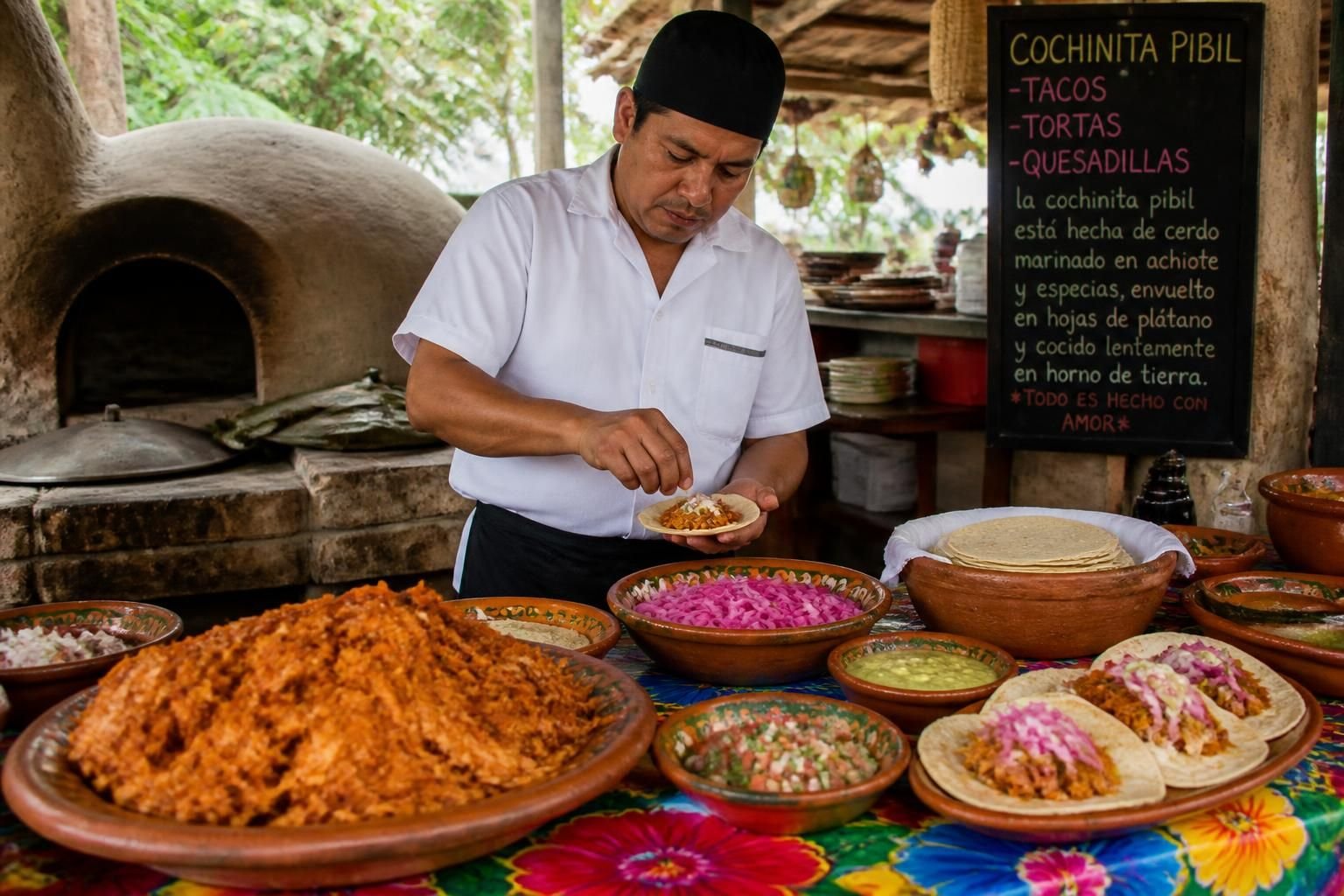

Discovering the essence of authentic cochinita pibil offers a sumptuous journey into the heart of Yucatan’s gastronomic heritage. This traditional Mexican dish, celebrated for its rich flavors and unique preparation, is deeply rooted in the region’s cultural and culinary identity. Combining slow-cooked pork marinated meticulously in achiote paste and citrus juice, then wrapped in banana leaves and roasted underground in a pit-barbecue, cochinita pibil emerges as a sensory experience that transcends ordinary dining. Travelers visiting or residing near Yucatan often seek out the best spots to indulge in this iconic delicacy, eager to savor its tender texture and the harmony of regional flavors that have been perfected through centuries. Whether enjoyed with pickled red onions, corn tortillas, or as part of vibrant local meals, this dish offers a mouthwatering glimpse into Mexican cuisine’s depth and tradition.
Briefly:
- Cochinita pibil is a slow-cooked, achiote-marinated pork delicacy intrinsic to Yucatan’s culinary culture.
- Authentic preparation involves wrapping pork in banana leaves and roasting it in an underground pit, a technique known as pit-barbecue.
- Regional flavors like citrus juice and annatto seeds give the dish its distinctive color and taste.
- Top authentic experiences are found throughout Yucatan, including restaurants offering traditional recipes and street food vendors.
- Explorers should consider local eateries in Playa del Carmen and Merida, where culinary authenticity is preserved with respect to age-old practices.
Exploring the Roots of Authentic Cochinita Pibil in Yucatan’s Culinary Landscape
The authentic cochinita pibil reflects Yucatan’s historical and cultural identity, offering more than a dish—it’s a connection to the ancestral Mayan traditions. This Mexican cuisine staple stands out for its elaborate slow-cooking process, utilizing ingredients locally sourced to maintain the dish’s genuine character. Central to its preparation is the use of achiote paste, derived from the ground seeds of the annatto plant, imparting a vibrant reddish hue and a subtle earthy flavor that defines cochinita pibil’s uniqueness.
Traditionally, the pork is marinated in a mixture of citrus juices (often bitter orange), achiote paste, oregano, cumin, and other Mexican spices that infuse deep flavors. The use of banana leaves to wrap the marinated meat ensures that moisture is retained during cooking, resulting in tender, fall-apart pork. The defining method involves roasting in a subterranean oven, known as the pibil, where a pit is dug and heated with charcoal or wood before placing the meat inside and covering it, creating a slow-roasted effect that melds the flavors perfectly.
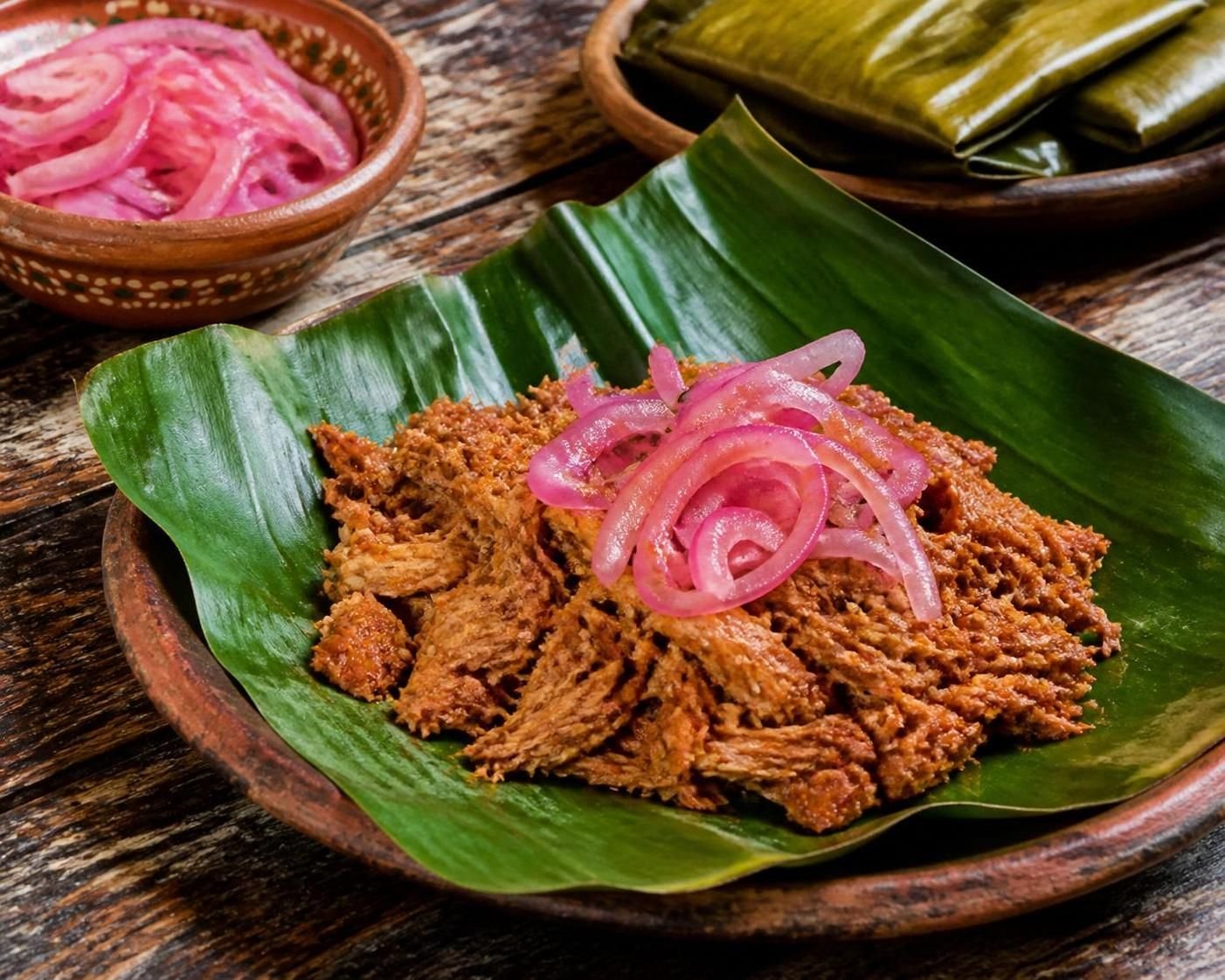
The interplay of regional flavors ensures each bite of cochinita pibil embodies centuries of culinary tradition. The pickled red onions served alongside a plate offer a sharp, tangy contrast that beautifully complements the rich meat. This dish is often enjoyed with handmade corn tortillas and accompanied by Mexican rice or beans, creating a balanced meal that captures the authentic essence of Yucatan.
For anyone delving into local cuisine, this guide to traditional Yucatecan food provides a comprehensive look at the region’s flavors, ensuring a richer understanding of not only cochinita pibil but other classics that share its heritage.
Where to Experience the Most Authentic Cochinita Pibil in Yucatan and Surrounding Areas
Finding the most authentic cochinita pibil requires more than just visiting any Mexican restaurant; it demands an experience steeped in regional authenticity and culinary tradition. The Yucatan Peninsula remains the gold standard for this pursuit, with numerous establishments and traditional street vendors championing the traditional recipe precisely as it has been for generations.
In cities such as Merida, the capital of Yucatan, local eateries and markets proudly serve cochinita pibil that sticks closely to the slow-cooked pork marinated with achiote and citrus and wrapped in banana leaves. These places often use a pit-barbecue technique that delivers the unmistakable smoky flavor and tender texture that aficionados seek. Dining here, visitors find a range of accompaniments—from the classic pickled habanero onions to fresh corn tortillas handmade daily.
Moving towards popular tourist locales like Playa del Carmen, a bustling hub for food lovers, one can discover both traditional and innovative takes on cochinita pibil. Some renowned local restaurants highlight the balance between authenticity and culinary creativity, serving cochinita pibil in tacos, tortas, or platters accompanied by vibrant salsas and sides like Mexican guacamole or cheesy jalapeño dishes. For a thorough taste journey, resources such as the best restaurants to try in Playa del Carmen include venues that deliver genuinely authentic experiences without compromising the traditional cooking methods.
The charm of cochinita pibil is equally alive in smaller towns and marketplaces, where the dish retains its humble origins but shines with pure flavors. Street food vendors preserve the essence of authentic Mexican cuisine, offering cochinita pibil served on warm tortillas with pickled onions and a side of beans or rice. This accessibility is part of the dish’s enduring appeal and makes it an unmissable highlight for visitors eager to explore regional flavors.
The Culinary Techniques and Ingredients That Define Traditional Cochinita Pibil
The hallmark of authentic cochinita pibil lies in the meticulous preparation and the use of hallmark ingredients that reflect centuries-old culinary wisdom. The journey begins with selecting cuts of pork rich in connective tissue, such as the shoulder, essential for achieving the tender, pull-apart texture that characterizes this dish after long hours of slow cooking.
At the heart of its distinctiveness is the achiote paste, a combination of annatto seeds, garlic, cloves, cumin, and other spices ground into a vibrant pigment. This paste, when combined with the acidity from bitter orange juice and sometimes vinegar, creates a marinade that tenderizes the pork while imbuing it with the signature color and flavor.
The use of banana leaves is crucial. They act like a natural roasting pouch that traps moisture and flavors during the slow roasting process. The leaves also impart a subtle herbal aroma, enhancing the sensory layers of the dish. The traditional underground pit, or pibil, involves placing the wrapped and marinated meat below the surface, covering it with hot stones and earth to create a sealed, smoky environment where the meat cooks slowly for several hours.
While home cooks and chefs alike may use alternative ovens or slow cookers nowadays, the guiding principle remains the same: slow cooking is essential to develop the complex, tender texture and the deeply infused regional flavors. This method sets cochinita pibil apart from fast-cooked pork dishes and is key to understanding its culinary prestige.
| Essential Ingredient | Purpose in Cochinita Pibil | Typical Source/Origin |
|---|---|---|
| Achote Paste (Annatto Seeds) | Provides color, earthiness, and base flavor for marinade | Yucatan region, Mexico |
| Bitter Orange Juice | Tenderizes meat and adds citrus tang | Locally squeezed from Yucatecan bitter oranges |
| Banana Leaves | Wraps the pork to retain moisture and infuse aroma | Available throughout tropical regions of Mexico |
| Pit Barbecue (Pibil) | Traditional cooking method that ensures slow, smoky roast | Historical Mayan technique used in Yucatan |
Pairings and Local Variations Enhancing the Cochinita Pibil Experience
Cochinita pibil’s allure extends beyond the pork itself, blossoming in the various traditional pairings and regional variants that enrich its flavor profile. A signature accompaniment is the tangy pickled red onions, which provide a sharp contrast to the meat’s richness and cleanse the palate. These onions are typically marinated in vinegar, spices, and habanero peppers, adding a slight heat balanced by acidity that melds perfectly with the slow-cooked pork.
The meal often includes freshly made corn tortillas, chosen over flour options to maintain authenticity and complement the dish’s textures and flavors. Restaurants and street vendors add their own flair to cochinita pibil presentations by incorporating local elements such as avocado slices, beans, or spicy salsas, ensuring the dish adapts vibrantly across different settings.
In modern culinary hubs like Playa del Carmen, cochinita pibil finds itself integrated into creative dishes such as tacos stuffed with cheese and jalapeños or combined with other Mexican delights like grilled steak and chicken nachos topped with cheese sauce and fresh cilantro. These imaginative variations invite new experiences while honoring the core traditional recipe.
For those curious about exploring Mexican street food more broadly, guides such as the Mexican street food essentials provide excellent insights into how cochinita pibil fits into the vibrant, diverse culinary landscape of Yucatan.
- Pickled red onions for acidic balance
- Handmade corn tortillas serving as a foundational base
- Accompanying sides like rice, beans, or fresh guacamole
- Regional salsas ranging from mild to spicy
- Modern interpretations mixing cochinita with cheese or other meats
Tips for Travelers: How and When to Taste Authentic Cochinita Pibil on Your Trip
Travelers planning to savor authentic cochinita pibil should consider timing and location carefully. The best experiences often occur in the morning or early afternoon when local markets and traditional eateries serve freshly prepared dishes. Many local families and street vendors take pride in maintaining the traditional methods, especially during festivals or special occasions related to Mayan heritage.
Visiting Yucatan between November and April is favorable for those who want to combine cultural tours, including exploring the wonders of Chichen Itza, with a robust culinary itinerary. This season aligns well with the tourism calendar, offering pleasant weather and vibrant outdoor food markets.
Accommodations nearby, including those in Merida and Playa del Carmen, provide convenient access to top cochinita pibil venues alongside guided culinary tours. These tours offer travelers the advantage of experiencing not only the food but also the contextual history and cultural narratives that elevate the dining experience.
Specialized travel guides and blog posts, such as the affordable dining options in Playa del Carmen, present invaluable resources for discovering authentic, budget-friendly cochinita pibil spots and related Mexican cuisine offerings.
Embracing local dining etiquettes—asking for fresh tortillas, enjoying cochinita pibil with regional beverages, and engaging with vendors about their time-honored cooking techniques—will enrich the overall experience, making the dish a memorable highlight of any Yucatan visit.
What is the key marinade ingredient in authentic cochinita pibil?
The key marinade ingredient is achiote paste, which provides the distinctive red color and earthy flavor essential to cochinita pibil.
Why are banana leaves important in preparing cochinita pibil?
Banana leaves help retain moisture, infuse a subtle aroma, and ensure slow-cooked pork remains tender and juicy during the pit-barbecue process.
Where is the best place to taste authentic cochinita pibil?
The Yucatan Peninsula, especially cities like Merida and local towns near Chichen Itza, offers the most authentic cochinita pibil experiences, both in restaurants and street markets.
What are common side dishes served with cochinita pibil?
Typical accompaniments include pickled red onions, handmade corn tortillas, Mexican rice, beans, and sometimes fresh guacamole or spicy salsas.
Can cochinita pibil be found outside of Mexico?
While some Mexican restaurants abroad serve cochinita pibil, the most genuine versions are best experienced in Yucatan due to traditional cooking methods and authentic ingredients.